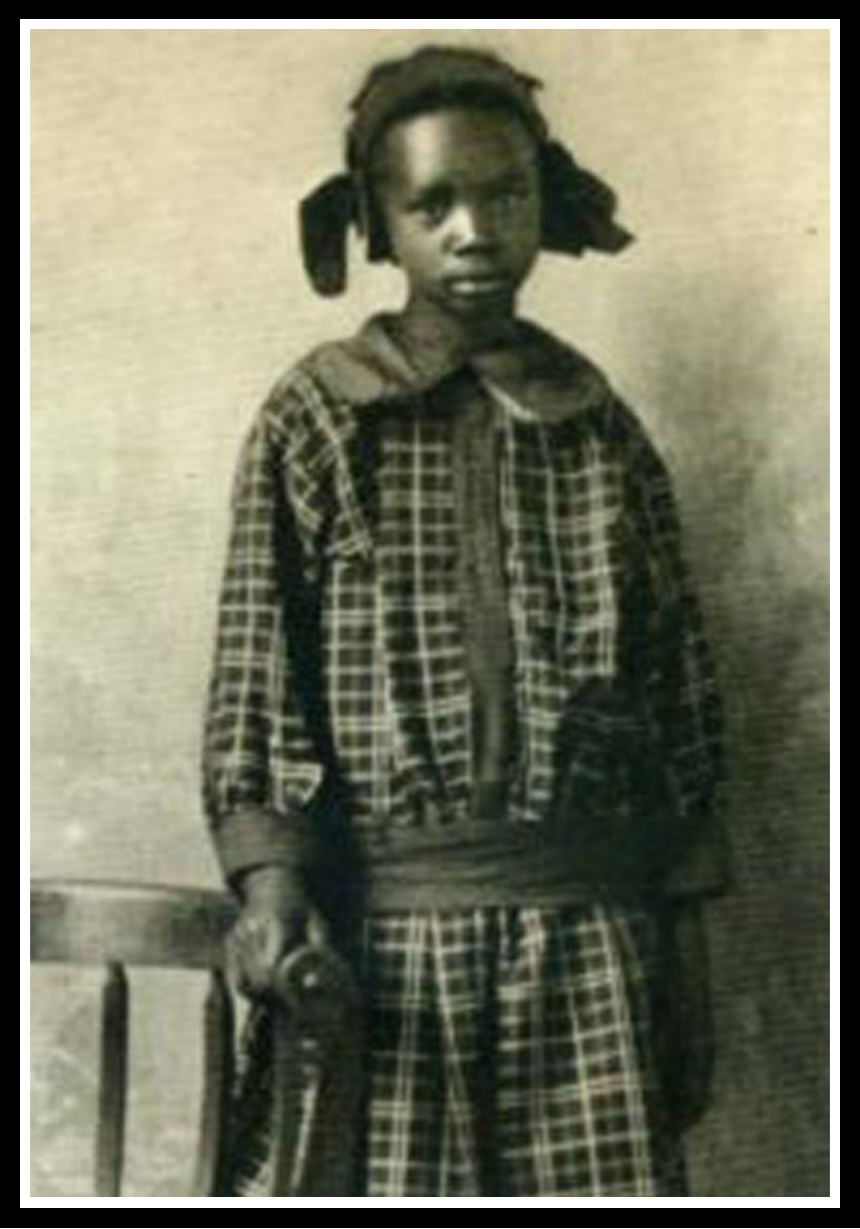
The image used most often of a young Sarah, but is it? Some members of her family don’t believe it is. Maybe Sarah, circa 1912, public domain
Once upon a time, an eleven-year-old girl named Sarah Rector struck it rich with a discovery that was perfectly timed for the rise of the automobile and the expansion of American manufacturing. After hitting the jackpot, she had to escape the minefields of greed, racism, politics, and public opinion to build a satisfying life for herself at last.
Sarah Rector was born on March 3, 1902, in what is now Taft, Oklahoma, but back in 1902, it was part of the “Indian Territory,” land designated by the United States government for Native Americans. Sarah’s descendants had been enslaved by members of the Muscogee Creek Nation, however, after the Civil War, they became Freedmen and Creek members. This entitled them to land as part of a treaty between the US govenment and five Indigenous Tribes, including the Creek. The land allotted to Sarah was not near their home, nor farmable; it was considered worthless (which is probably one reason it was given to a child.) Sarah’s parents were taxed on the land, a price they were unable to pay, and leased it to an oil company who did what oil companies do: find oil. A LOT of oil. Sarah was soon wealthy beyond her family’s imagination, and what began as a windfall quickly turned into a dark legal, racial, and government issue.
With the help of members of the NAACP, and honorable people in her life, Sarah was able to maintain her wealth and go to boarding school, and then college at the Tuskegee Institute in Alabama. She moved her family to Kansas City, and lived quite comfortably. She was married twice, had three children, and lost a great deal of her money in the Depression (not so much that she was impoverished, she basically had to cut back a bit.) Sarah died at the age of 65. Despite living the majority of her life in Kansas City, she is buried in her hometown of Taft, Oklahoma.
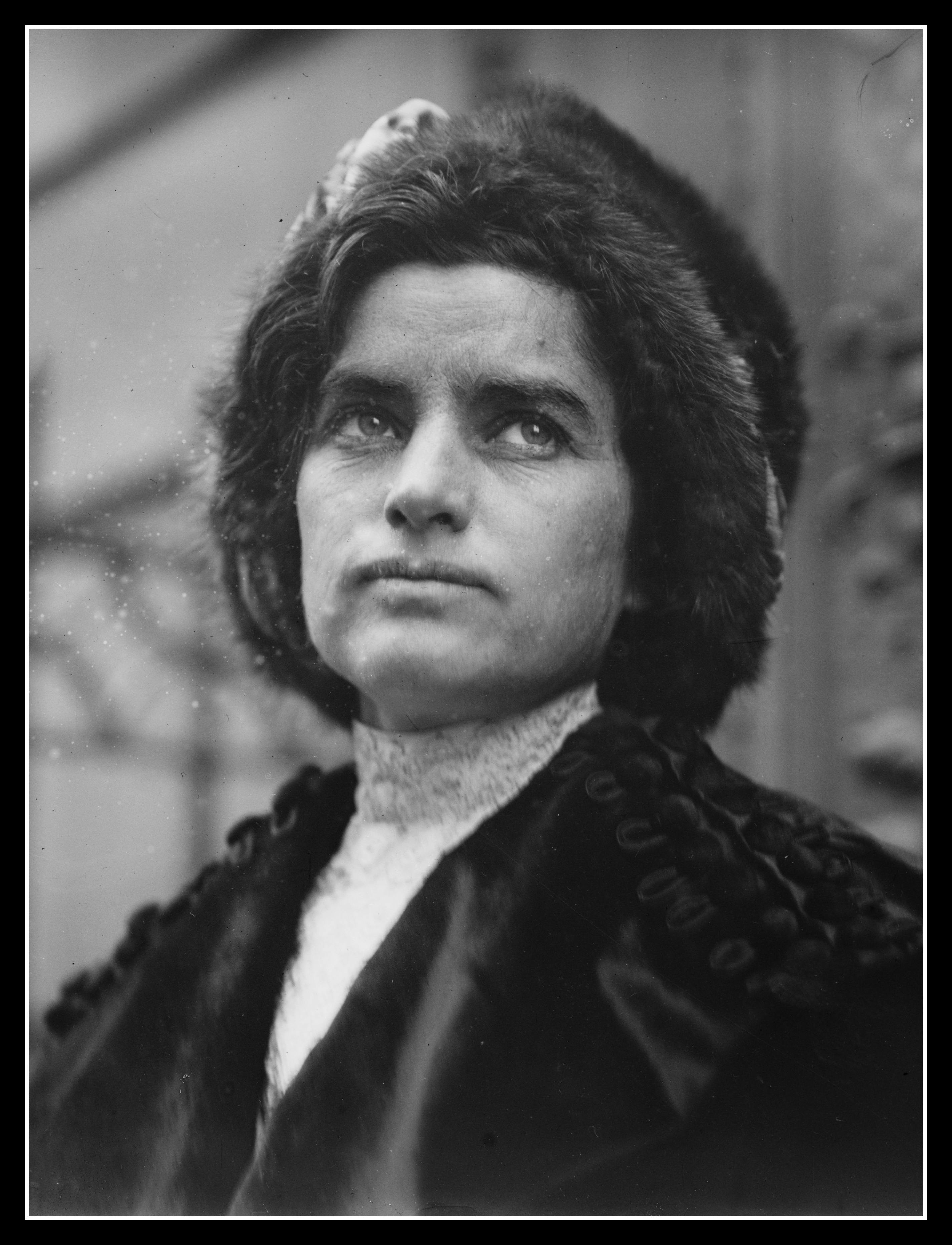
This episode is kind of a two-fer: Beckett gives you a small biography of a politician (before women had the vote!) named Kate Barnard who was elected Oklahoma Charities and Corrections Commissioner when Sarah was a child.
Kate Barnard around the time that oil was discovered on Sarah’s land. Photo: public domain
Shownotes are under construction, please come back later for more things Beckett discussed in the episode!
Wangari Maathai understood the vital connections between living things and the Earth; of local communities and the wider world. It is true that many trees make a mighty forest, and Maathai’s Green Belt Movement made it clear to us all that the most important change for the greater good is one that each individual makes in their own backyard… a philosophy which would earn her the Nobel Peace Prize.
The map that Beckett found up high in an antique store.
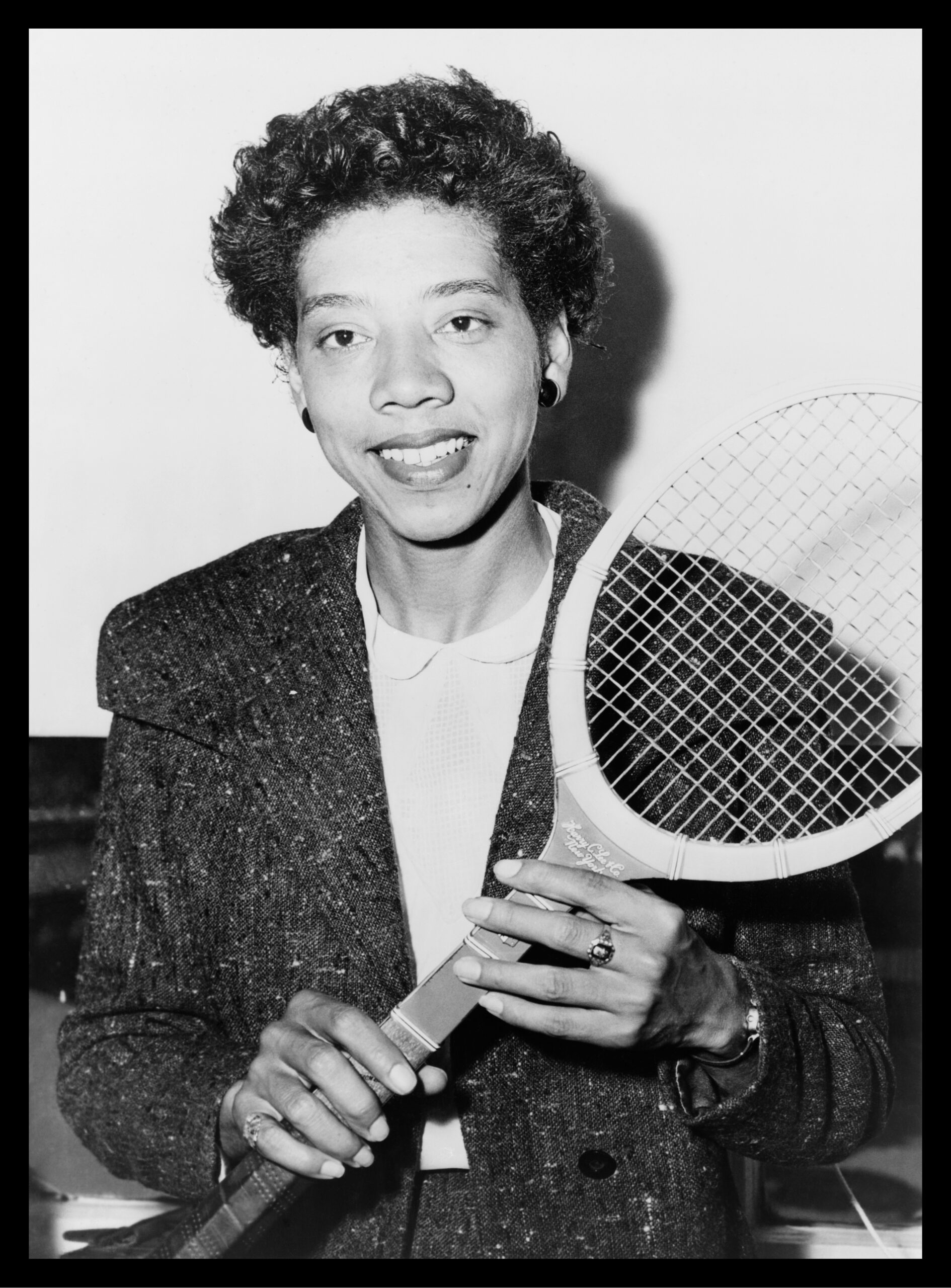
When we left Althea in part one, she was 24 and after years of training, practice, competition, and a village of supporters working with her and behind the scenes, she was finally invited to the American Lawn Tennis Association Championship at Forest Hills Tennis Stadium in New York in 1950! Getting to this national tournament wasn’t easy, but few things in Althea’s life are.
It wasn’t easy to get to Forest Hills, or through college, or onto a short-lived career as a college physical education teacher…it wasn’t even easy to get her application through to become a WAC, a member of the military Women’s Army Corps, a position that never fully panned out for Althea. She was floundering in her life and ready to give up tennis when she was tapped by the US State Department for a Goodwill Tour to Asia, along with three other tennis players.
This travel led Althea to travel on her own throughout Europe to play in tournaments, improve her game, and play with the best competition in the world! Soon she became that competition for others, winning her first major tournament in France then on to the oldest in the world: Wimbledon. She cracked through racial barriers, gender barriers, and economic barriers to win scores of tournaments including 11 “Grand Slam” tournaments: five singles titles, five doubles titles, and one mixed doubles title.
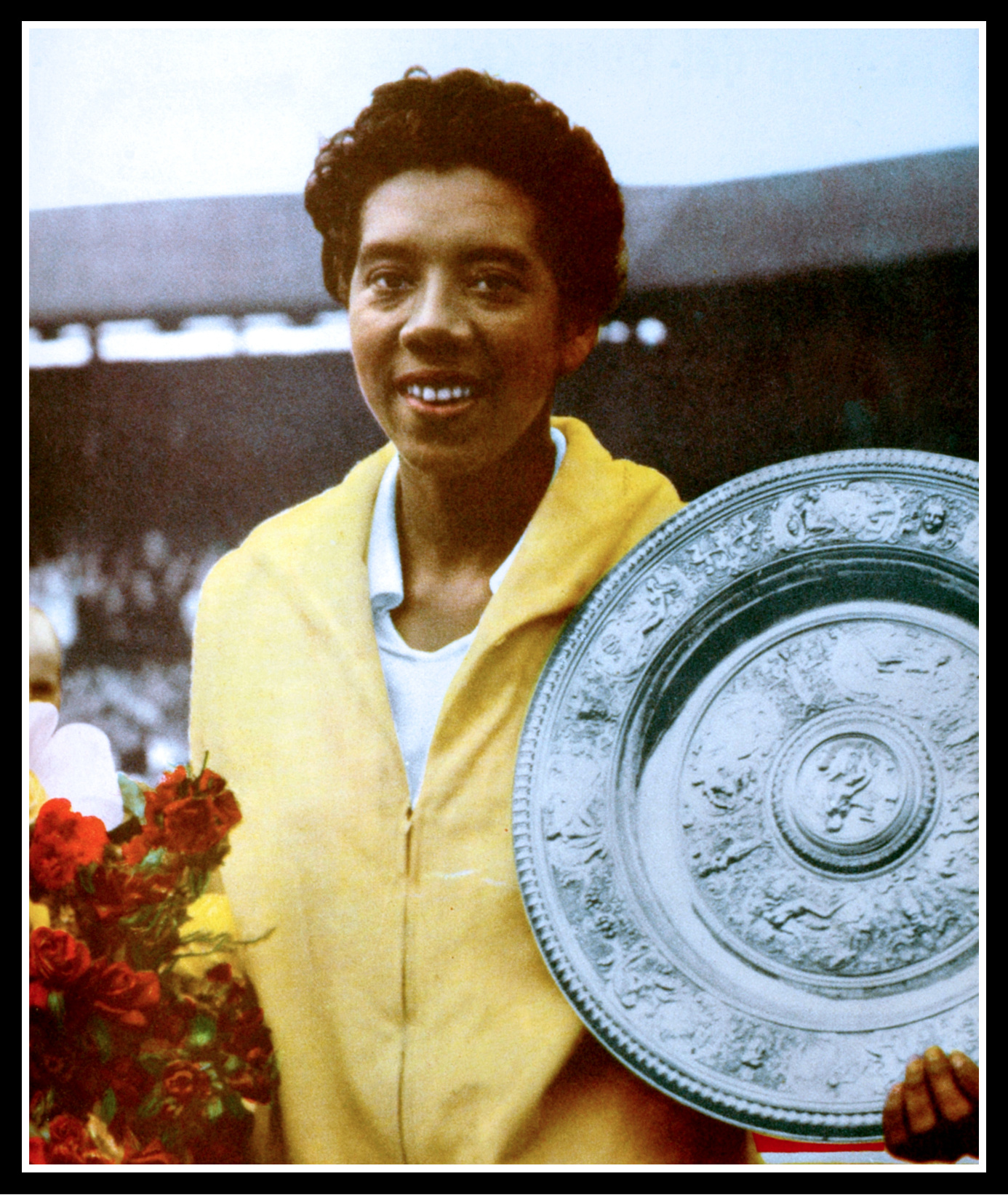
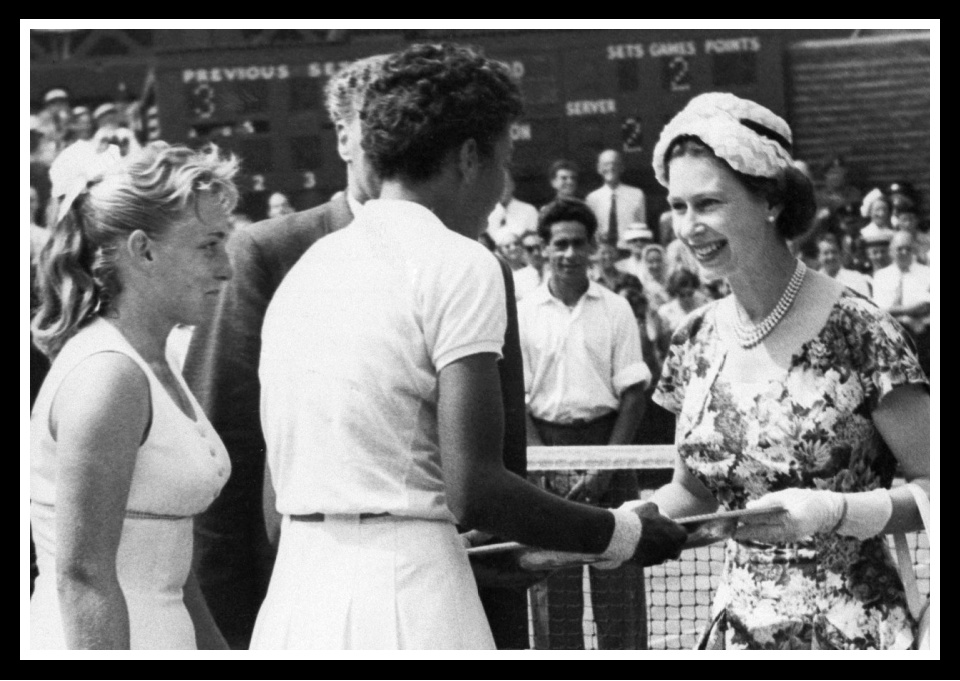
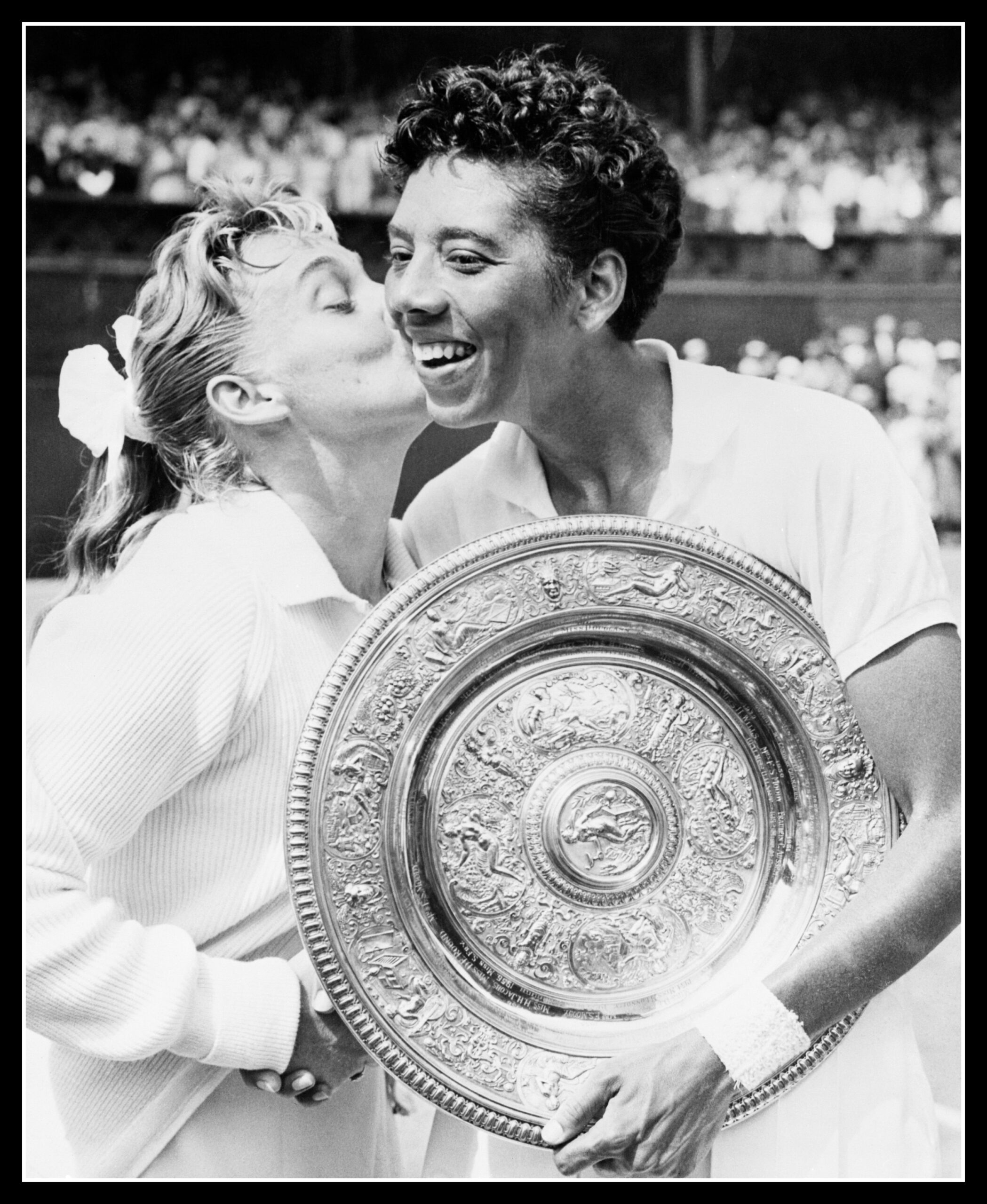
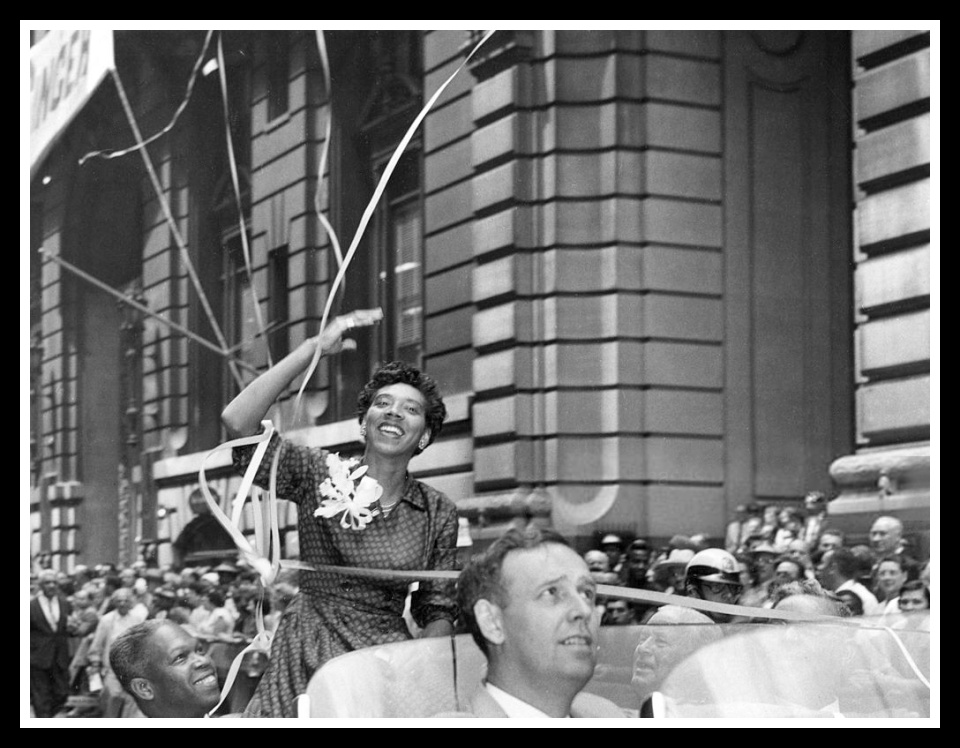
Althea’s first Wimbledon singles victory, Queen Elizabeth’s first Wimbledon 1957With Darlene Hard, singles runner-up Wimbledon 1957After Wimbledon in 1957, the first person of color to win the oldest tennis tournament in the world, NYC welcomed back their own daughter with a ticker tape parade.
Althea made two appearances on the Ed Sullivan show, this is after her historic Wimbledon win
But competitive tennis in the 1950s was for amateurs only, and Althea couldn’t support herself playing the game she loved by competition, so she retired in 1958 and crafted an interesting life recording an album, appearing twice on the Ed Sullivan Show, writing an autobiography, acting, and modeling for ads until she landed a five-year run touring with the Harlem Globetrotters to play exhibition games. When that ended, she began to hit a different type of ball when she toured with the Ladies Pro Golfer Association (LPGA.)
Her second Ed Sullivan appearance and she sings!
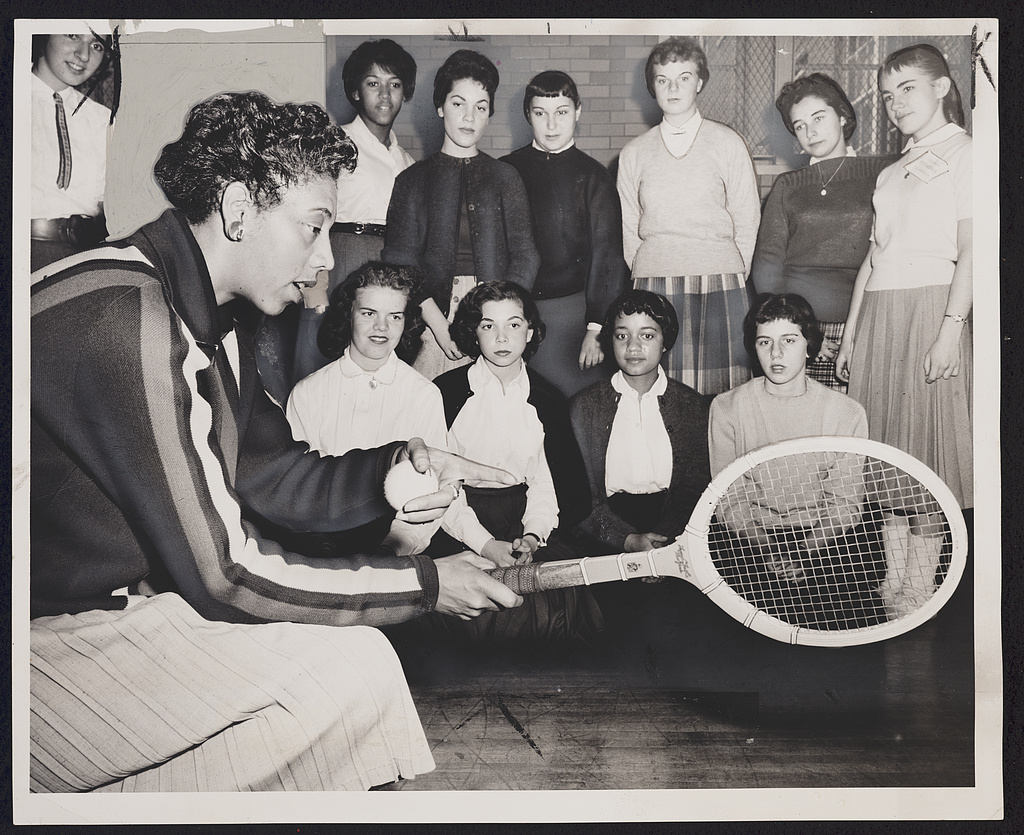
Althea gave tennis clinics and talks about being a Black, female athlete for the rest of her life.
The remainder of her life was full of struggles and successes…just like the years that came before. Althea Gibson died on September 28, 2003, she was 76 years old.
Time Travel With The History Chicks
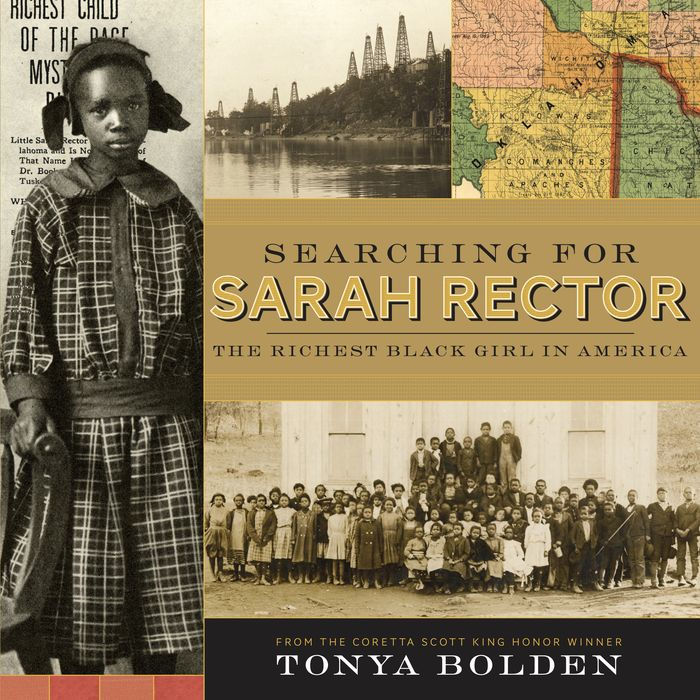
Books!
Biographies we liked:
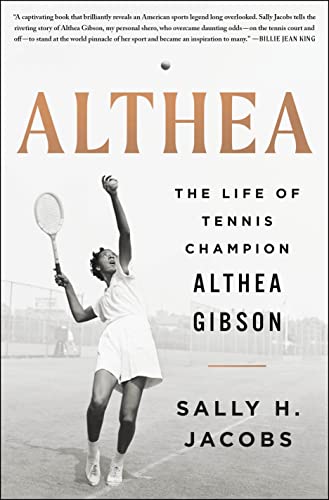
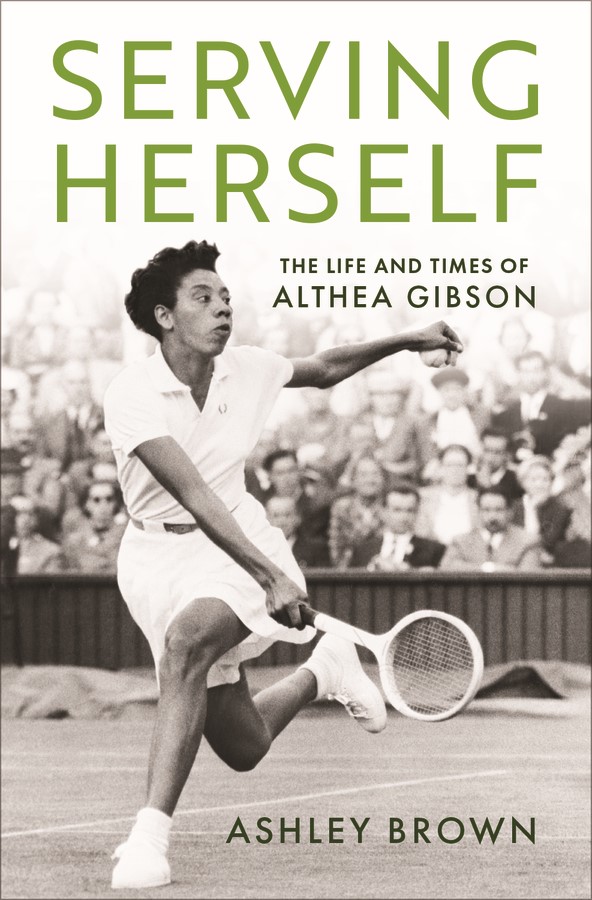
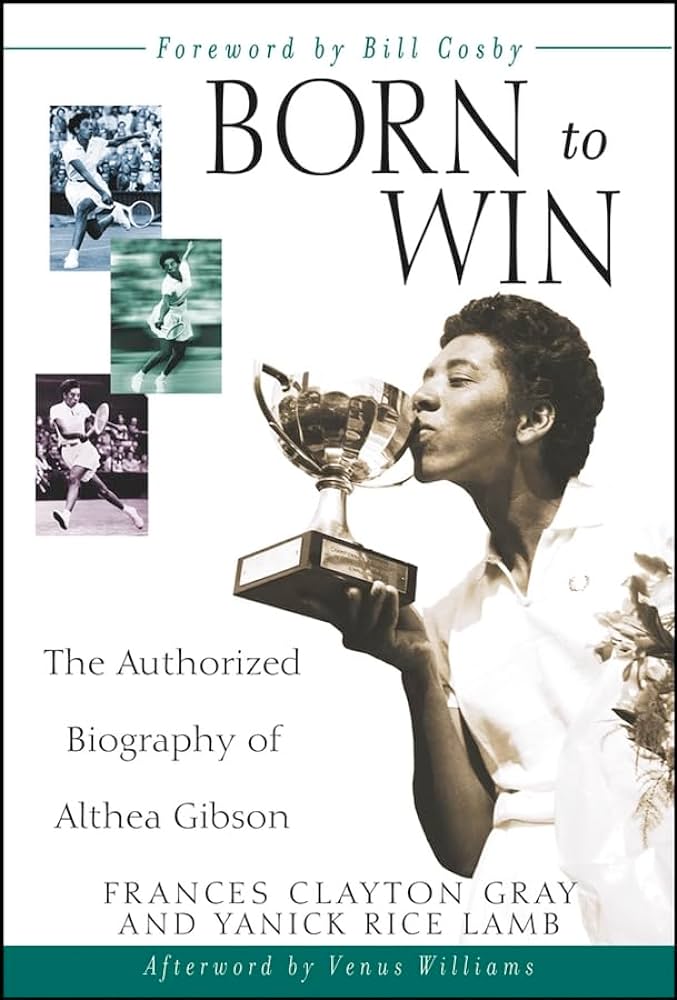
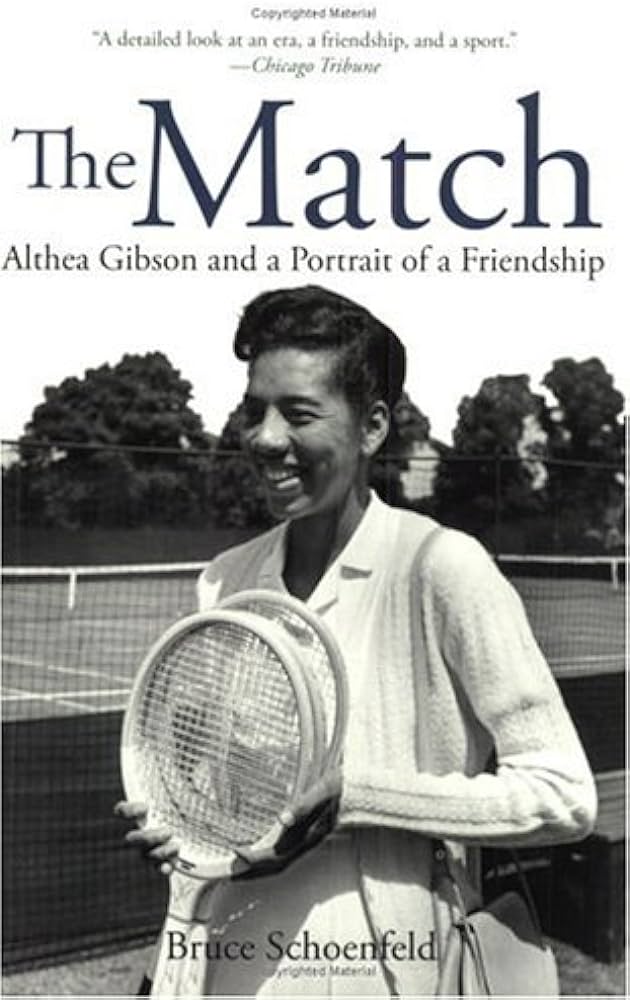
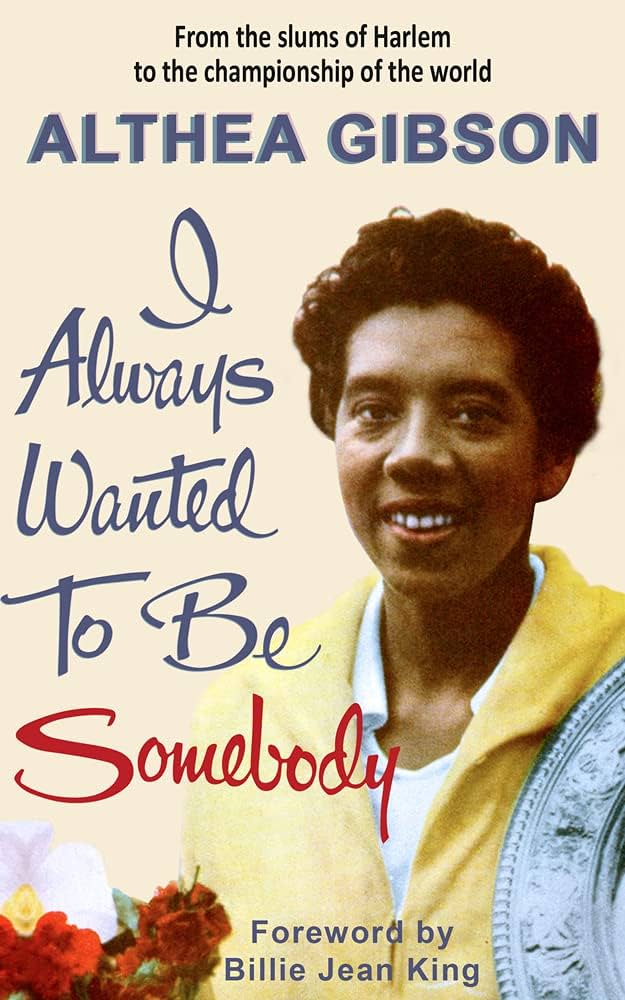
By Sally Jacobsby Ashley BrownBy Frances Clayton Gray and Yanick Rice LambAbout Althea and Angela Buxton by Bruce SchoenfeldFirst autobiographySecond autobiography
Kid books we liked:
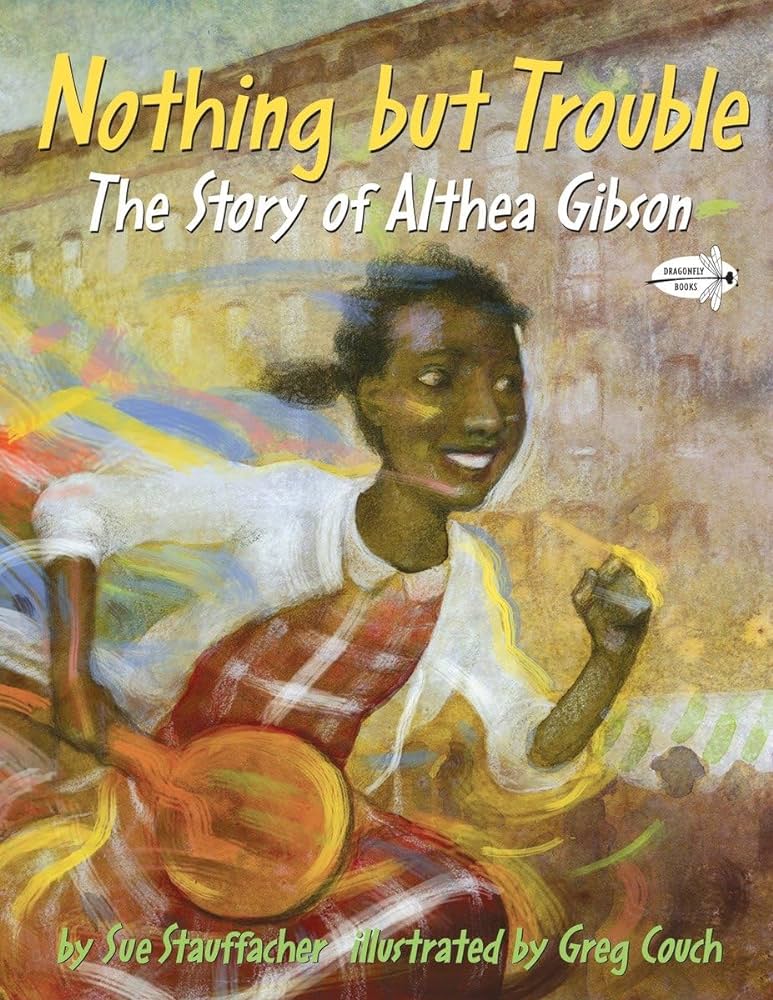
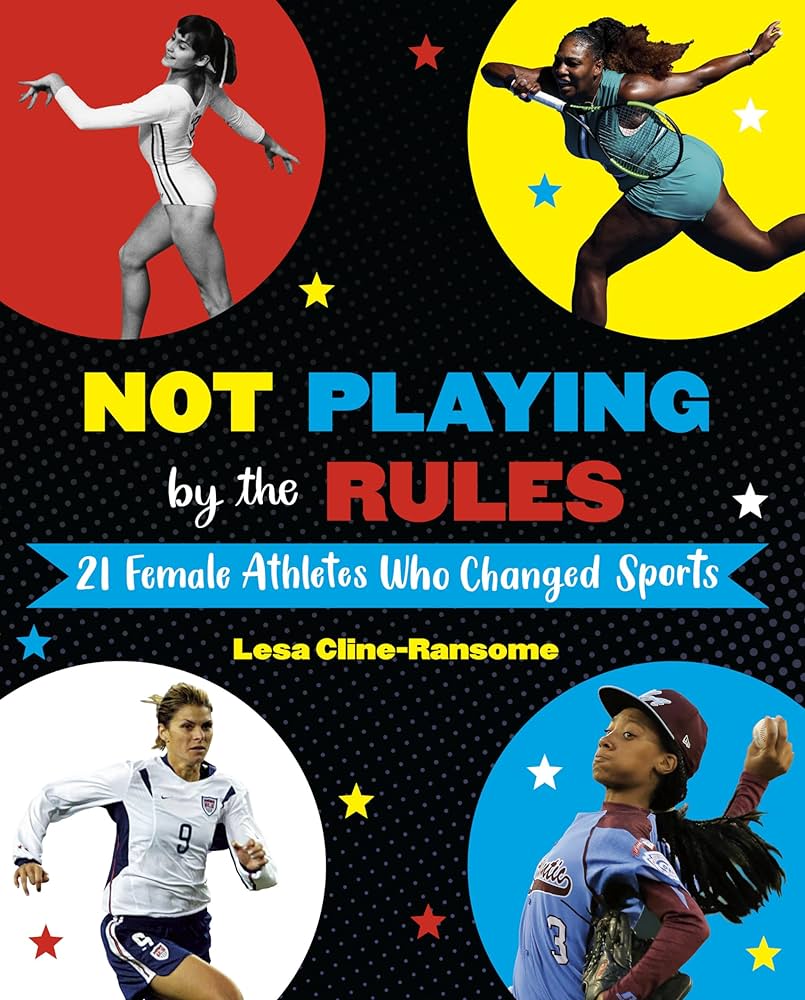
By Sue Stauffacher and Greg CouchBy Lesa Cline-Ransome
Web!
We have a Pinterest board for every subject, it’s a glorious place to dive into some rabbit Holes! Here is Althea’s!
Smithsonian National Museum of African American History and Culture online exhibit about Althea, and she’s represented at the International Tennis Hall of Fame in Newport, Rhode Island (to access the museum’s Metaverse, go to the VISIT page and scroll down.)
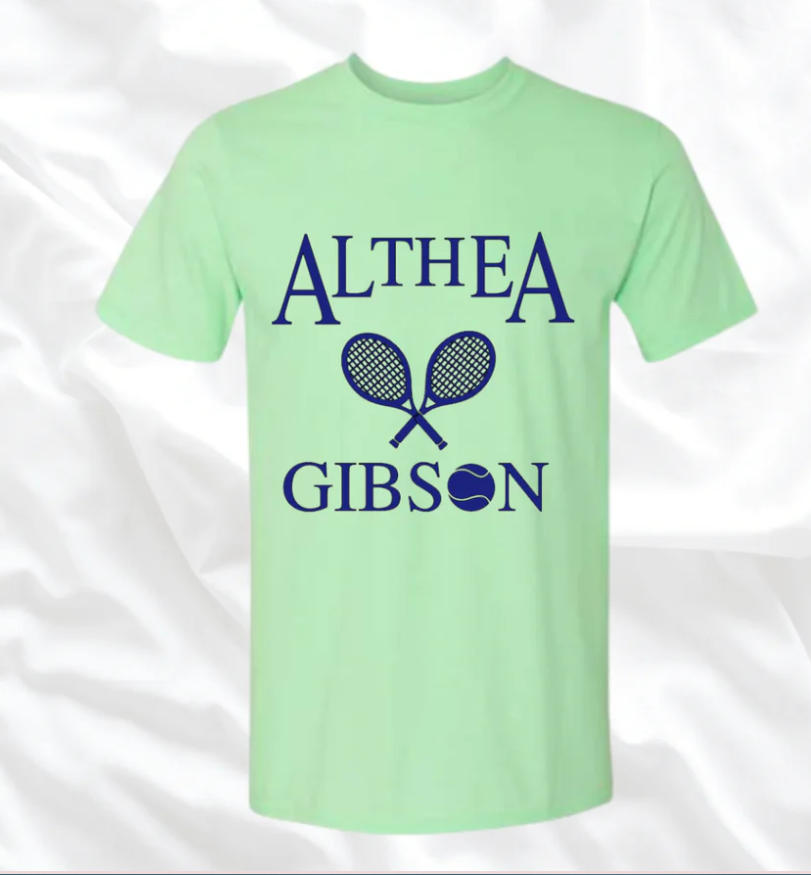
Resilient Grace is an online retailer with a mission of telling the stories of historic, African American women (Susan has a few of her shirts including the Shirley Chisholm one that she wears when she votes!)
This is the kind of sports jersey we can get behind!
Our 2024 Field Trips to Austria and Paris are both sold out, and there are just a few spaces for our New York trip in September. There, we will also have a Locals’ Meet-up Dinner Cruise that’s open for reservations now. If you’re interested in any of these, please see Like Minds Travel for information and to sign up!
Break Music: Slow Cookin’ by Joe Smith and the Spicy Pickles; End Song: Play the Game by Lilly Wolf used by permission from iLicense Music.
There are quite a few lines on a tennis court; sideline, baseline, service line – all of which have their functions. But beginning in 1950, a powerful and charismatic African American athlete named Althea Gibson began to smash tennis’ color lines, one after another. Althea Gibson broke new ground and changed the world’s perception of what was possible in the world of sports.
All media recommendations will be on the shownotes for Part Two.
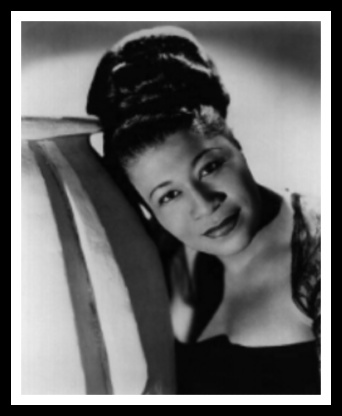
From a rough start on the streets of Harlem to the Apollo stage, smokey clubs, years on the road, and in recording studios Ella led the world through the trends and wild ride that was the musical scene during most of the last century.
If Ella’s story touches you like it touched us, would you please consider supporting the musical arts in your own community or through the Jazz Foundation of America? This is not sponsored, it’s just a cause that is near and dear to our hearts and we know that, with no shows, live musicians are struggling around the country due to the pandemic.