When we left Wallis in 1936, her boyfriend just got a major promotion that would, more than likely, leave her in the rear view mirror of his life. She was cool with that, but he had a whole different vision: Wallis in the passenger seat.
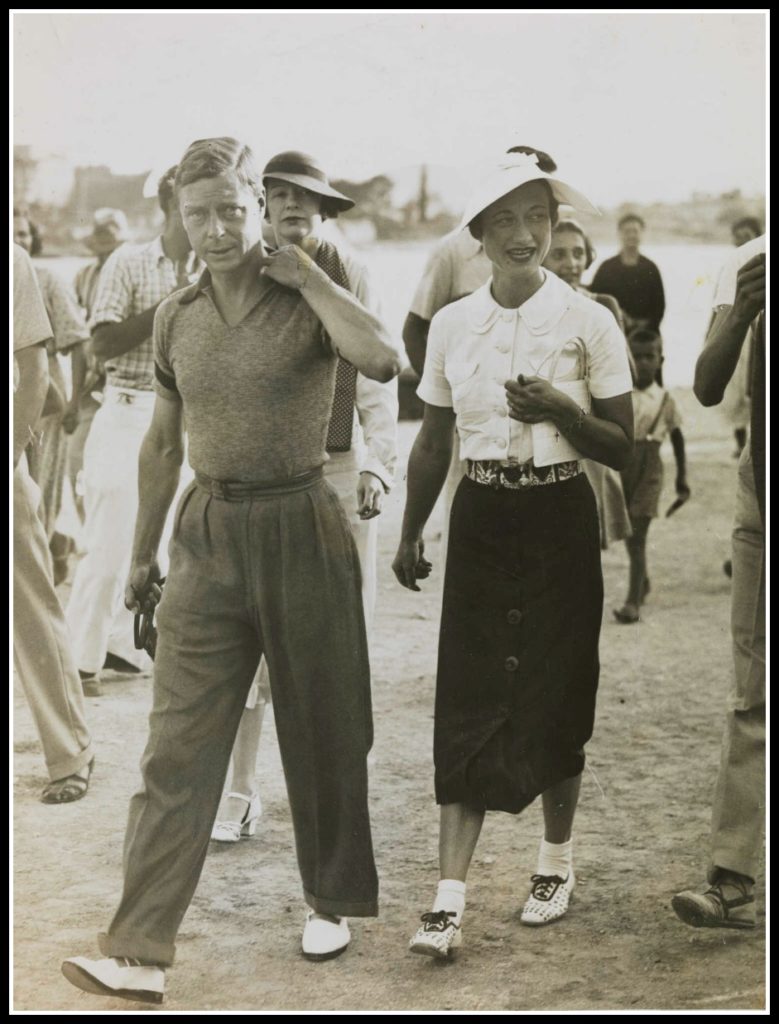
While on a cruise of the Dalmatian coast they were photographed…a lot.
Puppet? Manipulating social climber? Misunderstood? Deeply in love? However you see her, the fact remains that a king abdicated his throne, defied his family and lived in exile to marry twice divorced American socialite Wallis Simpson.
That sounds like a woman we should talk about.
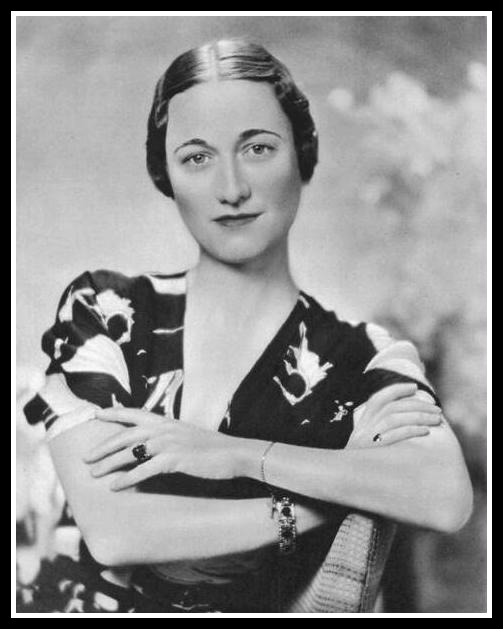
Wallis, about age 40
Bessiewallis (not a typo) was born on June 19th, 1896 to Teakle Wallis and Alice Montegue Warfield. Contrary to the way she was portrayed later in her life, she came from two, long-established, southern-American society families who made money, a lot of it. Her father’s held on to it and took life very seriously, and her mother’s, well, they were “eccentric.”Both families objected to the marriage for, essentially, the same reason: Teakle was ill with tuberculosis and in no position to marry beautiful, charming Alice (and her family thought she could do better, anyway.)
Guess what happened? Teakle died before Bessiewallis’ first birthday and Alice was left penniless with a baby–the two would become financially dependent on Teakle’s veeeery proper mother and his unmarried, wealthy, live-with-Mom, meanie brother, Solomon.
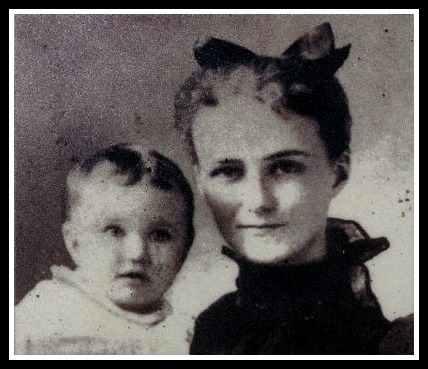
Wallis and Alice, 1899
Alice and Wallis (she dropped the “Bessie” as quickly as possible) moved around the Baltimore area for all of her childhood. Wallis was bright, charming, very polite and had just enough mischief in her to make her quite interesting. Her Uncle Sol did pay for the right schools (have to keep the family name in the right places, you know, plus…control) and when Wallis emerged from high school, Oldfield’s, he (sort of) paid for her debutante season.
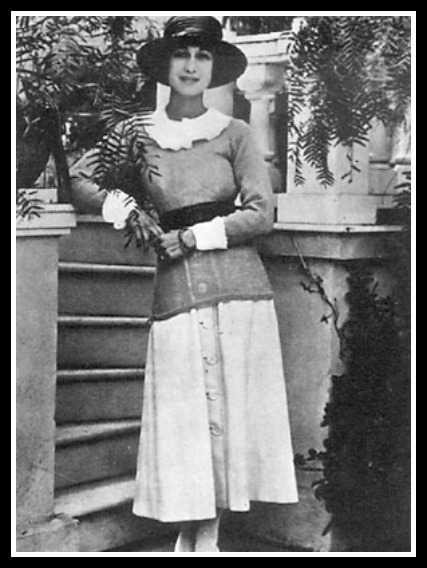
Wallis, 1919, a couple of years into her marriage to Win
What does a properly raised society girl do after all that? She’s going to Disney Wor…oh, well, close: Pensacola, Florida where she met and quickly married, handsome, sophisticated, military pilot Earl Winfield Spencer. But Win wasn’t the guy she thought he was. The marriage was horrible. He drank a lot and emotionally and physically abused her. As an officer’s wife she lived nicely in different places around the country, but after ten years (not all living together), Wallis was finally able to divorce him.
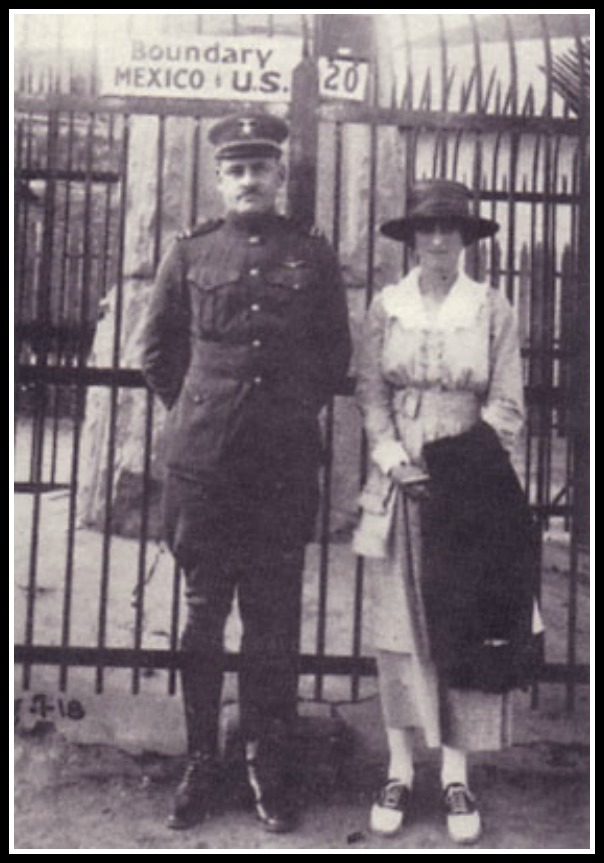
Wallis and Win, 1917
Instead of going home, Wallis spent a full year in China, a time she later called her “Lotus Year.” This time traveling alone created myth and intrigue later in her life, but it was a good transition from Military Wife to Divorcee Socialite. But Wallis wasn’t one to sit around and wait. She was a master at making social connections and soon was married again to an English-American, Ernest Aldrich Simpson.
The slow boat China Wallis took, USS Charmount
The couple lived in London where Ernest worked in the family business, a ship brokerage, and Wallis mastered London society. Her parties were marvelously different…SHE was marvelously different than what people had known. They climbed the social ladder fairly quickly (Wallis was very good at this) and, one day, found themselves in the upper tier: a weekend hunting party with Edward, Prince of Wales, the future King of England who also had a thing for married American women.
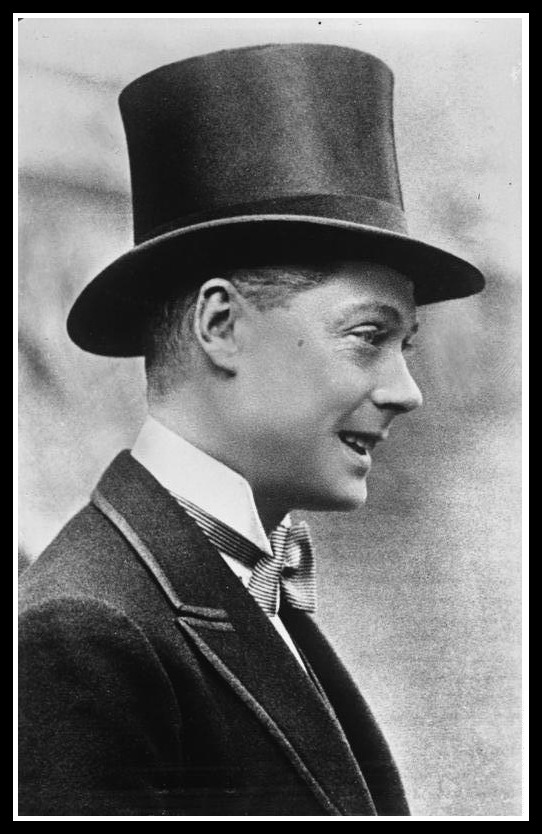
Dapper Prince
At first Wallis and Ernest ran with the princely crowd…then it was only Wallis running with them and, a few years later when his father died and Edward became king, Wallis was Edward’s American woman and he wanted to make her his queen.
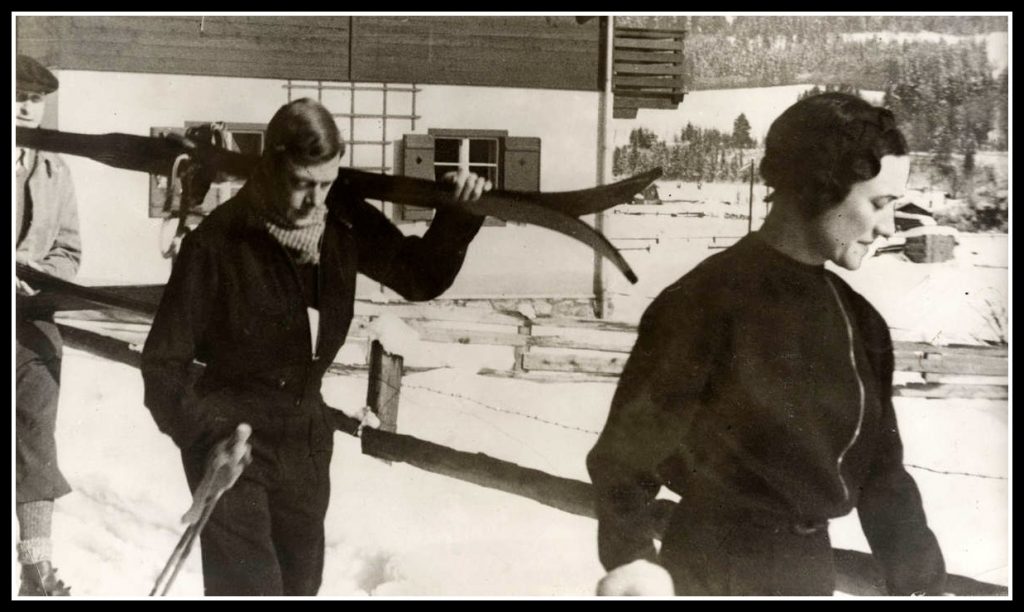
The two enjoyed a kind of media bubble when they traveled, it was’t really reported on. Ski trip. 1935 Yeah, the You’re Not The Boss of Wallis in Wonderland, Earnest, ski trip.
The country loved the future king…but the Prime Minister didn’t think he was the Prince for the job, what with his sympathies for Nazis and all. Edward, it seems, was successfully courted by Adolf Hitler (not directly) and he gave every indication that he was on board with Hitler’s plan. Add to his lack of appeal as king: Wallis was divorced, would have to be divorced a second time…and an American? Oh, no, this wouldn’t do.
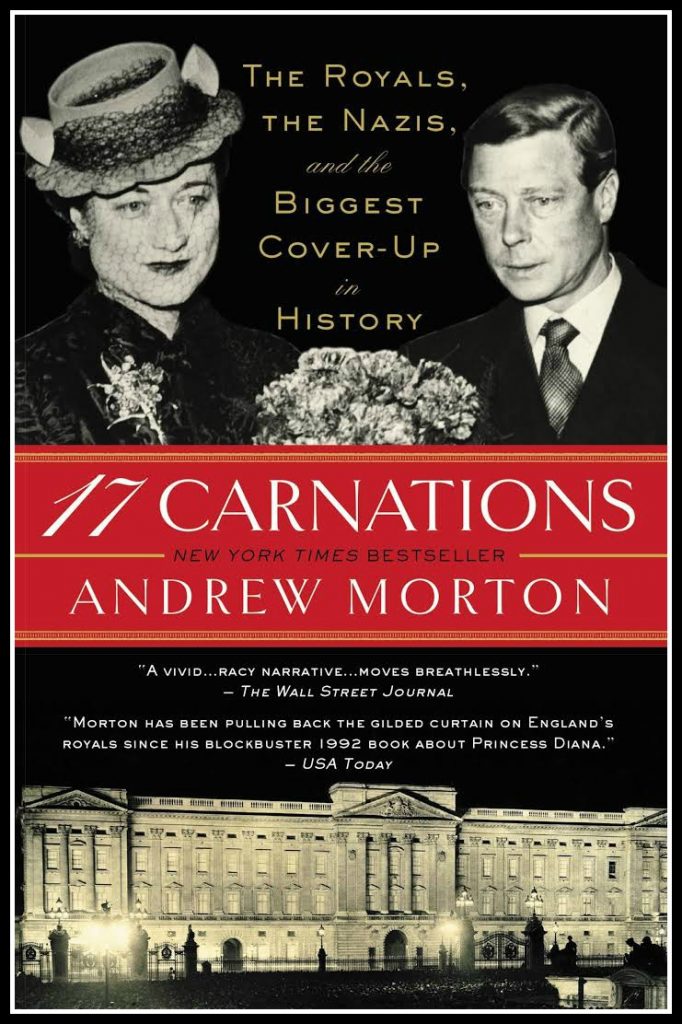
We give the basics about the Nazi involvement in this story, but this one is a very interesting read for more information and speculation.
But then this happened, King George V died and Wallis’ boyfriend was now King Edward VIII!
And the rest of the story will be told on part two….
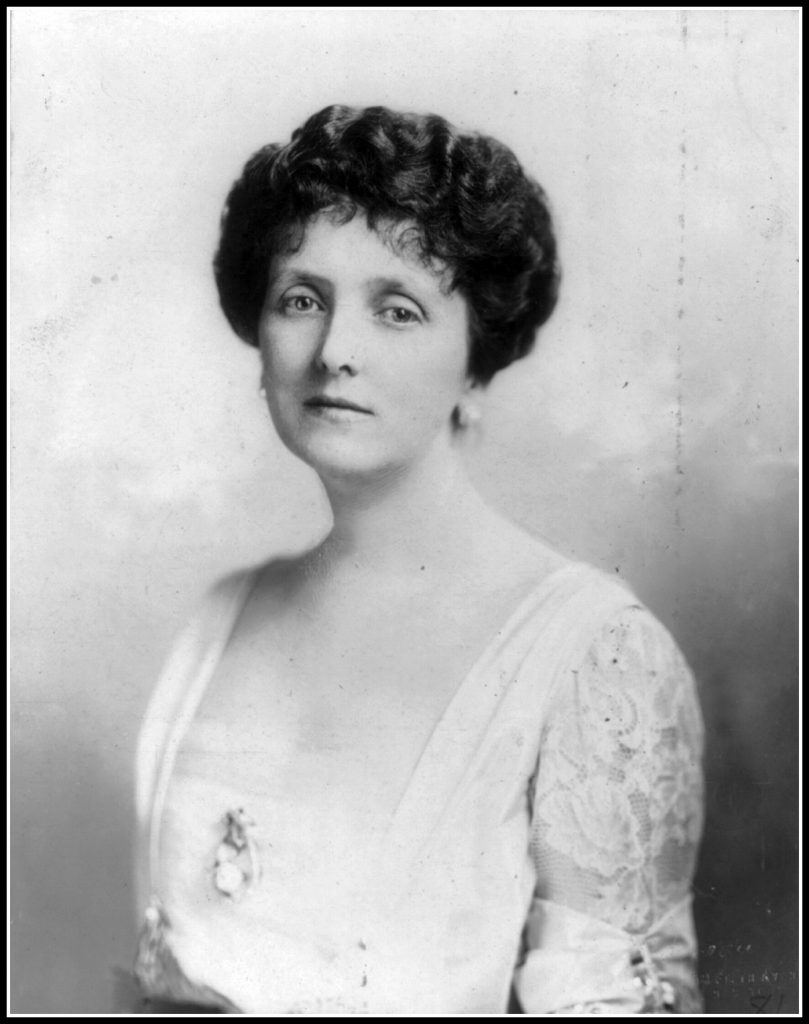
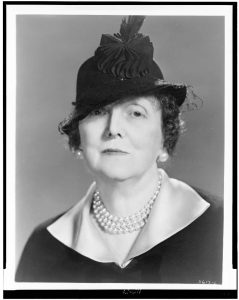
A few years after the divorce. Emily Price Post, American writer and authority on etiquette. Marceau, New York]. ca. 1912. Photograph. Library of Congress
Emily Price Post is most known as an expert on etiquette, but she didn’t even publish her first book on the subject until she was 50-years-old. (Listen up! You’re never too old!) Before that book she was a novelist, journalist, decorator, and architectural consultant. Before those, she was a doted on only child of progressive parents, debutante, heiress, society wife and mother. A very busy life for a woman that COULD have lived a life of leisure.
But where is the fun in that?
Emily Bruce Price was born on October 27, 1872 (according to her gravestone) in Baltimore MD, to Bruce and Josephine Price. Bruce was an upcoming, then quite famous, architect from a wealthy family; Josephine also came from wealth and could trace her lineage straight back to the Mayflower.
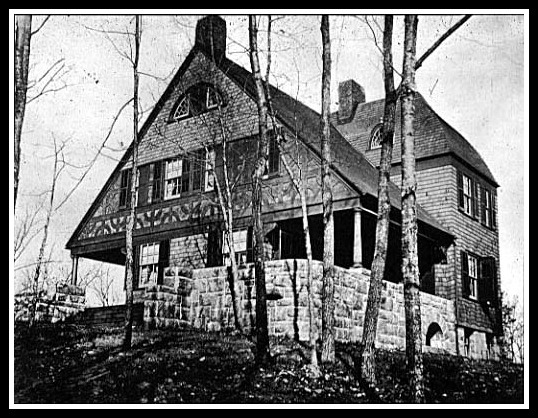
Price cottage in Tuxedo Park built for Josephine
Emily was doted on as a child, she spent as little time as possible in school and as much time as possible with her father who showed her how buildings are designed and built and thought it a shame that Emily wasn’t a boy so he could become an architect, too (“progressive” is relative.) The base of the Statue of Liberty and the hills lakes and rustic opulence of Tuxedo Park, NY were her playground.
She did what was expected of her in the 1800s as New York society flipped their calendars to the 1900s: She went to finishing school, had her debut into society, met a man with good breeding and married him. The Edwin Posts had two boys, Edwin worked (hard? lucky? you pick) as a stock broker, and, other than a few years on Staten Island, lived in Manhattan and Tuxedo Park.
Another cottage designed by Bruce
Yup, on(and in) the papers they had it all…but no. They couple had nothing in common, Bruce’s financial luck was about to run out and, oh yeah, he had a thing for chorus girls, duck hunting and boating.
After a blackmailing scandal Emily had had enough. Done. Finished. She divorced Edwin and set off to make a name for herself.
Her most popular fiction novel. Monied American Girl contemplates marriage to European Aristocracy. (Hey, they say to write what you know and Emily KNEW all about upper crust society, Dollar Princesses and, of course, marriage.)
We cover her career ups and downs in the podcast, but basically while raising the boys (then sending them to boarding school) she started to write novels, freelance pieces for magazines, and started to work as an architectural and home designer…not too shabby for a woman who probably didn’t have to work for an income in the first place, huh?
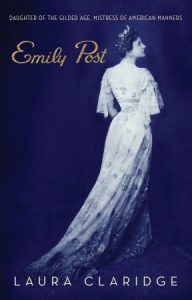
After Etiquette was first published in 1922 Emily’s legacy began to solidify. The huge best seller made her name and etiquette synonymous.
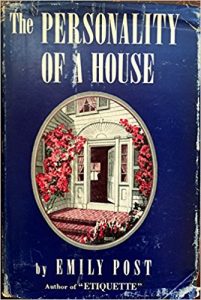
She was on tour promoting her book, started regular radio shows, wrote a syndicated advice column but she did have other interests that she continued to pursue (and we talk about them in the show) including this very well received non-fiction book about home design…
Personality of a House by Emily Post
…and her new favorite home on Martha’s Vineyard.
This is a postcard, hopefully Susan will replace it with a selfie (or not) when she strolls by this summer.
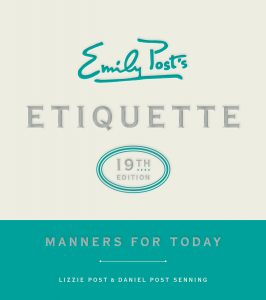
Etiquette has been revised over the years to keep up with how people REALLY live and is currently in it’s 19th edition. There is a whole library of other advice and etiquette books written either by her or her descendants.
Dear Emily, If there is an opportunity for you to share something that is quite messy but you think may be well received, should you?
Part of Susan’s recording notes: Something in Etiquette that made her think of Beckett.
Emily Post died on September 25, 1960 of natural causes (polite nod to Post family), her ashes are buried at the Tuxedo Park Cemetery.
Obviously, you should go pick up a copy (lift with your legs) of Etiquette, but also give her fiction a whirl.
The non-fiction book that isn’t online but if you can find a copy, grab it if only to flip through and appreciate the mountain of knowledge Emily possessed had.
Personality of a House by Emily Post
Emily Post books you can read online (if you can’t find them at your library):
This is newest edition, link will take you to 1st edition. Maaaaany updates since 1922
Poor Marie Laveau! She’s often remembered as either a sinner or a saint… and not too often as a multi-nuanced, very real woman who held power at a time and place when powerful women were rare.
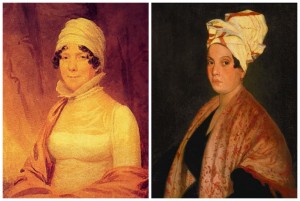
Marie never sat for a portrait, but maybe she was a gorgeous as depicted in this one by Frank Schneider (1920 based on George Catlin that’s presumed destroyed) wikicommons
Marie’s story is a tangled web of myth, truth and half-truths with a whole lotta holes. She was illiterate so any record of her comes through legal documents, a few secondary sources and, well, that’s about it. Fun! (If your idea of “fun” is trying to detangle her tale.) Even her birthday comes with a disclaimer and was only (historically speaking) discovered recently. More fun! So what do we know for sure?
Marie was born around the beginning of the 1800s in New Orleans, Louisiana to a free woman of color, Marguerite D’Arcantel. The “father” line was blank but it’s presumed to be Charles Laveaux. (You caught that “x” didn’t you? Charles used it, Marie is usually referred to without it. See? What a tangled web.)
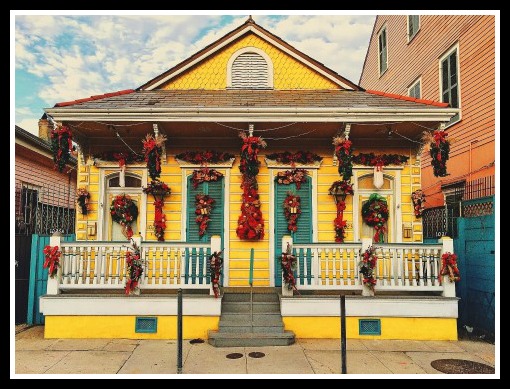
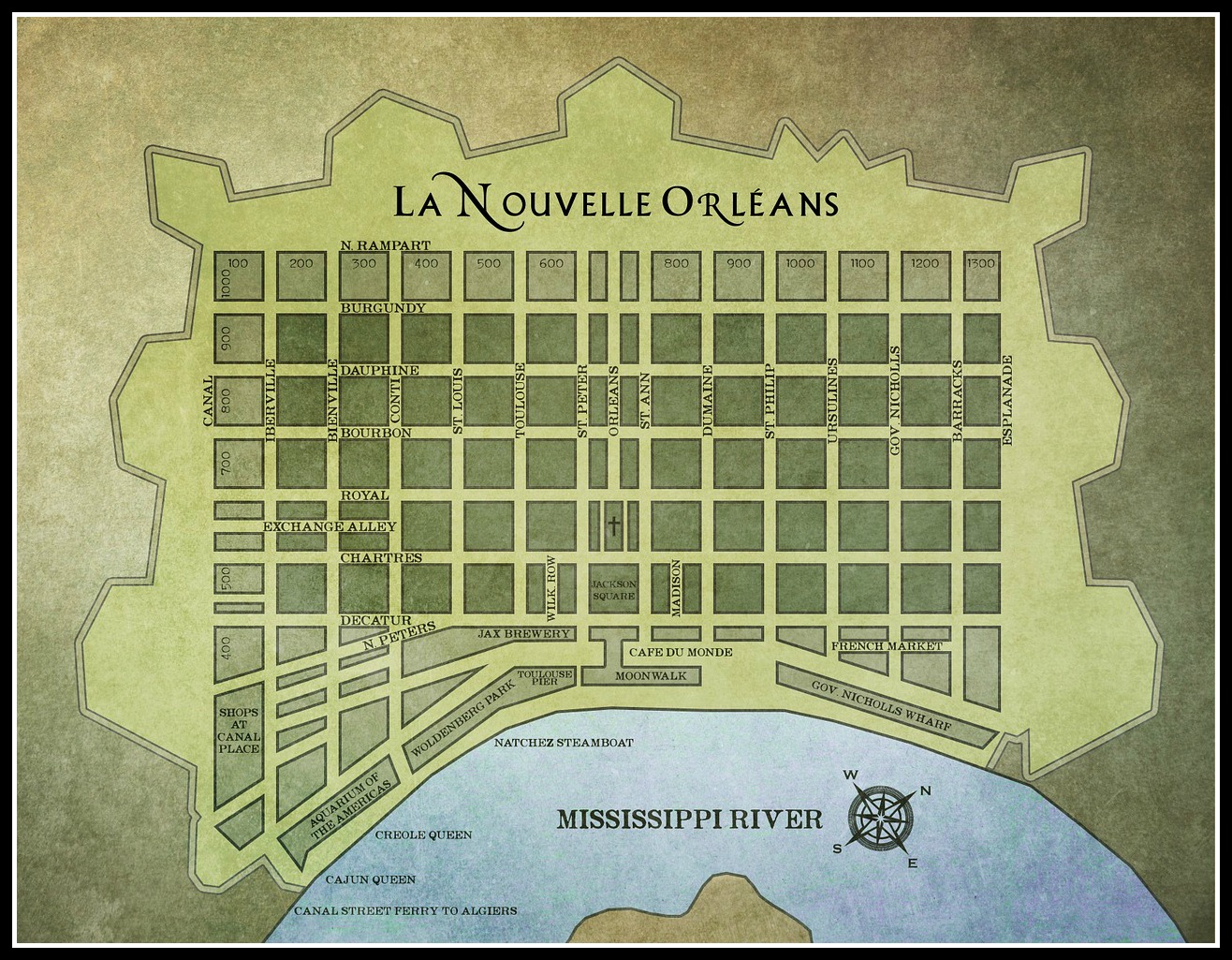
This is NOT the house that Marie lived in on St. Ann’s Street–it’s gone– but a random, lovely cottage all fancied up, in the French Quarter
Marie lived in New Orleans her entire life, married as a teenager to Jacques Paris who disappeared from the narrative within just a few years. She entered a common law relationship with *deep breath* Louis-Christophe Dominic Dumesnil de Glapion and had between 5 and 15 children. She worked as a hairdresser, was a practicing Catholic and also a practicing Voodoo Queen.
Marie’s home church…right?! St. Louis Cathedral
She had a very philanthropic heart, was deeply tied to her community, led many public and private Voodoo services, made a nice living selling gris-gris and used her spiritual gifts to help people of all colors and social levels.
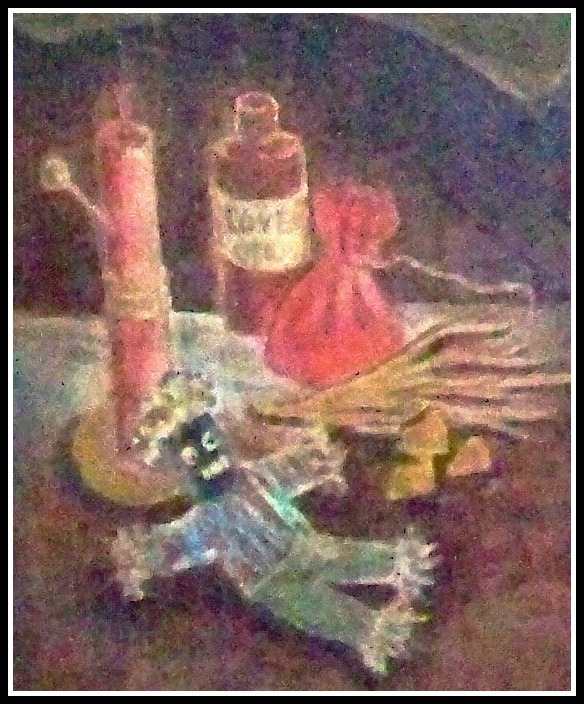
Gris-Gris, Charles Gadolfo (art just classes up the joint, doesn’t it?) wikicommons
She died on June 15,1881. Although, quite mysteriously, it seemed as if she didn’t. Marie II (more than likely her daughter but not enough evidence to claim it as truth) took over Marie, Senior’s gig–rituals, clients and all, only the heart of Marie 2.0 wasn’t the same and the activities became a bit more…let’s go with “naughty.”
Wow, Chicks, that doesn’t look like enough solid intel for a full show.
We talk about cool stuff like the possible cultural appropriation of Marie’s style (forced on her) with Dolley Madison’s (a choice.) We also talk about how much we love Dolley.
Hahaha…have you not met us? We compare the myths and legends of not only Marie but Voodoo in general; we talk about life of women of color at that ever-changing (and not for the better) time in US history, and the unusual history of New Orleans (and gush, Susan knows what it means to miss New Orleans.)
Marie’s legend grew fast and hard after her death and the voodoo religion was turned into a tourist attracting industry. You guys! New Orleans has a lot of beauty and history (and not all of that is beautiful)–you should visit Marie’s tomb, but that’s just a short jaunt in a city FULL of long jaunts.
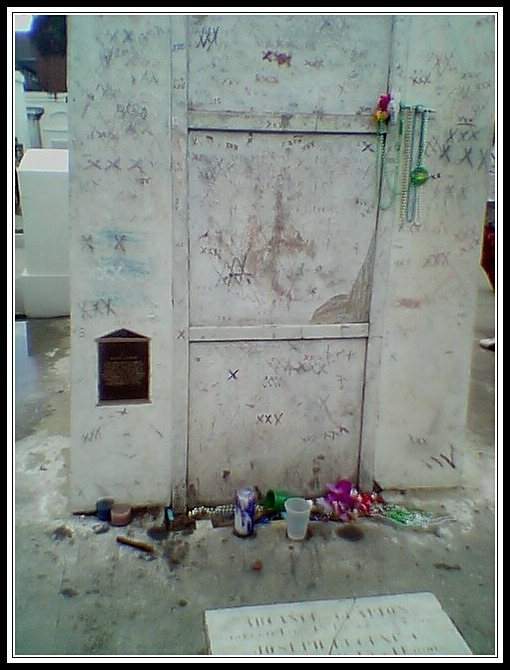
Marie’s tomb and why we can’t have nice things. Keep your grimy hands off of it!
Time Travel with The History Chicks
If you aren’t with Susan on Anti-Website Music, maybe giving this ditty a play while you scroll around might be fun. Maybe.
Books!
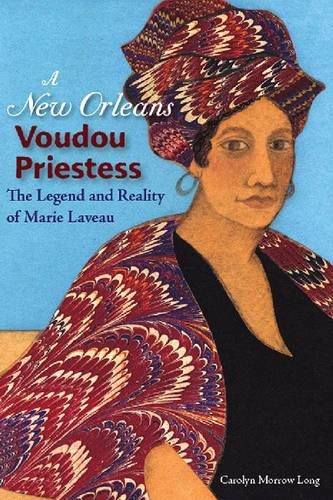
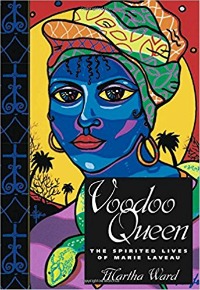
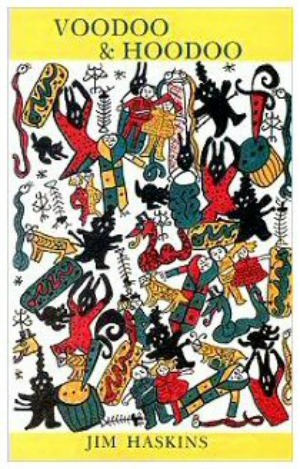
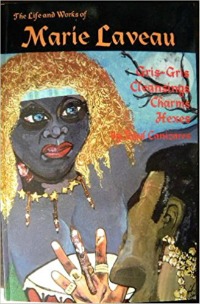
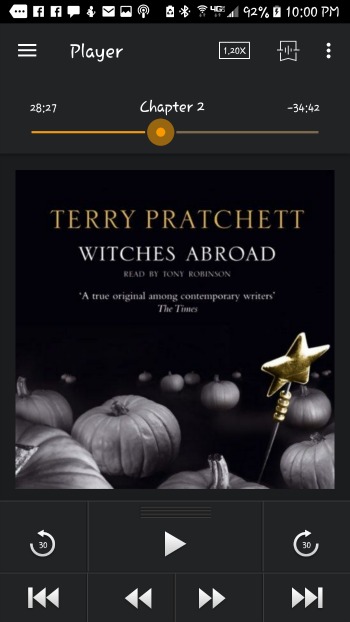
Carolyn Long, this is the favorite of both of usAnd we both liked this one a great deal, Ina Fandrich (the woman who discovered the baptismal certificate)Martha WardThe book Beckett recommended to learn more about the differences and histories.The “recipe” book we quoted at the beginning of the show, The life and works of Marie Laveau by Raul CanizaresFiction– Witches Abroad by Terry Pratchett- part of the Discworld Series. Also proof that Susan has begun it, and the Android Rosemary font that she prefers and makes Beckett’s eye twitch.
Travel!
We aren’t travel guides, but there is so much more to do in New Orleans than focus on the touristy voodoo, but you’ll probably want to do some type of tour since you now a bit about Marie and her times.
Highly recommended cemetery and French Quarter walking tours (and the name! Right?) Two Chicks Tours (recommended guides, Grey Sweeney Perkins or George “Loki” Williams specifically but all are good) and also the tour group, Friends of the Cabildo.
For some more information about early 19th century medicine, check out the Melnick Medical Museum
You may want to turn off your speakers, but there is a plethora of intel on here: French Creoles dot com
This is a good write up about how Ina Fandrich discovered what is now accepted as the birthdate of Marie. It will also give you a bit of insight into exactly how much work goes into the biographies that we devour in no time! How birth certificate was discovered
We didn’t talk about this but you might find some really great information about preservation and architecture of New Orleans at Preserving New Orleans.
Movies!
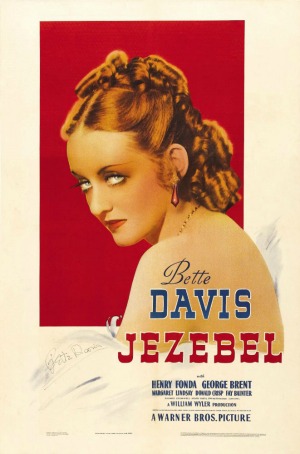
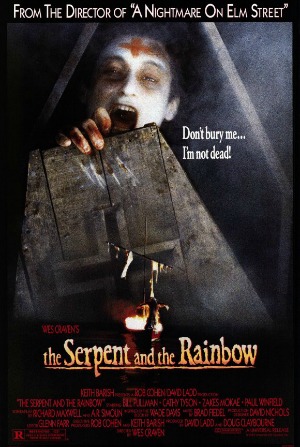
Only two that are even remotely related that we would suggest, although you might keep your eye out for the 2017 release (still being filmed as we post) called, Laveau. You can follow the production on the IMDB page.
With Bette Davis set during Marie’s era“Nope. Nope. Nope, nope nope.” Susan
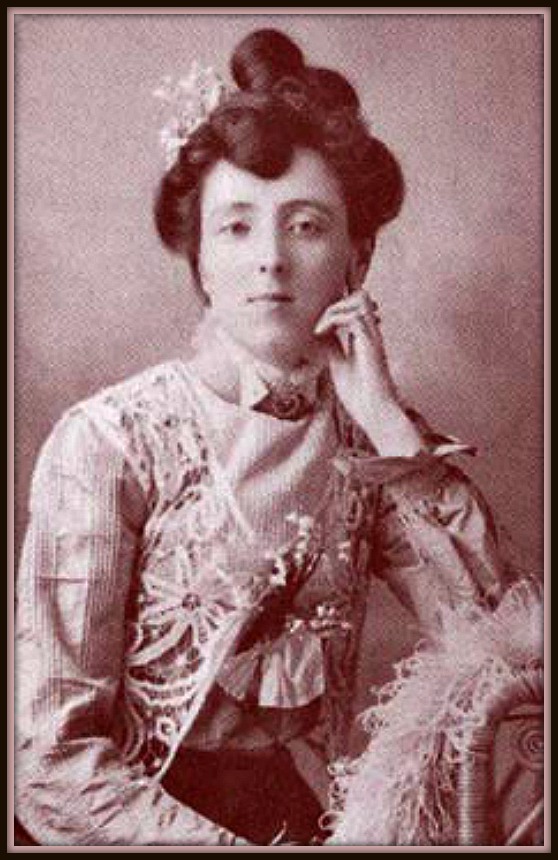
An abandoned little girl raised by elderly guardians during the Victorian era on Prince Edward Island, Canada. It sounds like the premise for a book, and it was, but it was also the early life of author Lucy Maud Montgomery.