by The History Chicks | Jul 3, 2014 | Biography Episode, Episode, Podcasts
We all know the story of Paul Revere, but here is the lesser-known story of one teenage girl whose similar act of bravery changed the course of American history.

Statue of Sybil in Caramel, NY by Anna Hyatt Huntington
For some basic information about the Revolutionary War, check out Historyforkids.org.
Liberty’s Kids, Sybil Ludington video on YouTube
PODCAST AUDIO – “Sybil Ludington”
by The History Chicks | May 24, 2014 | Biography Episode, Episode, Podcasts
Her name is now often a punchline to a joke with the words “nutty” or “crazy” peppered liberally throughout. But in the simplest terms Carry Nation was a woman who boldly worked for reforms which she felt would benefit all mankind. Nothing funny about that.
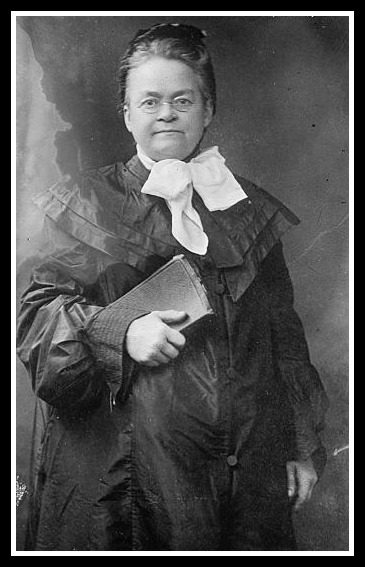
Carry Nation, Activist, Prohibitionist, Hatchet Wielder, Mother
Born Carrie Amelia Moore in Garrard County Kentucky on November 25, 1846. Her father, George, was fairly well- off plantation owner with a very deep Christian faith. Carry (she later changed the spelling of her name…we go into the whys on the podcast, just didn’t want you to think that was a typo) was very devoted to her father. Her mother…not so much. Mother Mary felt that the best way to raise a child was for Carry to spend as much time with the family’s slaves as possible and essentially farmed young Carry out. (She may also have thought she was Queen Victoria – so getting away from Mom may have been very wise).
As the Civil War began George moved the family (born into and purchased) around, first within Kentucky and then to several farms in Missouri, Texas, Kansas and Arkansas. While the family may have started financially secure, they didn’t remain so and Carry was not raised as a demure belle. There were many years where the family made very little money and scrambled to survive.

Carry’s birth home in Kentucky-not exactly Tara and the first of many places she would call home.
Carry’s formal education was very limited- she did read at home from the Bible, and attended a Christian girl’s school in Missouri for a short time. While there she developed a mysterious ailment that sent her back home and into bed for five years pretty much ending her elementary education. During her recuperation time she did spend time in religious study and experienced an epiphany that began a life-long conviction which would be the guiding force for her remaining years.
Carry grew…and grew. During the Civil War the average height of a soldier was 5’8″. Carry was 5′ 11 1/2″ of strong woman who desired nothing more than to find a husband who would love her and whom she could love in return ( it sounds like the basis for a romance novel, doesn’t it?) Her family took in boarders including one Dr. Charles Gloyd (ooh, a doctah!). A surreptitious courtship played out and against her parents wishes, two years later Carry and Charles were married.
Although they had lived under the same roof before, once married Carry discovered her husband’s secret: he liked to drink alcohol. A lot. And he was a mess. Within a year she was pregnant, left him and moved back to her parents home.
Six months after that, Charles died.
Carry was now responsible for a baby as well as Charles’ mother who had depended on Charles and Carry had grown fond of. What’s a strong woman with determination and very little funds to do in such a situation? She went back to school.
Bold, right?
Carry received her teaching certificate and supported her family for four years until she lost her teaching job and found herself in a quandary. Unlike her first solution of pulling herself up by her bootstraps, this time she felt that marriage again was the answer to her problems. Enter- after ten days of prayer for a husband- David Nation. He was 19 years her senior, a lawyer, newspaper editor and minister and within a couple of months they are husband and wife. And daughter from each side and a couple sons from his. And former Mother-in-law. It’s really a very modern story.
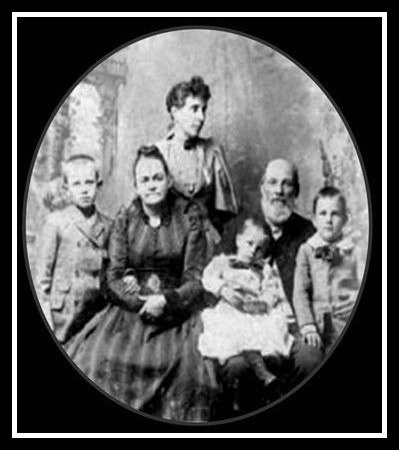
One big blended Nation family
Not exactly a happy modern story, the marriage was unpleasant from the start as David and Carry pooled their resources and began to scrap out a living. First cotton farming, then running a hotel but they struggled financially and suffered quite a few hardships (yes, we go into details in the podcast) and eventually the couple was empty nesters and settled in Medicine Lodge, Kansas. It was here that Carry had her first taste of the battle that would give her a place in history.
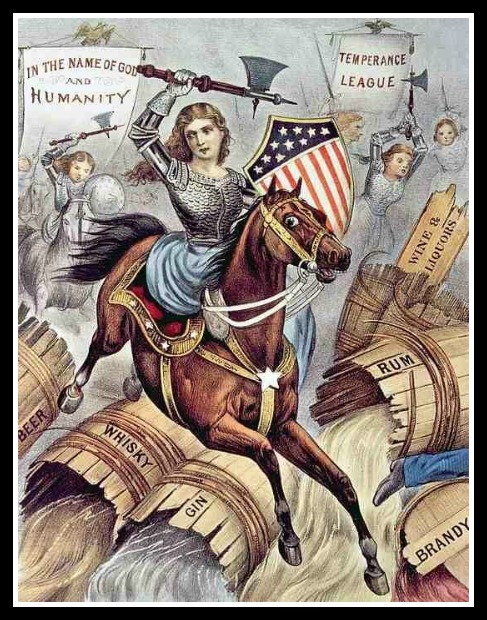
This Currier and Ives print predates Carrie by 25 years…yet check out the weapon of choice.
Throughout her life Carry had made choices based on what she felt was best not just for herself, but for others. She helped those less fortunate as best she could with free beds, food, any kind of assistance she could offer- always using her faith as a guide in her decisions. Because of her giving nature, she encountered many troubled families in need. In Medicine Lodge she became involved with the Women’s Christian Temperance Union and began to believe that the root of many family and societal problems was alcohol. The law in Kansas was on her side with this- at the time it was a dry state, although saloons and “joints”, as she called them, often received a blind eye as they carried on business.
At first, Carry tried to work within the law and work through the proper channels to close down any operating saloons- and was quite unsuccessful. She felt that God lead her to her next action and with the first stone she hurled in a bar in Kiowa, Kansas she launched herself into prohibitionist history.
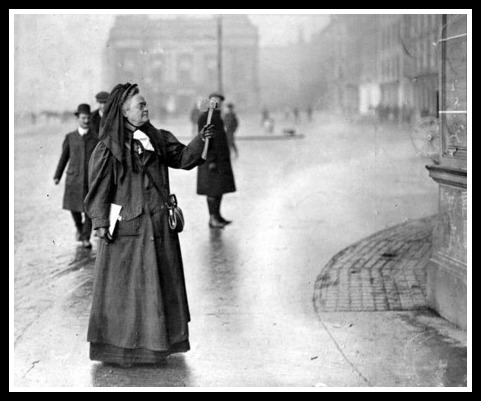
Carry setting about on her life’s work
After a successful run in her own corner of the state, Carry took her activism to Wichita. At that point, she was 54 years old, dressed in black from head to toe- she walked into the then Carey Hotel bar and smashed.
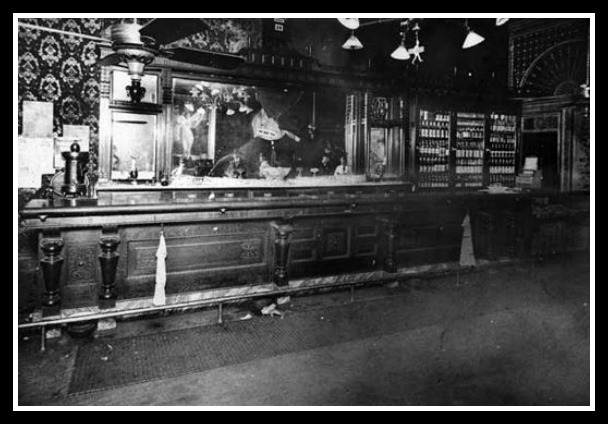
The Carey House Hotel bar after Carry got busy. (Note reflection of poor Cleopatra in broken mirror)
Did she get arrested for her antics? Oh yeah. Did she get followers from the publicity who emotionally, financially and any other ‘ally you can think of supported her? You betcha.
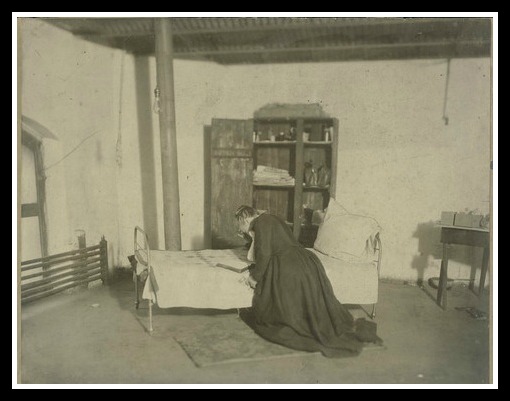
Praying during one of her maaaany days in jail. (Courtesy Kansas Historical Society)
She soon changed her weapon to a small hatchet which was easy to carry and effective for her mission, but also became a marketing tool along with with using her name- Carry A. Nation- to raise funds for her legal defenses.
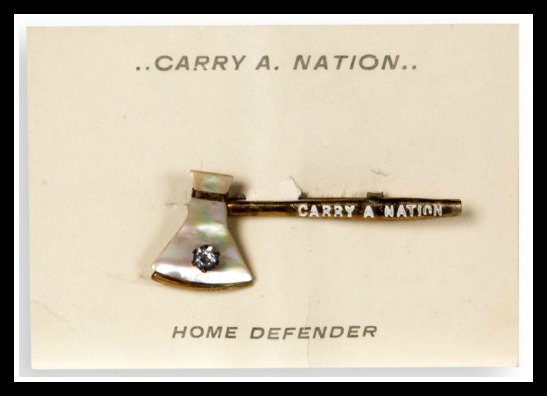
Hatchet pin sold by Carry Nation and her Home Defenders
For years she worked this Smash/Jail pattern which begs to be described as Carry Nation and the Home Defenders: Hatchetnation Tour. She spoke all over the country, joined the Vaudeville circuit and shouted her message from as big a global stage as she could find.
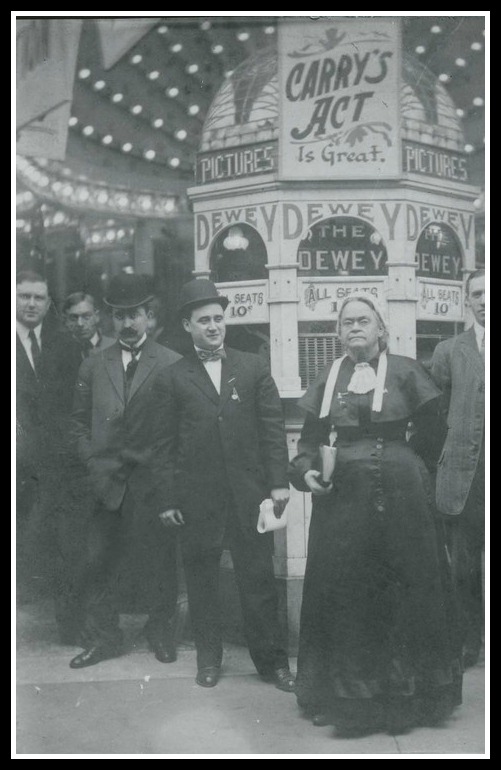
Vaudville days. It’s a great act. (Courtesy Kansas Historical Society)
David eventually divorced her on the grounds of desertion, but Carry didn’t seem to mind. She felt that God had put her in a miserable marriage so that she would be driven to do this, her life’s work. Her motives were pure- she believed that curbing the flow of alcohol was the only way to end crime, bring families back together, to end spousal abuse and abandonment- to help women and children.
Prohibition would prove her theory wrong, but she wouldn’t live to see that.
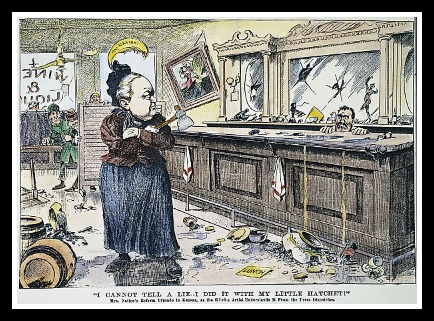
I cannot tell a lie, I did it with my little hatchet
Around 1909 her bloom was beginning to fade. She was turning from motivational powerhouse to object of ridicule so she and her daughter settled down in Host Springs, Arkansas and ran a home for widowed and abused women. In 1911 she collapsed on stage saying, “I have done what I could” and was transferred to a hospital where she died on June 9, 1911 at the age of 64.
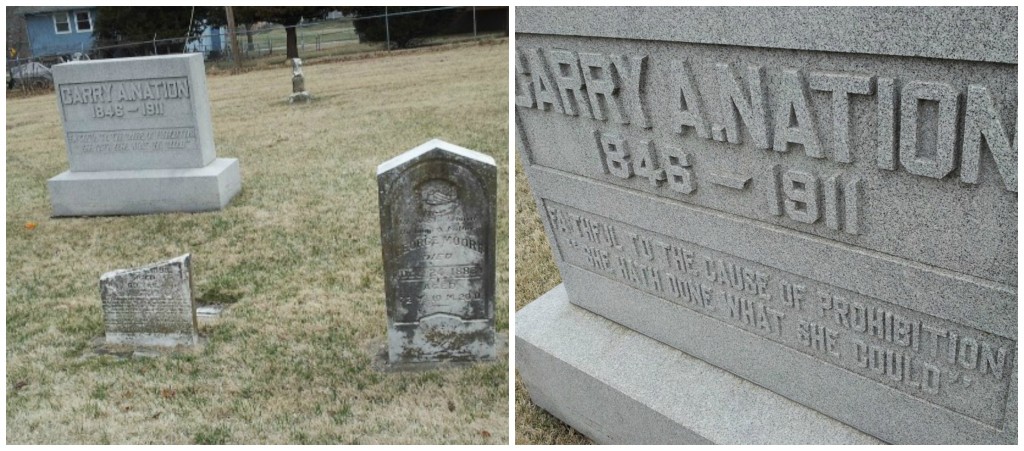
Carry was buried in the family plot in Belton. Missouri. The WCTU erected her headstone using her own words. Susan took these photos- Belton is very close to Kansas City
As part of their efforts throughout the country, the WTCU installed drinking fountains like this one honoring Carry nearby the former Carey Hotel in Wichita.
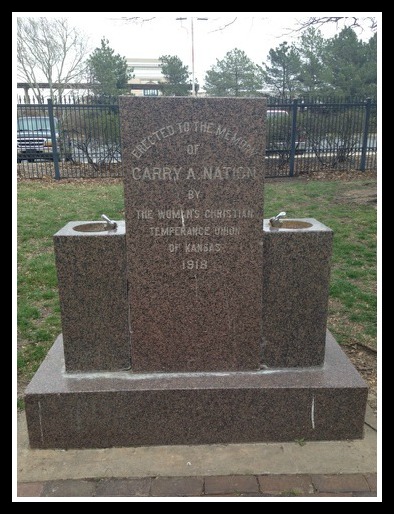
Beckett sent her husband to take this picture while she waited in the car.
TIME TRAVEL WITH THE HISTORY CHICKS
Kansas Historical Society has A LOT of documents, artifacts and pictures about Carrie, link will take you to introductory page, but click around for more. And if you find yourself near Belton, Missouri the Belton Historical Society has odd hours, so call before you visit.
If you are headed to Kentucky, The Carrie Nation house, where she was born, is listed on the National Registry of Historic Places, but isn’t open to the public.But don’t despair, the Oscar Getz Museum of Whiskey History is open to the public and Beckett will tell you that it’s worth the visit.
The Carry Nation House in Medicine Lodge, Kansas is open as a museum. This link is to other things you can do to make Medicine Lodge worth the trip. (Not endorsed by us, it’s really a haul from where we are and have never been, but please! Report back if you go!) 9 Things To Do In Medicine Lodge
The Women’s Christian Temperence Union is still an active organization. Link will bring you to their website, although directly to the page of water fountains that we had discussed in the podcast.
Opera fan? Oh, yes there is. SMASHED: The Opera
BOOKS!
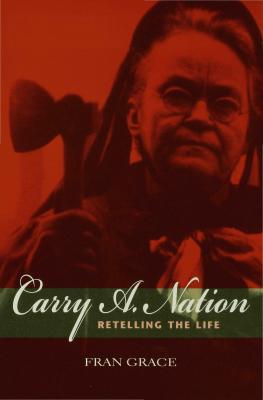
Carry A. Nation by Fran Grace

Cyclone Carry by Carleton Beals
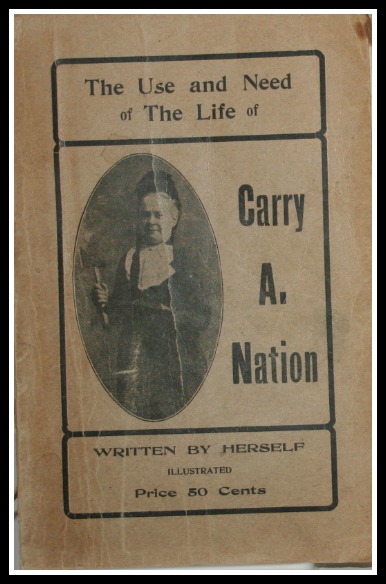
Carry’s Autobiography, The Use and Need of the Life of Carry Nation
This is available online…try Project Gutenberg
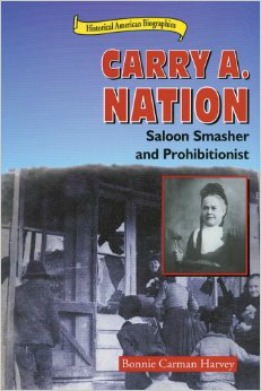
For the under 12 set (or those who like a very quick read) by Bonnie Carman Harvey
Profiles of Carry in both these very interesting and lofty tomes:
American Women’s Activists’ Writings edited by Kathryn Cullen Dupont
Women Vaudville Stars by Armond Fields
Fascinated by Prohibition? Ken Burns six Hour Documentary is available as is this related PBS link, but give these books a try, too.

Thirteen Years that Changed America By Edward Behr
As always, music come courtesy of Music Alley. Visit them at Musicalley.com
by The History Chicks | Apr 7, 2014 | Biography Episode, Episode, Podcasts
We continue our series on ancient Egypt by traveling ahead in time over 1400 years from Hatshepsut for a chat about Ancient Egypt’s last great ruler, the Queen of Kings -Cleopatra VII.
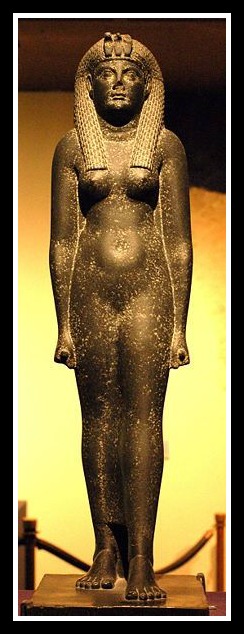
Cleopatra, Queen of Egypt (courtesy Museum Syndicate)
Between the two rulers there was not only a great deal of time, but a great deal of change. By the time Cleopatra is born, Egypt is no longer ruled by Egyptians but instead by Macedonian Greeks, who were put in place during Alexander the Great’s land grab about 300 years prior.
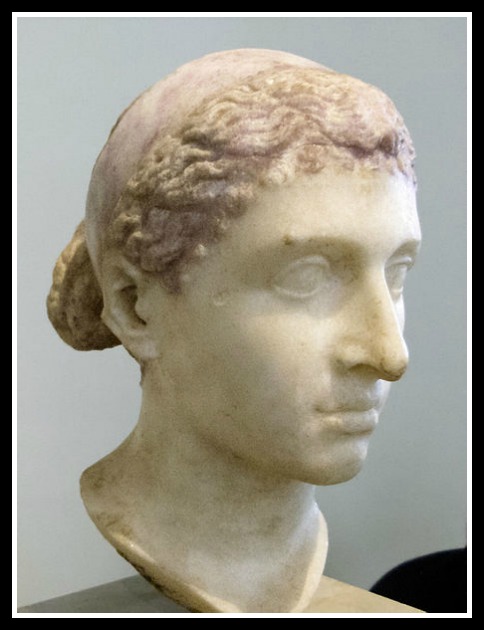
Bust of Cleopatra VII, Altes Museum, Berlin
The family that Cleopatra was born into is, by modern standards, pretty dysfunctional. But not by their standards, and really isn’t that what’s important? We cover the whys and hows during the podcast but it was common for brothers and sisters to marry and for all of them to play a life or death game of Survivor to determine who the would next sit on the throne. (Do not play Musical Chairs with a Ptolemy)
But before Cleopatra would have all her story arcs, challenges, schemes and victories, she was a little princess. Born Cleopatra VII Philopator, the third child to father Ptolemy XII Auletes and mother, his Great Wife (also most likely his sister or half sister) Cleopatra Tryphaena V. She was raised and educated by tutors in Alexandria and learned to read and write in Greek. She learned art, philosophy, science and drama, and proved herself forward thinking by learning nine languages including one that the rest of her family didn’t know: Egyptian.
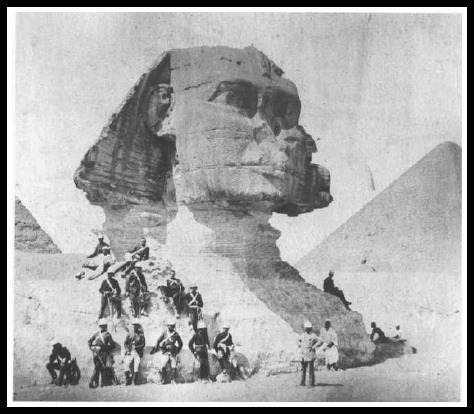
Egyptian Itty Bitty Kitty- the Great Sphinx was almost 2500 years old when Cleopatra was born.
Of course we go into what we know of her childhood and the scheming by family members to take over rule from her father. He officially named Cleopatra and her husband/brother Ptolemy VIII as co-rulers upon his death. When she took the throne, Cleopatra was 18 and the Egypt that the pair inherited is a bit of a mess. Famine and the pesky Roman Empire breathing down Egypt’s neck didn’t make the future look all that bright. A clever smear campaign by her brother’s advisers and soon Cleopatra was forced to hit the road, hang out in Syria, and wait for the right moment to strike.
But the same men who who drove her out of Alexandria made a misstep with Julius Caesar who had arrived in town. Cleopatra took a moment of faux pas confusion to come back to Alexandria, sneak into the palace to see Caesar (legend says rolled up in a rug and unfurled at his feet, but it might have been an unromantic burlap sack)…and the rest really is history. Cleo and Jules errr… combine assets, shall we say? As always, we go into greater detail in the podcast, but her co-ruler/brother/husband P13-died fleeing Alexandria, she is reinstated to the throne, has to marry another younger brother…and within a year she gave birth to Ptolemy Caesar known as Caesarion- Julius Caesar’s son.

Granite head believed to be Caesarion
Caesar headed back to Rome and was handed a sweet dictatorship for all his victories. Cleopatra decided to visit him and bring their son along to try and get him named Caesar’s heir. The trip wasn’t entirely successful (Understatement City): There is a bit of embarrassment involving Cleopatra’s remaining sister, Arsinoe, as well as quite a bit of of gossip and rumors about Cleopatra and Caesar. And then this happened.
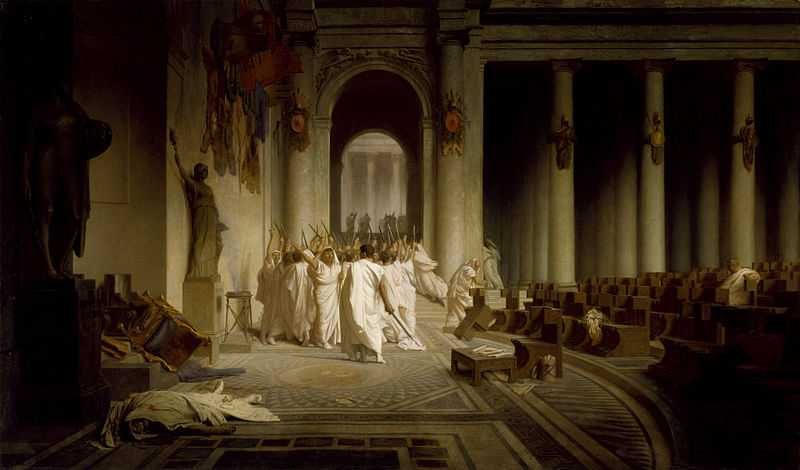
Et tu, Brute? Death of Julius Caesar by Jean-Leon Gerome
Caesar had named his nephew, Octavian his successor.
Dangit.
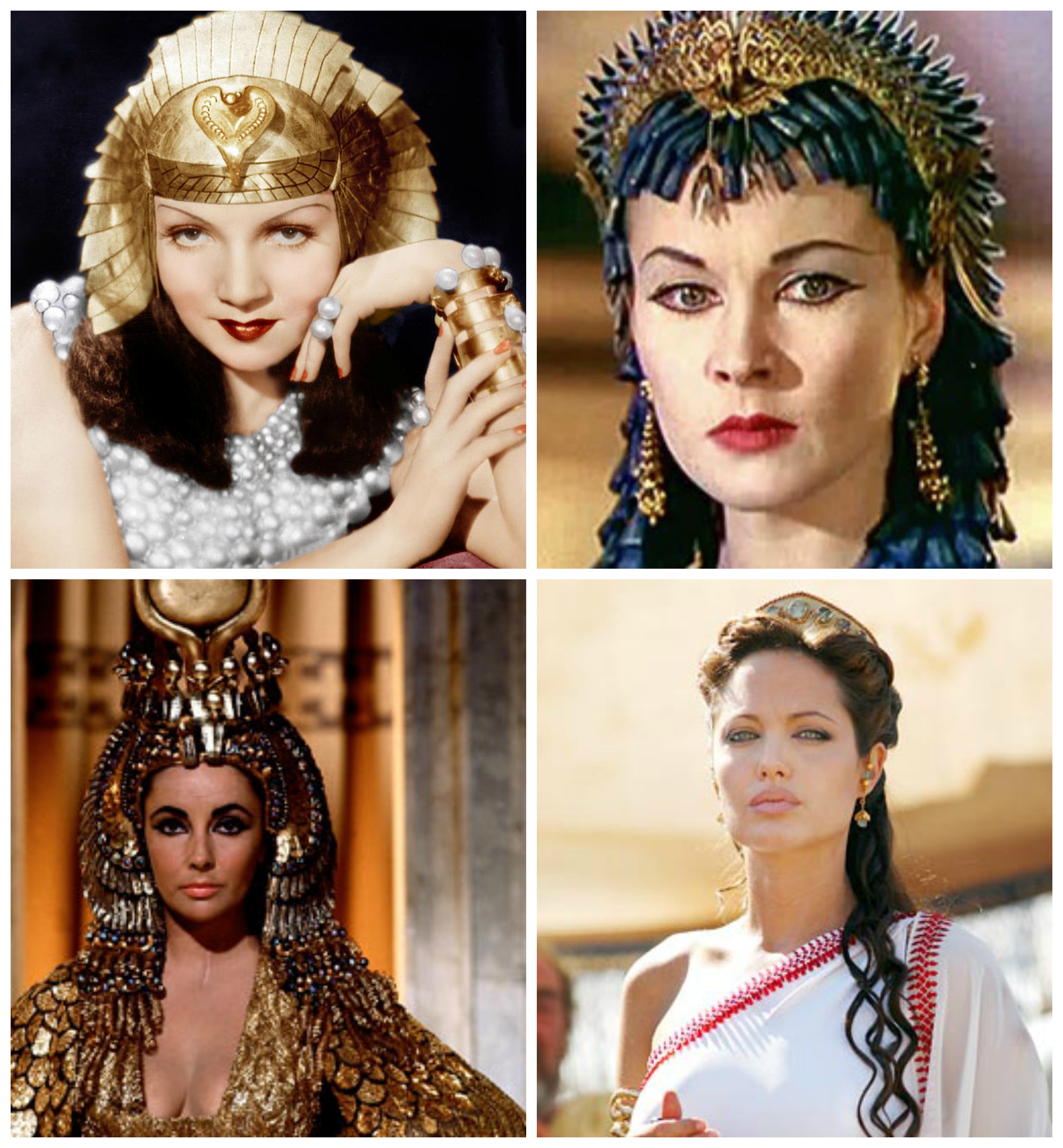
Cleopatra is about 28 and her husband/brother is still co-ruling but she would prefer that her son sit next to her, so…in family tradition-boom. Done. Cleopatra wants what Cleopatra wants, right? Right. The woman made things happen, got to give that to her. But she also needs an ally in Rome. Enter womanizing, party boy with an ambitious streak and some serious battle cred- Marc Antony. This is the relationship for the ages! How did Cleopatra catch the eye of this man? Was it her famous looks? Probably not. Eh? While scholars don’t know exactly what Cleopatra looked like, we all know, right?
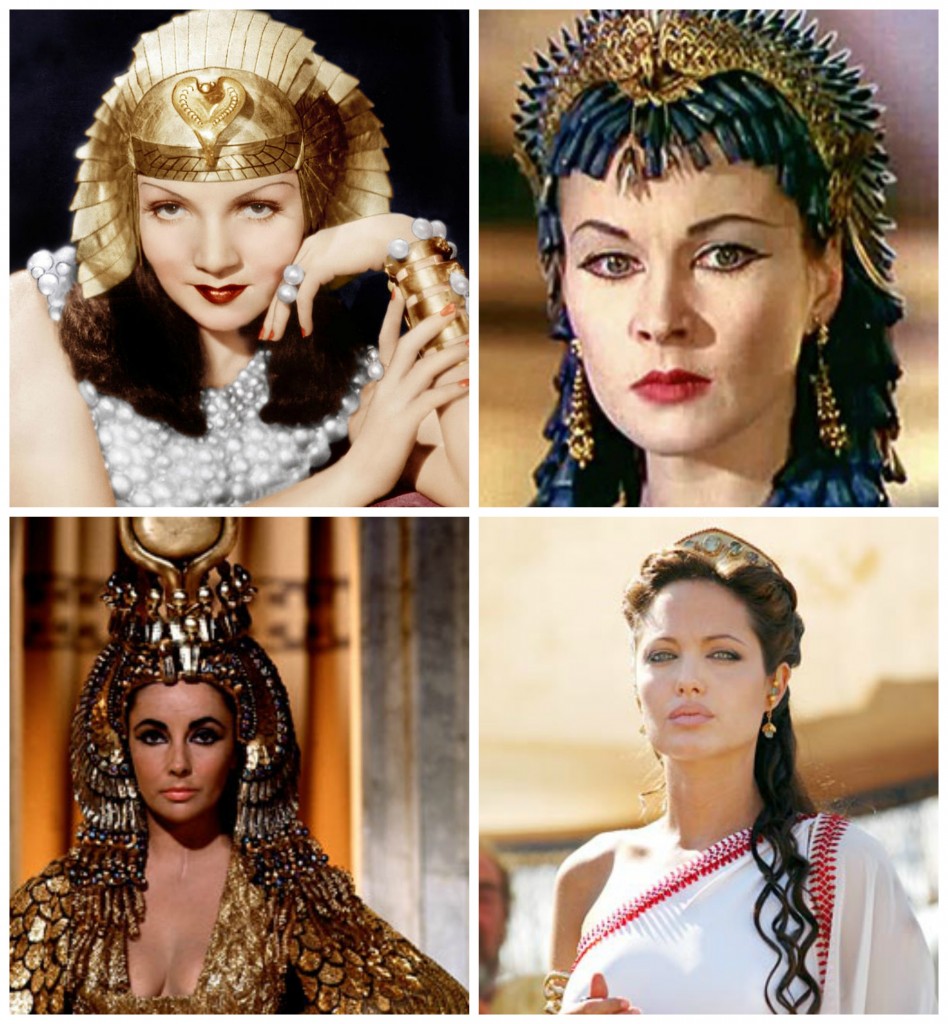
Faces of Cleopatra? Claudette Colbert, Vivian Leigh, Liz Taylor and Angelina Jolie (movie in production)
Um, no. Here she is on one of her coins.
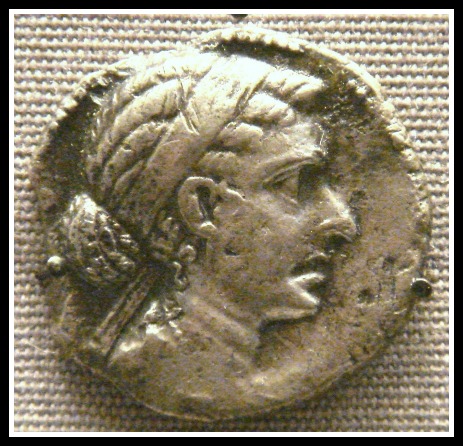
Cleopatra coin
But she was smart, confident, politically savvy, cunning and charming – those qualities add up to one beautiful, powerful and compelling woman. While her ability to finance them certainly didn’t hurt her chances she most likely won both Julius Caesar and Marc Antony over with her brains, confidence and personality… as all women should .
Yes, we say that.
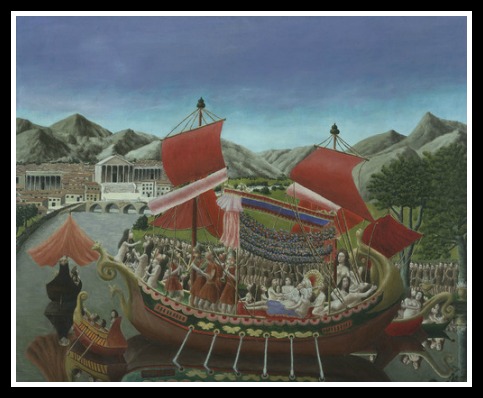
She had a flair for the flashy that might have helped to catch her men’s eyes. Cleopatra’s Barge, by Andre Bauchant
She did also play to Antony’s weaknesses- women, money and bawdy behavior. For quite awhile the pair played house (and by house, we mean palace) in Alexandria. But he had to head back to Rome at some point, his (soon to be deceased) wife had made a bit of a war mess on his behalf and -long story short- he was politically forced into marriage with Octavian’s, sister…right about the time that Cleopatra is giving birth to his twins, Cleopatra Selena II and Alexander Helios.
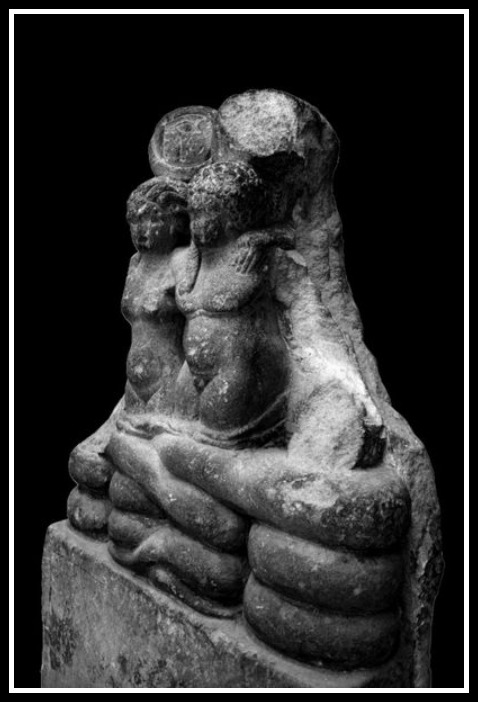
Statue of Cleopatra’s twins
There would be one more child, several power struggles and some raised eybrows when Marc Antony left his wife for Cleopatra and handed territory to his children and Cleopatra more power which leads to a very happy Egypt. But things turned for our super couple and the end game was launched by frienemy, Octavian: the Battle of Actium where Antony and Cleopatra are overcome by Octavian’s forces.
Octavian is reported to tell Cleopatra that maybe they can do business if she takes care of Antony and gets him out of the picture. She can’t do it. Instead she sends word to him that she has died (or maybe she did no such thing…ahh, the joys of looking back through time) – and he does it himself. However it happened, the result is the same-the man threw himself on his sword!
Cleopatra, knowing that she will die at the hand of Octavian, become his prisoner or have to watch her children die- kills herself. The snake, right? Maybe not. Some evidence suggests hemlock and opium but that result was the same as Marc Antony’s: at the age of 39 Cleopatra died and ended the reign of the Pharaohs.
Rome took over rule of Egypt after her death and a lot of her statues were destroyed. Antony’s former wife, Octavia, raised the twins and Ptolemy Philadelphus; Caesarion is murdered by Octavian. Octavian becomes Rome’s first Emperor and changes his name to Caesar Augustus I. Cleopatra’s tomb and mummy has not been found.

The remains of Cleopatra’s kingdom have been discovered off the coast of Alexandria.
Because…Legos rule.
Time Travel With The History Chicks
We’ve combined the media for both Hatshepsut and Cleopatra into one list: You know we love a good online museum trip and you can get your click on looking at the Hatshepsut collection at the Metropolitan Museum of Art.
Hatshepsut’s temple, Djeser-Djeseru, is still standing and open for visits. Click the link for descriptions, photos and maps of the layout of this surprisingly contemporary looking architecture.
This National Geographic site is about a traveling exhibit and full of intel (including one of the books that we recommended), Cleopatra: The Search for the Last Queen of Egypt
As far as movies go, the biggies you certainly know about- Claudette Colbert, Vivian Leigh and of course, Liz Taylor. But how about this version on YouTube with Billy Zane and Timothy Dalton?
Books!
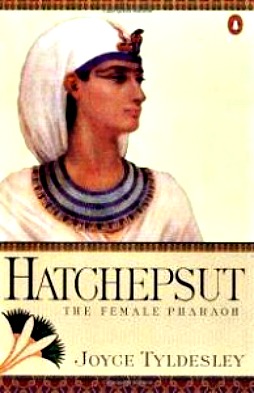
Hatshepsut: The Female Pharaoh by Joyce Tyldesley
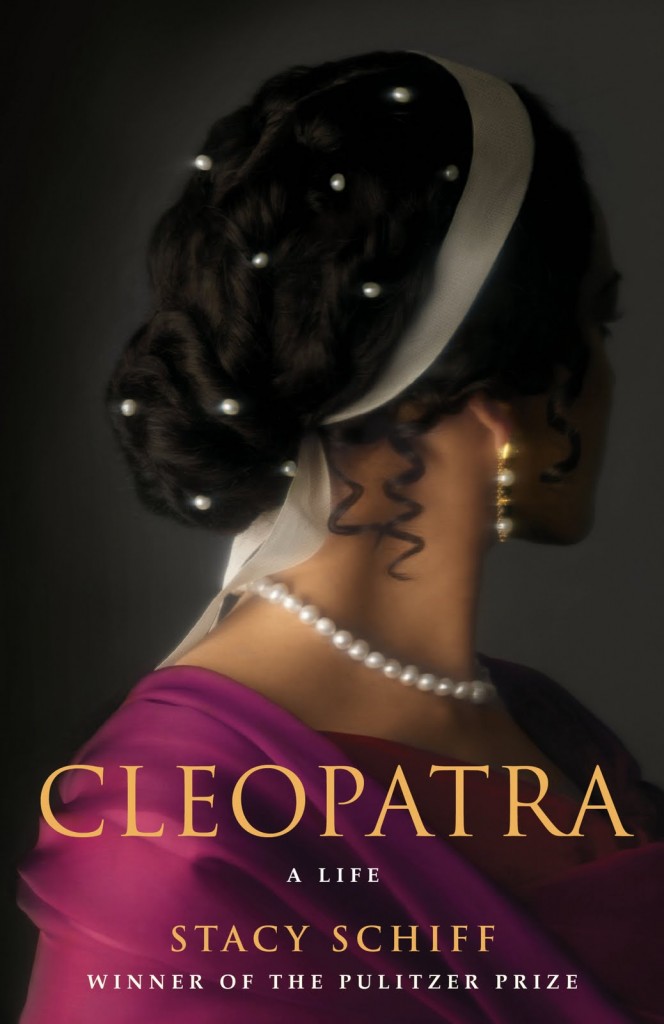
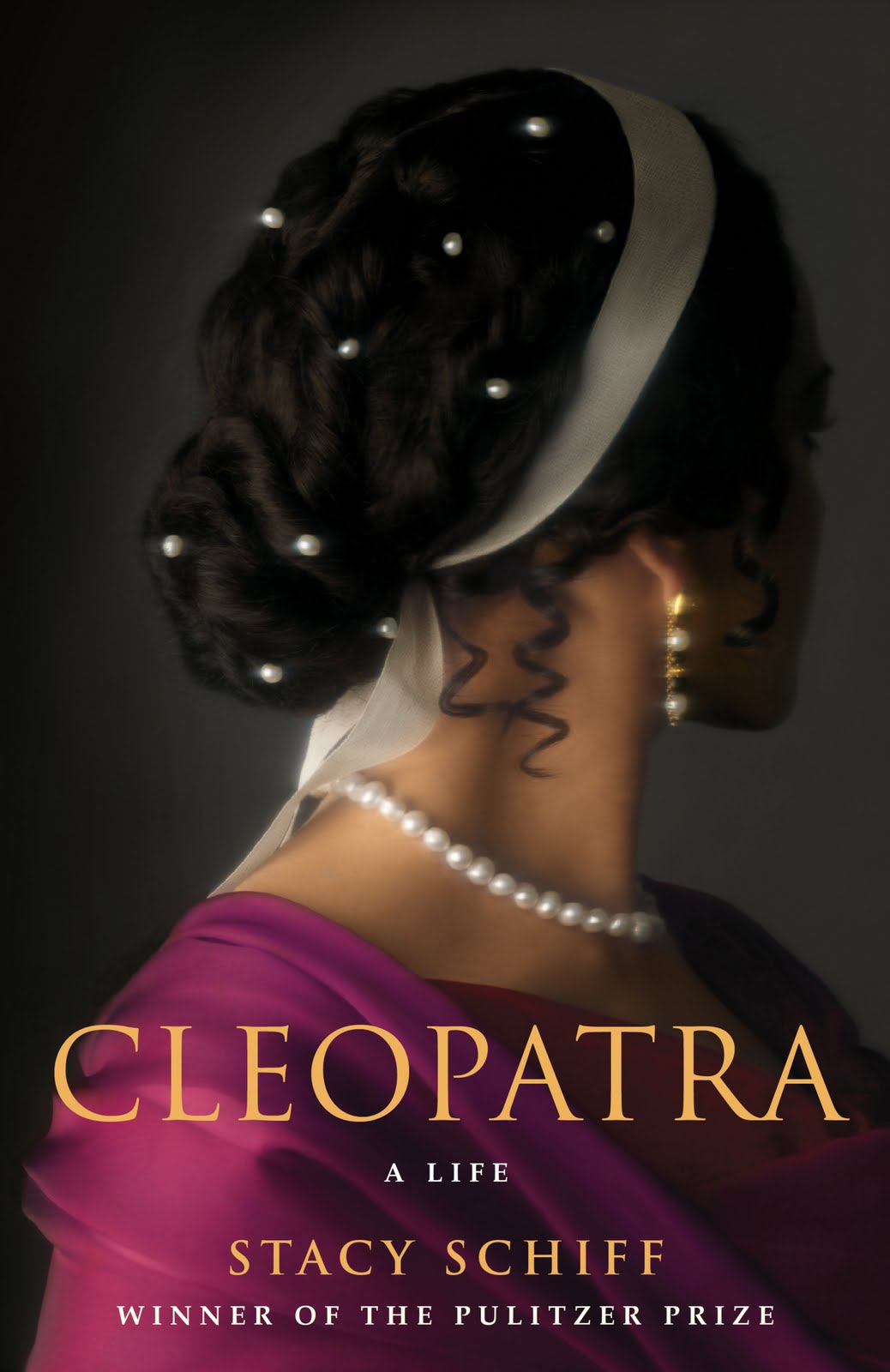
Cleopatra: A Life by Stacy Schiff (This is the one that the upcoming movie with Angelina Jolie is based on)
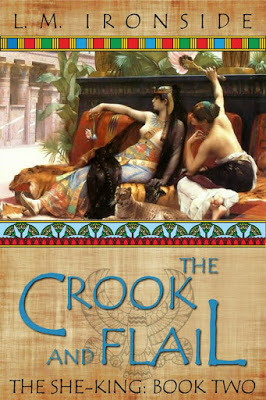
The Crook and Flail by LM Ironside

The Artifact Hunters Series
For the young set:
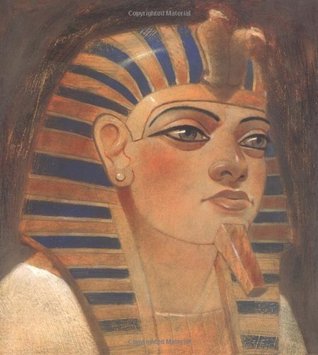
His Majesty Herself, by Catherine Adronik
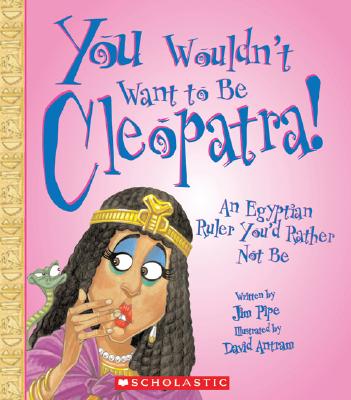
You Wouldn’t Want to be Cleopatra by Jim Pipe
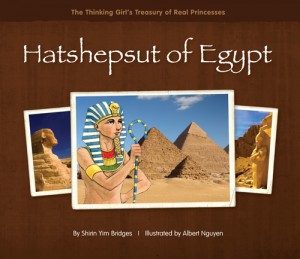
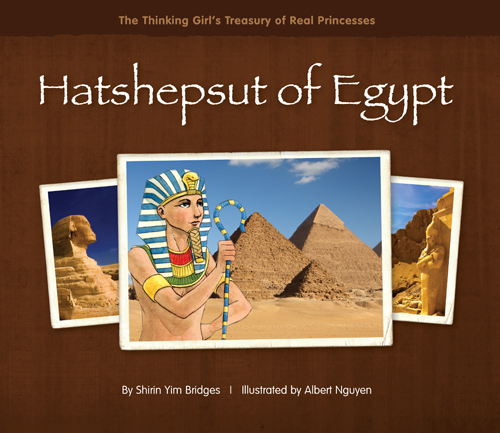
Excellent series- The Thinking Girls Treasury of Real Princesses by Shirin Yim Bridges and Albert Nguyen
And our favorite book about looking way back from the now (and kids like it, too):
Motel of the Mysteries by David Macaulay
Our friend Emily, the one who asked us to cover Cleopatra, recommended this book although neither of us got around to reading it but if there is one thing that Emily knows it’s good books. We trust her. Historical Fiction for Cleopatra:
Hand of Isis by Jo Graham
Podcasts! There are a few that you might enjoy if you would like to know more about the eras, countries and lives surrounding these women- The Egyptian History Podcast History of Rome Podcast History of Our World
As always, music provided by Music Alley. Visit them at music.mevio.com
(Closing song: Human After All by Stars and Skylines)
by The History Chicks | Mar 21, 2014 | Biography Episode, Episode, Podcasts
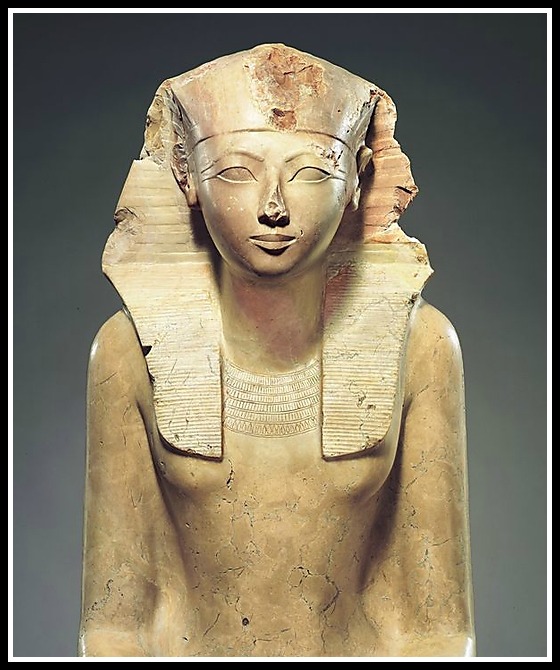
Go back in time. No, farther. Farther! We are talking about a woman who only missed sharing the planet with the last of the woolly mammoths by a couple hundred years. A woman who was born an Egyptian princess, and grew to become a king: Hatshepsut.
We begin this episode with not only a disclaimer that scholars can’t agree on a lot of things that happened back in the days of Pharaohs but of Ancient Egyptian life itself. While people may, essentially, want similar things from life now as then- the culture of the times was a weeee bit different. We don’t go into too deep of an explanation- just the basics to better understand Hatshepsut’s life.

Looking at the waaay past from the present is often confusing. The Great pyramid of Giza, built about a thousand years before Hatshepsut was born, as viewed recently. (Courtesy Tripadvisor)
Born about 1508 BC, Hatshepsut was a daughter of King Thutmose I and Queen Ahmose, he a military man given a royal wife (and likely his half-sister) and the crown of a Pharaoh. Children followed from Ahmose (his Great Wife) and various lesser wives. The boys were raised as potential heirs to the throne, and the girls were raised for their future as queens. As always, we go into a lot more detail on the podcast, but the nickel tour says this: Hatshepsut and her father were close. By all accounts he closely supervised her education and took her places that a typical Queen-in-Training wouldn’t need to know or see, only a future ruler would.
At a young age Hatshepsut was married to her brother (common at the time, don’t freak out- it ensured a royal bloodline and kept out pesky in-laws) Thutmose II. When her father died, she became queen. King Thutmose II was a perfect partner for her because he let her do as much as she wanted. And she wanted. She had a daughter by him, and he had children (with concubines) including Thutmose III (creative with the names, right?). When her husband/brother died this son became king and Hatshepsut his regent.

Thutmose III and Hatshepsut- she is the taller figure decked out in Pharaoh garb.
But, ahh, Hatshepsut claimed that her father had said SHE was to be Pharaoh and the god Amun had visited her mother while she was pregnant with Hatshepsut and insisted the same. Hatshepsut, who had been doing the work, took on the uniform. There was precedent for a female Pharaoh, although the couple of times that it had happened before weren’t reigns of great success.
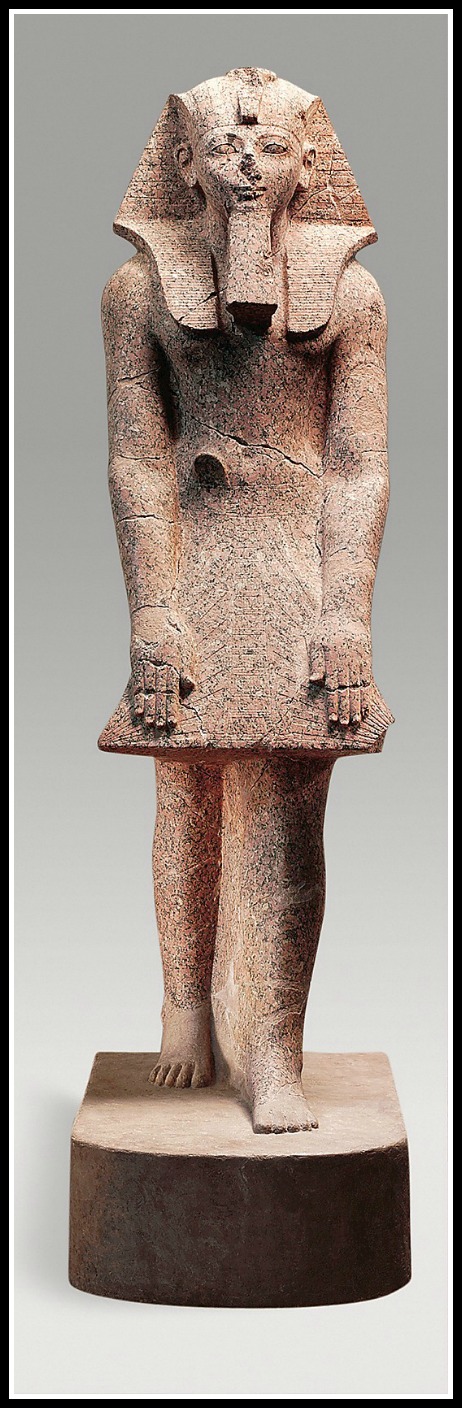
Hatshepsut dressed in Pharaoh-wear.
(Courtesy Metropolitan Museum of Art)
But none had the successes of this one. During her approximately 22 year long reign, Hatshepsut led a very prosperous Egypt to even greater power. Not necessarily by military action, but by diplomacy. She filled the fiscal coffers, engaged in trade with neighboring countries, and set out on expeditions to faraway lands. Her most successful expedition was to the Land of Punt. No one is sure exactly where this fabulous place is now, but the ships had to travel and someone knew the route.
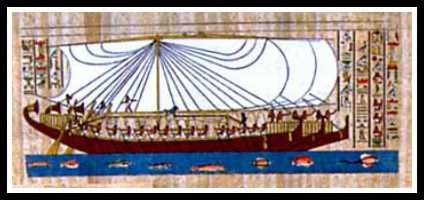
Voyage to Punt
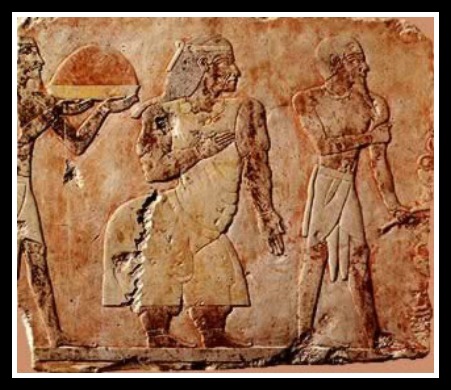
Images depicting those from Punt. Puntians? Puntalicious? Punts?
With her longtime, er, compadre Senemut at her side (he had various roles in her life from servant to advisor to companion) she went on a building bender, including her temple, Djeser-Djseru which is fabulously sleek and contemporary looking even by today’s standards.
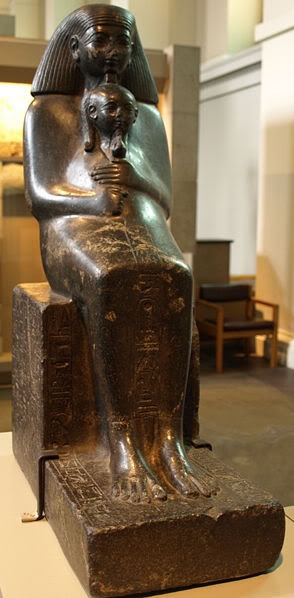
Senenmut and Princess Neferune (on display at the British Museum)

Hatshepsut’s temple
When she died (and oh, do we speculate how that happened) something strange happened to the long list of accomplishments and life led by this remarkable woman: she began to be chiseled out of history. Pharoah Thutmose III (you remember him, the guy who was passed over for the role 22 years ago?) may have been a little miffed at his step-mom. By the time the rest of the world uncovers (literally, it was buried in sand) her life when hieroglyphics on her temple wall can be read, her image has been chipped off of artifacts, her sarcophagus had been moved, and the obelisks that she had erected to commemorate her life are hidden.
Was it an evil plot by men to wipe her out of history because of her gender? Was it mere revenge by Thutmose III who believed that by erasing her memory in this life, she was doomed in the afterlife? Or was he trying to make HIS OWN bloodline appear deeper royal than it was to insure the succession of his son, Amenhotep II to the throne?
Her body wasn’t discovered until the early 2000’s, in Tomb KV60 . Modern technology aided in identifying her.

An x-ray of the mystery mummy who was identified as Hatshepsut because of missing tooth.
Everything that is known about Hatshepsut has been put together like the most difficult of puzzles because a great deal of the information about her reign was destroyed. Even now, Hatshepsut’s legacy is confused with others….
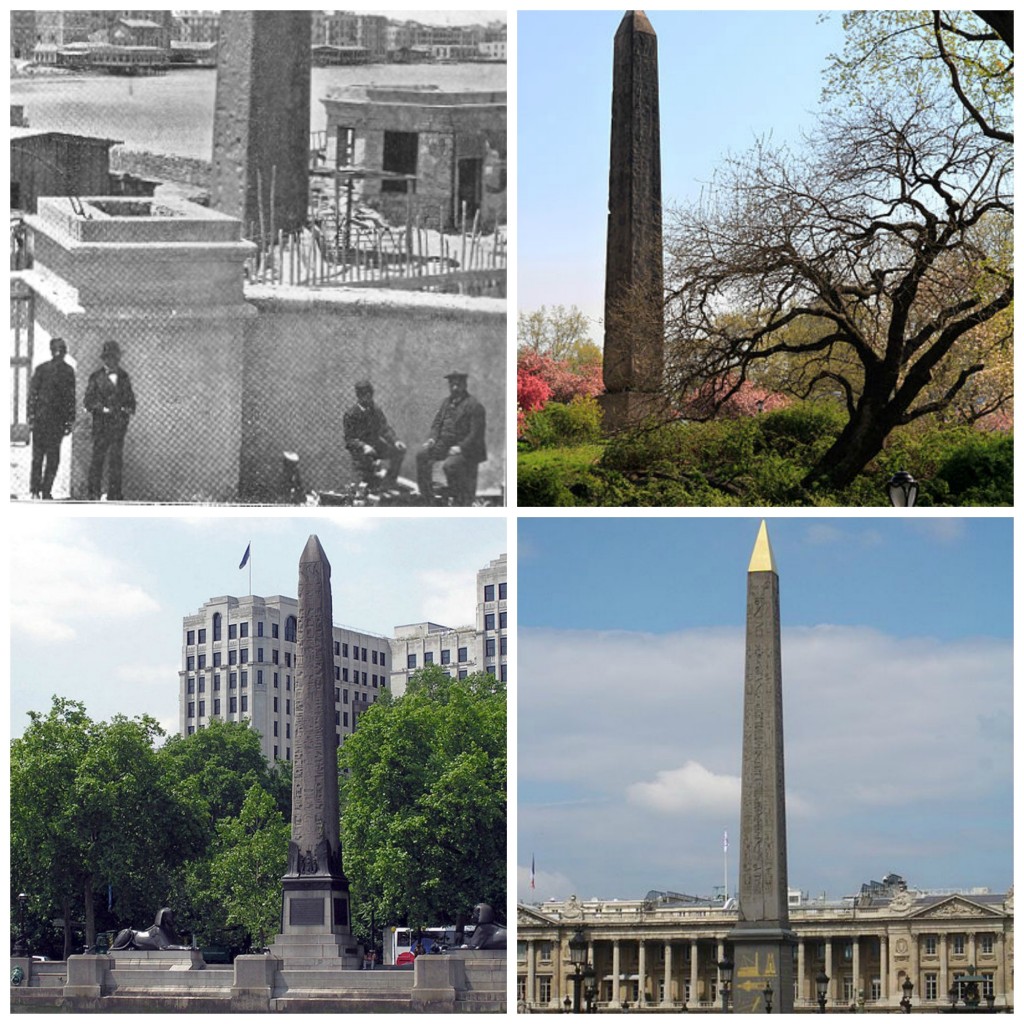
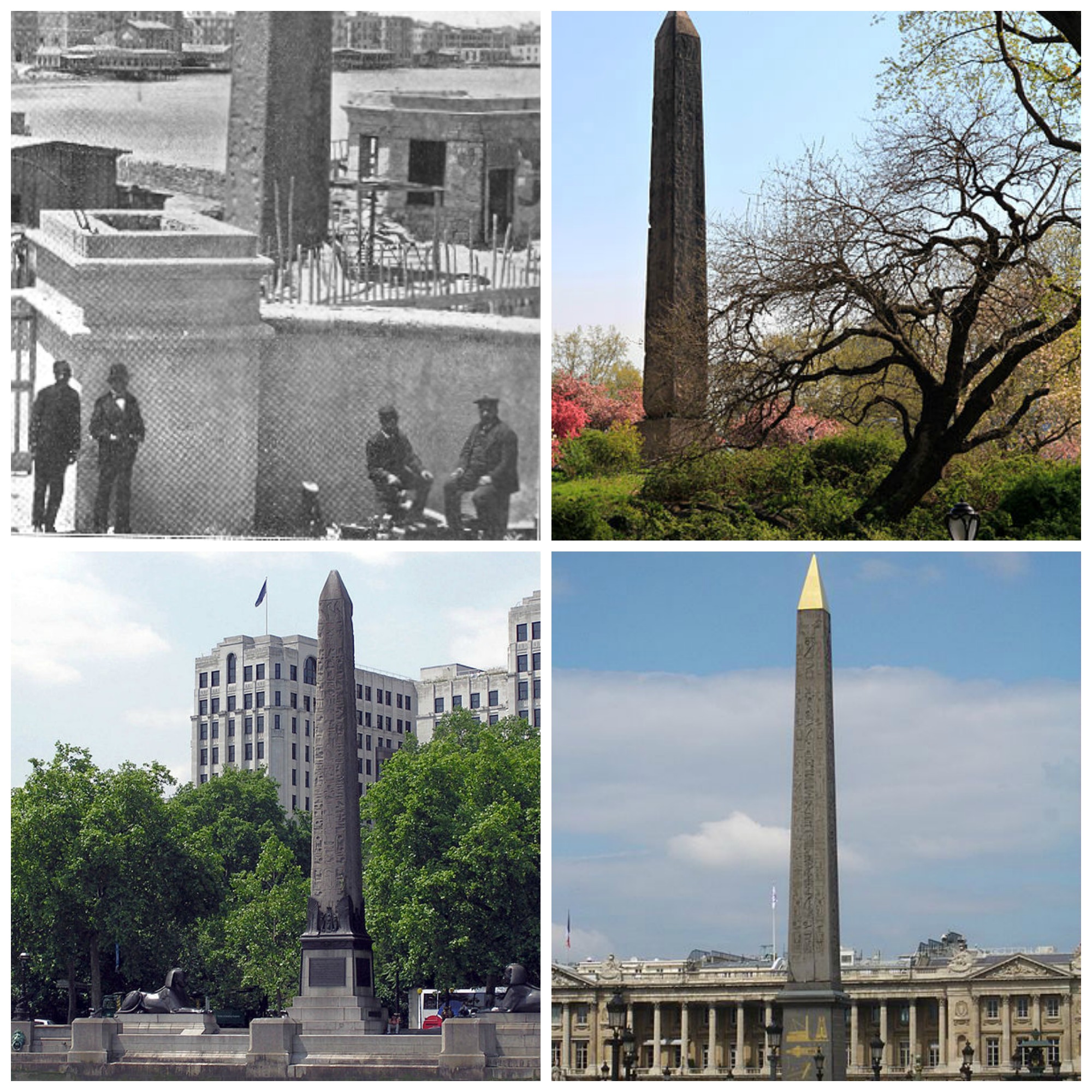
A story of some obelisks: found in Egypt and now residing in New York, London and Paris. Entitled Cleopatra’s Needles, they all pre-date Cleopatra. The pair in NYC and London are the ones Thutmose III erected as copies of Hatshepsut’s great triumphs.
Come back for our next episode where we travel forward in time over 1400 years…and find ourselves still in ancient Egypt.
Time Travel With The History Chicks
We will list any media with the next episode in our series, Cleopatra. But we wanted to leave you with two contemporary media images of Hatshepsut.
Horrible Histories as a whole Awful Egytians series!

From 2014’s Mr Peabody and Sherman movie, Penny is dressed as Hatshepsut ready to marry King Tut…who wouldn’t be around for another 100 years or so after her death. Don’t get your history from Hollywood, kids.
As always, music comes courtesy of Music Alley. Visit them at music.mevio.com
by The History Chicks | Feb 10, 2014 | Biography Episode, Episode, News, Podcasts, Shownotes
Welcome to part two of our chat about Elizabeth I. When we left, our fair princess had overcome 25 years of uncertainty. During her youth, Elizabeth’s future had been uncertain, her place in court uncertain, even her ability to keep her head was, at times *coughmarycough* uncertain. She had outlived the rules of her father, her half brother and her half sister. She had even been used to assist in getting a cousin who really had no reason to wear a crown, off the throne.
And now that she had outwitted, outlasted and outplayed these people-Elizabeth was crowned Queen of England.
*cue trumpets*
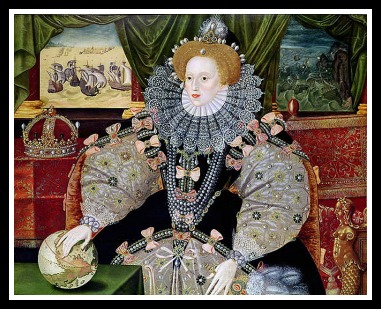
Elizabeth, Armada Portrait
The country that she stepped up to lead is kind of a mess, and the big elephant in the room making the biggest piles of mess: the aftermath of the religious turmoil created by her father and perpetuated by her half-sister.
We spent a nice chunk of the first episode talking about the early stages and some long lasting issues of her reign including many years of playing Tudor Suitor, a game where she juggled contenders for her hand brilliantly…but none would win it.
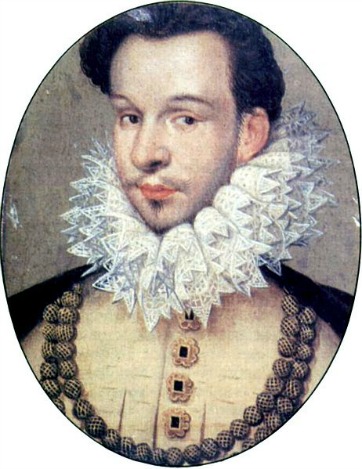
One major contender: Francis, Duke of Anjou (by Nicholas Hilliard)

Elizabeth and Robert DudleyRelationship Status: It’s Complicated
We spend a bit of time talking about three things that defined the Elizabethan age: Gunpowder, Printing and Compass, and we give you a nice thumbnail sketch of the relationship between Mary, Queen of Scots and cousin Elizabeth (talk about complicated!) We also rant on about the CW show Reign and how any historical fiction should be taken with a grain of salt yet can be an excellent gateway to learning what really happened. It’s a good lesson, bring the kids.
We tend to stay away from talk of war, battles and such aren’t something that usually affects the women we discuss- but oh! Elizabeth was the head of navy and LO! There is a mighty famous battle that she was a part of, the Spanish Armada. We give you our spin on this historic event (spoiler: The English are triumphant but it may not have been because anything they did.)
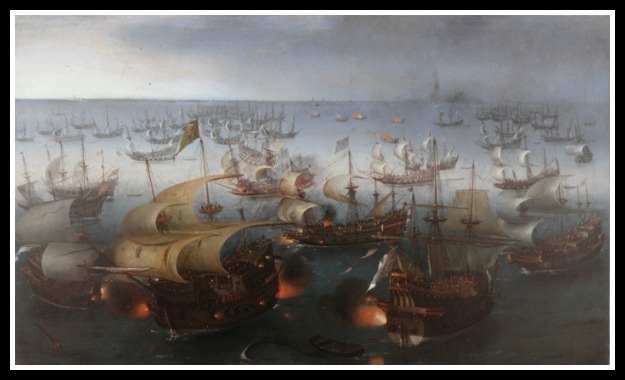
Battle of the Spanish Armada- England and Spain (Henrick Cornelisz Vroom)
Most of Elizabeth’s reign was very successful. She created an environment where her people were able to relax a bit, she encouraged the arts and those who created it. She was a powerful and masterful ruler who was extremely devoted to her subjects. The end of her rule wasn’t quite as successful. Events within as well as beyond her power worked together and there was that pesky issue of her never marrying, therefore never bearing an heir to take over when she died. Towards the end of her life this was great concern to many. We do talk about why and what she said in her famous Golden Speech, as well as what we thought she was like. Yes, speculating. It’s fun, you should try it.
On March 24, 1603 at the age of 69 and after 44 years as queen Elizabeth, surrounded by those who had been loyal to her, took her last breath.
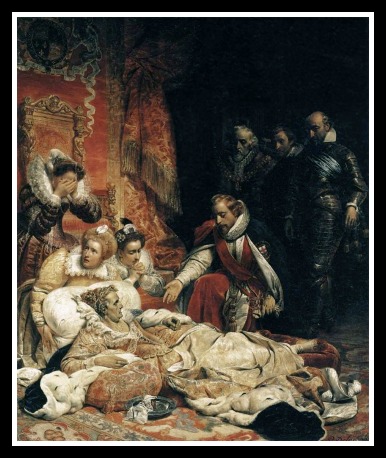
The Death of Queen Elizabeth (Paul Delaroche maaaaany years after her death- we talked about this painting in the episode)
But we don’t want to remember that Elizabeth. We would like this image to linger instead. A woman who remembered and learned from her past, lived wise in her present, whose legacy lives on in her future (and took some secrets with her to the grave).
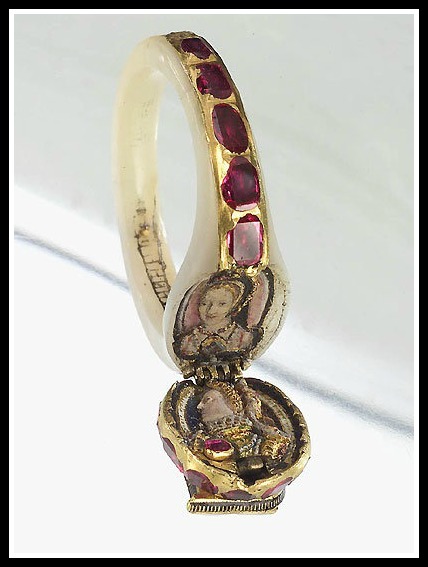
This ring was on her finger for many years, inside a portrait of herself and of her mother
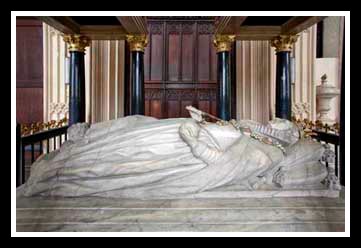
Elizabeth’s tomb (courtesy Westminster Abbey)
TIME TRAVEL WITH THE HISTORY CHICKS
For all media recommendations and links, please see Shownotes Episode 44, as well as any other Tudor episodes that we have done in the past. There is a feast of information in there worthy of an inquiring mind as great as Elizabeth’s.
As always, music provided by Music Alley. Visit them at Music.mevio.com
End song for this episode: Introit” by Hazlitt
by The History Chicks | Dec 20, 2013 | Biography Episode, Episode, Podcasts, Shownotes
She was called many things: Princess, Bastard, Gloriana, Good Queen Bess, and the Virgin Queen. We add to our Tudor series this chat about the extraordinary life and reign of Queen Elizabeth I.
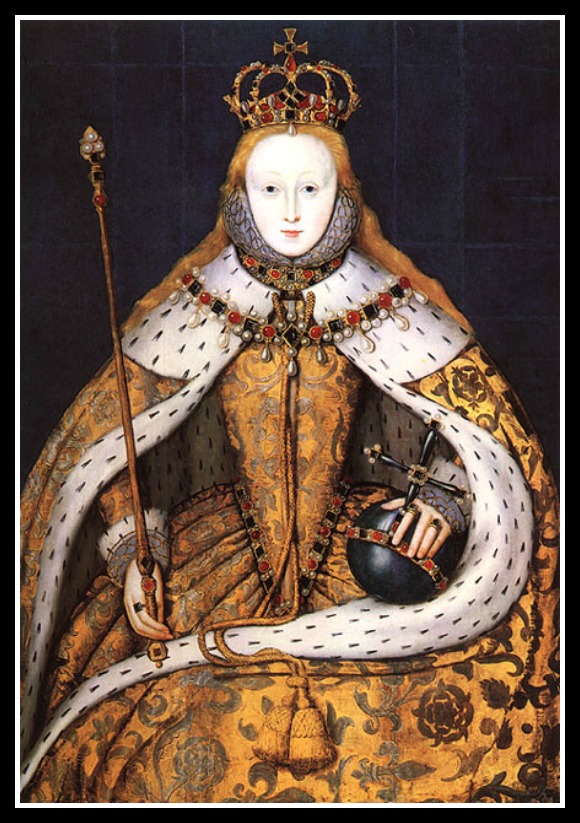
Queen Elizabeth I in her coronation robes
So long was our talk, that we have broken Elizabeth’s story up into two episodes. This first one will cover her life until she is crowned, and the next until her death and beyond.
Some of you are thinking, “Wait, Chicks, didn’t you talk about Elizabeth before?”
Yes, we did, but only her life as it related to others: her parents, Henry VIII and Anne Boleyn, her stepmothers including Catherine of Aragon, cousin Lady Jane Gray and her half sister- Queen Mary I. If you have not listened to those episodes, you might like to and gain a fuller view of how her life intertwined into those stories.
Henry VIII was married for 24 years to one wife, Queen Catherine of Aragon. This marriage produced only one child- Elizabeth’s half sister, Mary. Henry, desperate for a son to carry on his bloodline, pulled some serious political and religious chess moves to divorce Catherine and marry Anne Boleyn who was- at the time of their secret wedding- pregnant with Elizabeth. She was born on September 7, 1533.
So, okay, Hank wanted a boy. But Anne could get pregnant, let’s try again.
And again.
And again.
When Elizabeth was two years old, her father figured out a way to get a male heir: be rid of Anne on trumped up charges and marry someone else.
Hey, it was a plan. And it worked…maybe not so well for Anne or Elizabeth but they were never Henry’s primary priority. Wife #3, Stepmother #1- Jane Seymour had the good fortune to give birth to a male heir, Prince Edward- and then she died of complications from childbirth. Okay, maybe that wasn’t entirely good fortune- but Henry is on to his next wife…and his next until Stepmom #4-Katherine Parr, who is the only one of the six to add “widow” to her title. Henry VIII died.

A young Elizabeth by William Scrots
We do go into all the details of Elizabeth’s upbringing in the episode. She was raised to live at court, and she did have moments of happiness in her childhood. She was bright, inquisitive, educated and well liked from a very early age. She also was pretty much ignored by her father except for a modest to small allowance during his life.
In his death, she became third in line for the throne and was a very valuable commodity. This was realized by her then stepfather-ish, Thomas Seymour. Oh, we had a great deal of fun at ol’ Tom’s benefit. He doesn’t make it very long into the story- he is executed for charges that were not trumped up. As Elizabeth herself said, “Today died a man of much wit and very little judgement.”
First to rule after her father: King Edward, her half brother. Elizabeth and Edward were fairly close in age and raised togetherish (as much as the royal dysfunction allowed). Edward died about 6 years after becoming King- he was only 16.
For a very brief time, Lady Jane Gray was put up as his replacement (oh, that was a doozie of a story- we cover it in the Lady Jane Gray minicast) and Elizabeth’s older half-sister Mary needed Elizabeth to help her get her to her rightful place. After Queen Mary succeeded in getting crowned, she had very little use and a big dose of mistrust for Elizabeth. After a term in the Tower, Elizabeth is sent off to life at Hatfield House for the majority of Mary’s reign (of terror, we are talking Bloody Mary here. Okay, if you want the real details, go listen to the Queen Mary I podcast).

The Tower of London from the River Thames…not Elizabeth’s favorite residence.
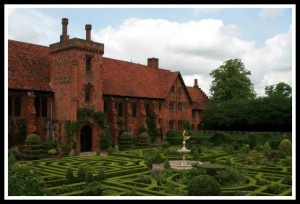
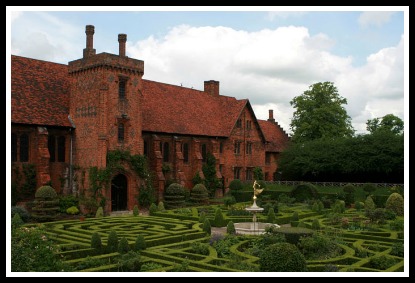
Hatfield House. She spent a great deal of time here as a child and during Mary’s reign.
Finally, at the age of 25 after her mother died at the hands of her father, her father handed her over to others to raise her, many men attempted to win her hand in marriage Elizabeth is handed the crown and becomes Queen Elizabeth.
Did you catch the part where we said that Elizabeth was smart and cunning and well liked? These are all traits that help her as soon as she gets that crown on her gingerhead. She reinstates her father’s Act of Supremacy which puts her at the head of the church- but she makes some significant changes. She gives nods to Roman Catholicism, gives a generous hand to Protestantism and creates a religious environment that allows people to breath and only ticks off the extremists.
She appoints advisers who not only can be trusted by her but will tell it to her like it is. They are are smart and respect her although she is (think like it’s 1560) a woman. These advisers agree on one key item: Elizabeth must marry.
We banter about playing Tudor Suitors for awhile, outlining the relationships with the men most likely to walk off with the final Tudor Rose.
There were some who she simply played for political reasons (Prince Phillip of Spain? Mary’s Sloppy Seconds? We don’t think so), and some who really had a shot including her “Frog” and “Bonny Sweet Robin”. As always there is far more information in the podcast than in these notes, but the result is the same: none would ever win her hand.
That’s where this episode ends- but oh, it is not the end of Elizabeth’s story, not by a long shot.
TIME TRAVEL WITH THE HISTORY CHICKS
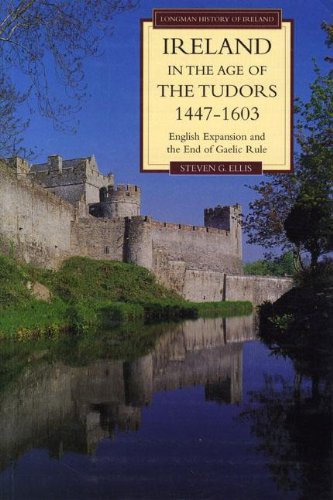
In Part Two we referenced two sources for more detailed information on the Irish Rebellion as well as the relationship between Ireland and the Tudors in general. If you are looking for more information on this aspect of Elizabeth’s life we recommend you start with this BBC post, Turning Ireland English but Steven Ellis as well as his book, Ireland in the Age of the Tudors.
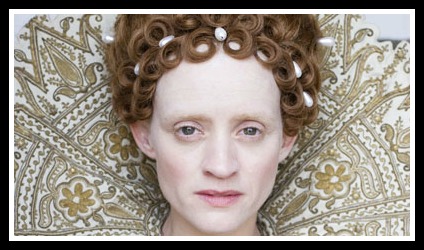
Ah, the great Who’s the best Elizabeth Debate- we pick our favorites during the episode and here are the top contenders (but not the only ones- this is a story that has been made and remade- and many versions are excellent, just remember that they are mostly historical fiction not necessarily a documentary, and all will be well.)
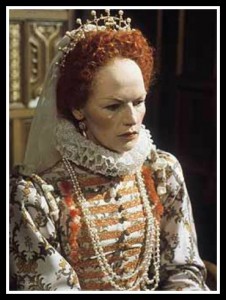
Glenda Jackson, 1971 540 minute long BBC version

Cate Blanchett, 1998/ 2005 theatrical release versions
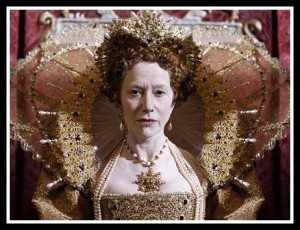
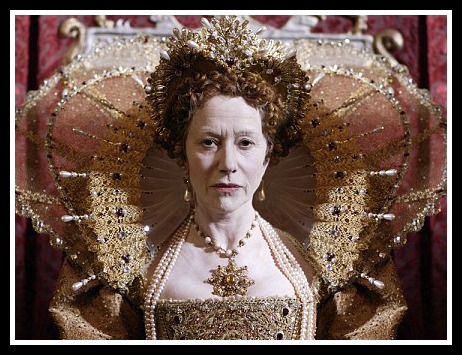
Helen Mirren 2005 HBO miniseries
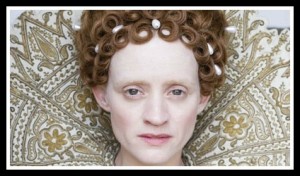
We had the opportunity to be a part of several min-biographies for the Biography Channel. Here is one on Elizabeth that you might enjoy.
If you happen to be in the UK, missing Elizabeth I places would be the trick, not finding them- there are quite a few. Like, Hatfield House and the Tower of London, and The Globe Theater.
Books: Okay here is the deal. Elizabeth I is QUITE a popular literary subject, there are a lot of books about her out there and most of them are really informative. We’ve read so many that listing them all would bore you. You really can’t go wrong with anything written by David Starkey or Alison Weir.
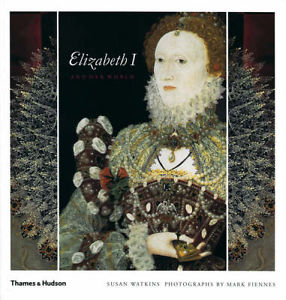
In Public and in Private; Elizabeth and Her World by Susan Watkins (Book Beckett highly recommended)

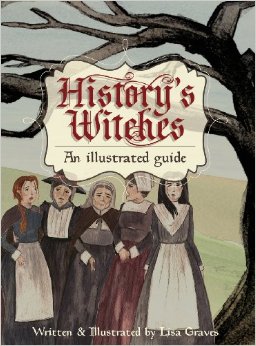
For kids- while not Tudor centered, Anne Boleyn is profiled in this first of a series by Author/Illustrator Lisa Graves (Our friend, the History Witch who we can’t talk about enough because she is pretty fabulous) HistoryWitch.com
The Tudor Tutor has a list of source material she uses (as well as A LOT of information that you might enjoy spending time with).
Since we are sharing websites, here are the ones that we talked about: (excellent for kids) Tudorhistory.org , (sistersite to Anne Boleyn files) Elizabeth Files , and Being Bess, another really terrific site, On the Tudor Trail (this link will take you to a post on Hatfield house)
So, you’re visual. Here is a link to a particularly terrific documentary- The Virgin Queen David Starkey (We told you you really can’t go wrong with Starkey)
And after that highbrow educatin’ you earned yourself a nice Horrible Histories bender.
Time Traveller’s Guide to Elizabethan England – follow this video (and book) along as historian Ian Mortimer shows what life is like for the non-regal set during this era.
This American Life Fiasco Episode!
Pottage recipe from the Elizabethan era, just like Beckett promised. (And a really interesting site for people who like to eat their way through history!)
Keen eared listeners might remember a very clever letter that we read a few seasons ago from long-time friend, Tom. He is currently living in Scotland, and offers this interesting addition to the legacy portion of Elizabeth’s story. (We didn’t talk about this during the episode, but link it nonetheless because Tom is a very loyal listener and History Nerd of the highest caliber.) Operation Highlander
And because we like to make Doctor Who references as much as we like to make Harry Potter references…the 1st Doctor visited her, the 10th visited TWICE: once with companion Martha in the Shakespeare Code…and then there was much jubilation when this happened on the 5oth Anniversary special:
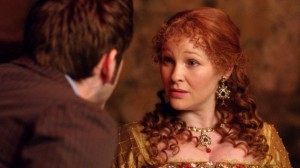
I do…what?
End song: “Leaf in the Tree”, by Frozen Ocean Wave
As always, music comes courtesy of Music Alley. Visit them at Music.mevio.com