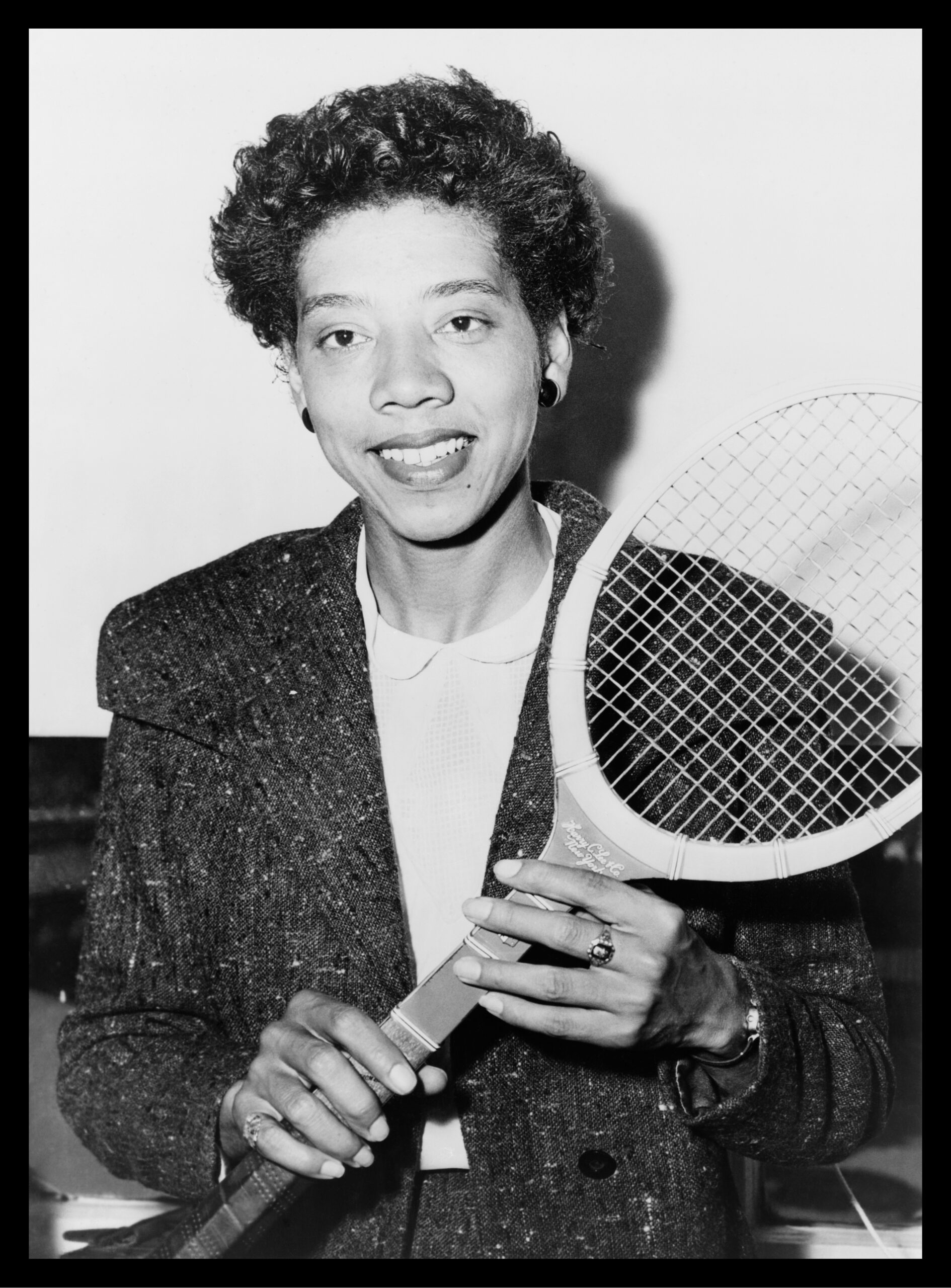
There are quite a few lines on a tennis court; sideline, baseline, service line – all of which have their functions. But beginning in 1950, a powerful and charismatic African American athlete named Althea Gibson began to smash tennis’ color lines, one after another. Althea Gibson broke new ground and changed the world’s perception of what was possible in the world of sports.
All media recommendations will be on the shownotes for Part Two.
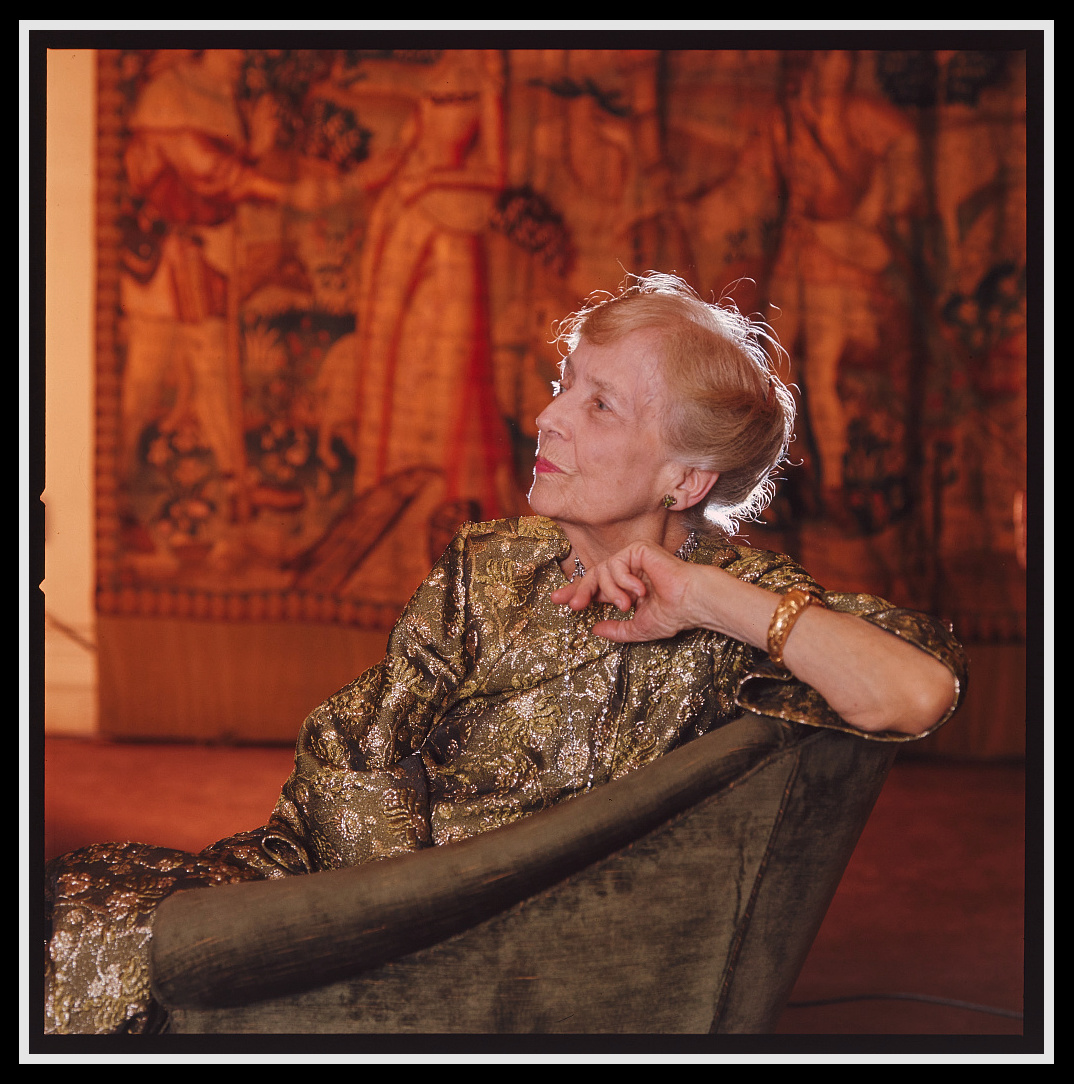
Mrs. L in 1953 at nearly 70, via Library of Congress
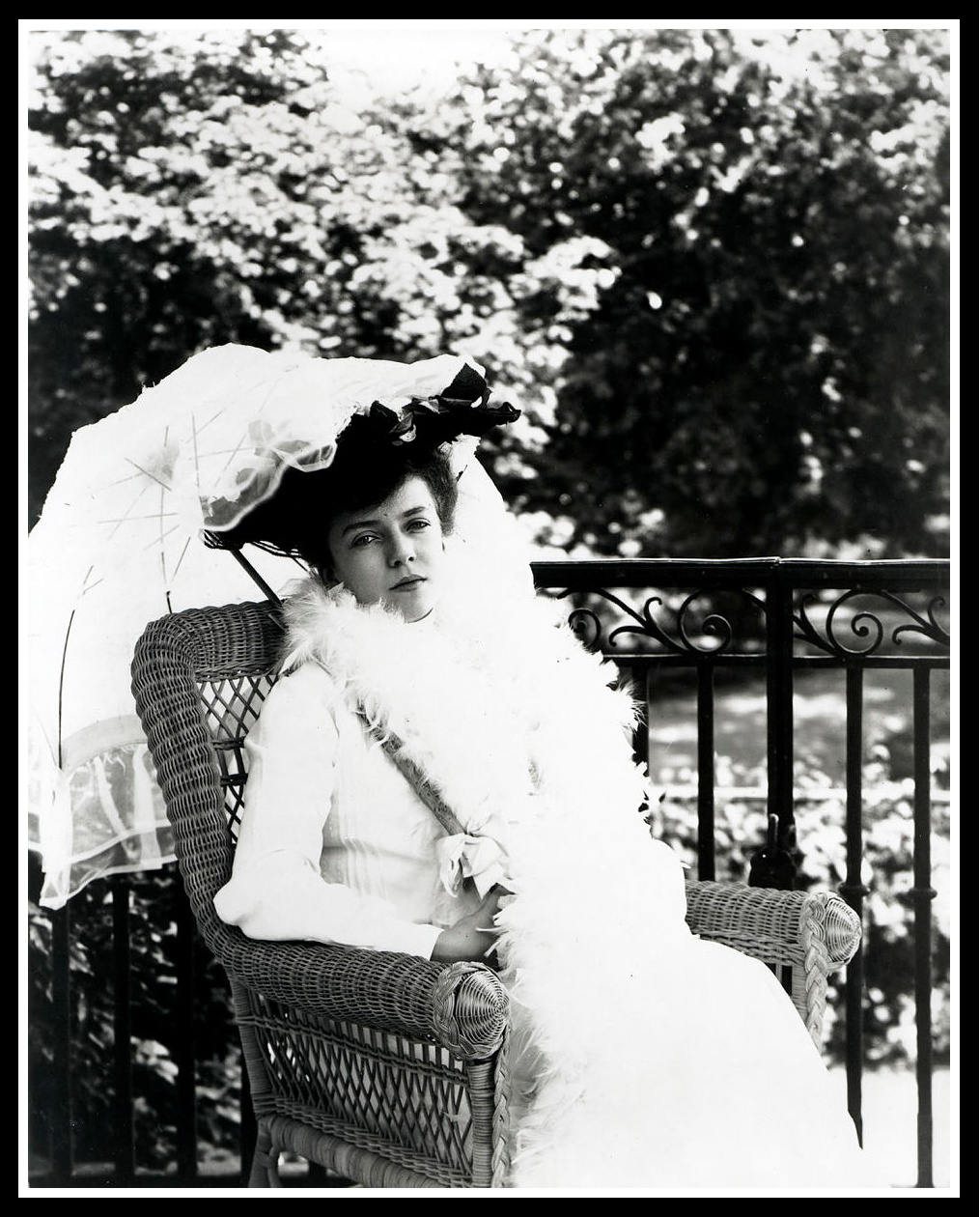
On paper, Alice Roosevelt’s life reads like a typical young society woman: Debut at 17, travel, friends, parties, marriage to a wealthy and important man, and eventually, motherhood. But Alice’s life was far from typical. For starters, her travel was for official United States goodwill missions, her friends were some of the wealthiest in the world, and the parties were expensive balls where “Be Naughty” seemed to be her rule of the day. She smoked, she bet on horses, she flirted and rode around in cars with men…and America, and soon the world, LOVED her!
Alice circa 1902, Library of Congress
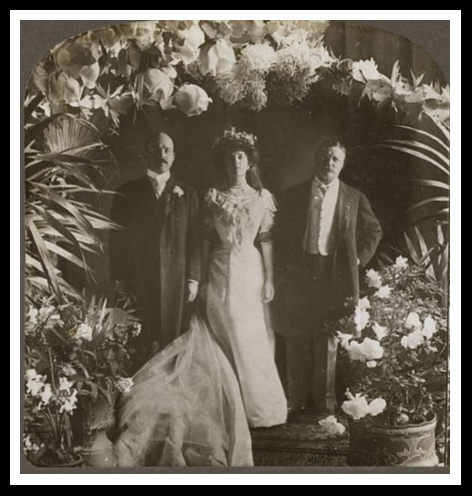
When it came to marriage, Alice chose Representative Nicholas Longworth from Ohio, a wealthy respected, and charming man who loved his drink and women–including ones that were not his wife. They did have a very public, Power Couple life hobbing and nobbing with influential politicians, and Alice- with her quick wit and intelligence became so important to the government- without ever holding an office- that she earned the nickname, Washington’s Other Monument.
The uuuuh happy couple and Papa? Library of Congress
In this episode, we continue with the story not only of the life of Alice, or Mrs. L as she came to be called, but also continue to take a good look at the most influential man in her life, her father, President Theodore Roosevelt. It’s really a two-fer!
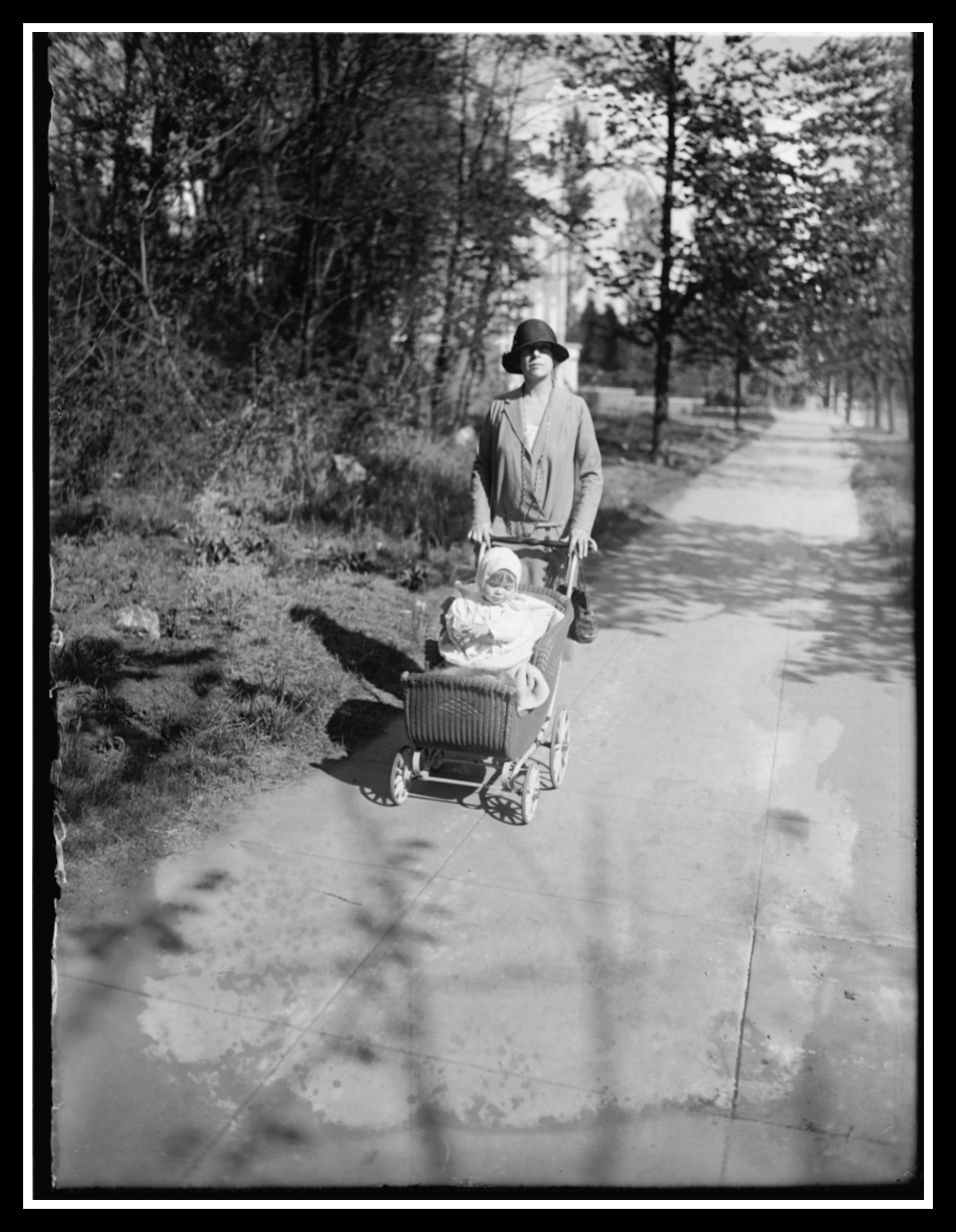
Alice and baby Paulina, 1925, Library of Congress
Alice Roosevelt Longsworth died after a very long, very influential, and very unconventional life at her home in Washington, DC on February 20, 1980. She is buried with her daughter, Paulina Sturm, at Rock Creek Cemetary in Washington, D.C.
Time Travel With The History Chicks
Books!
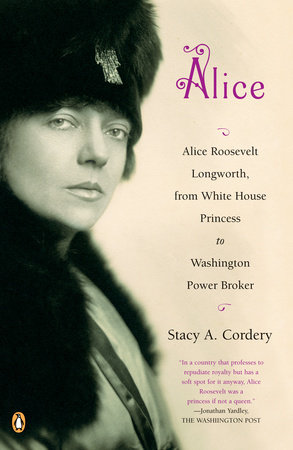
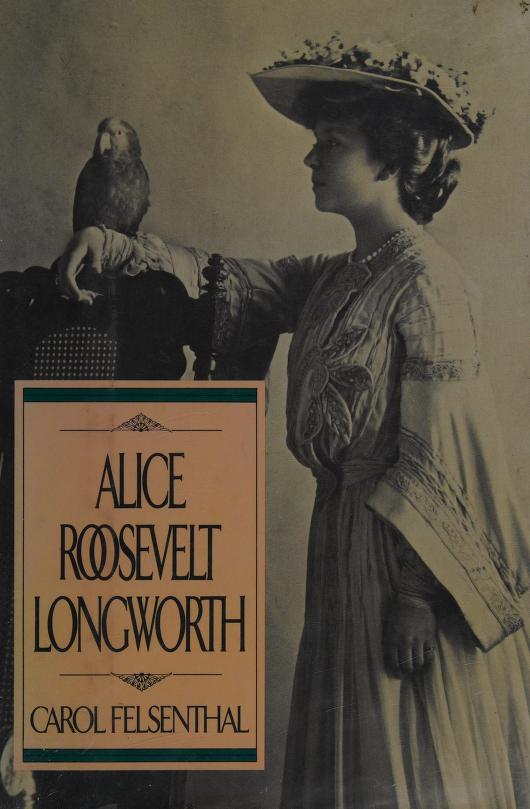
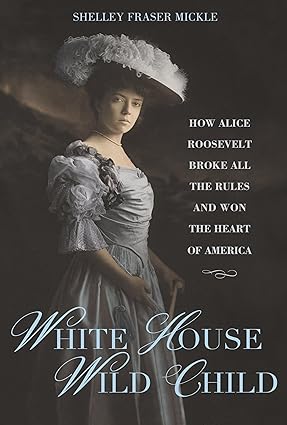
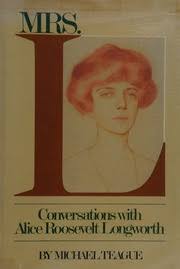
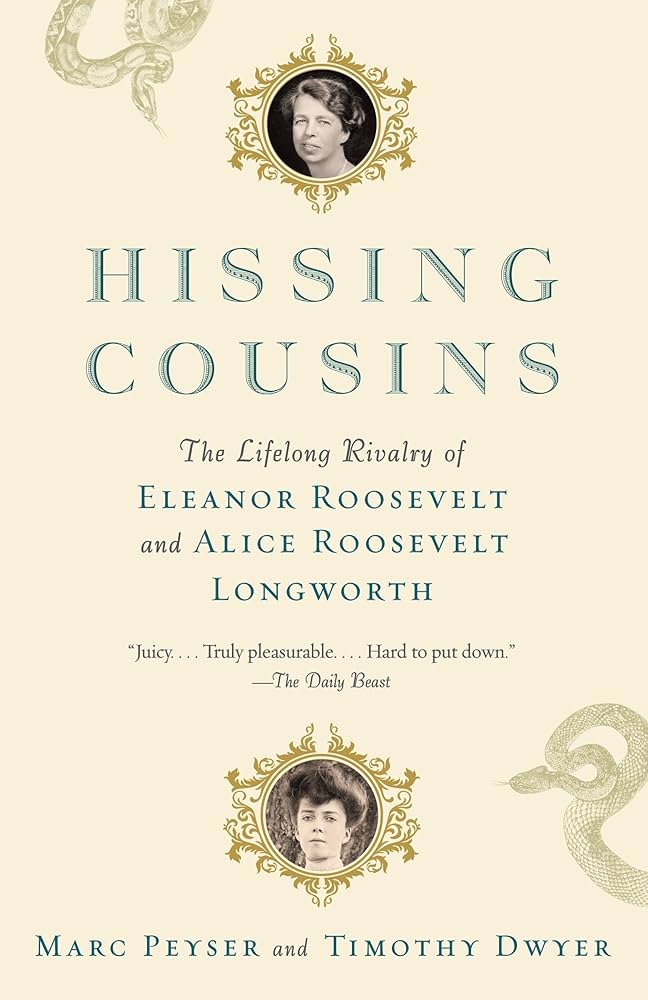
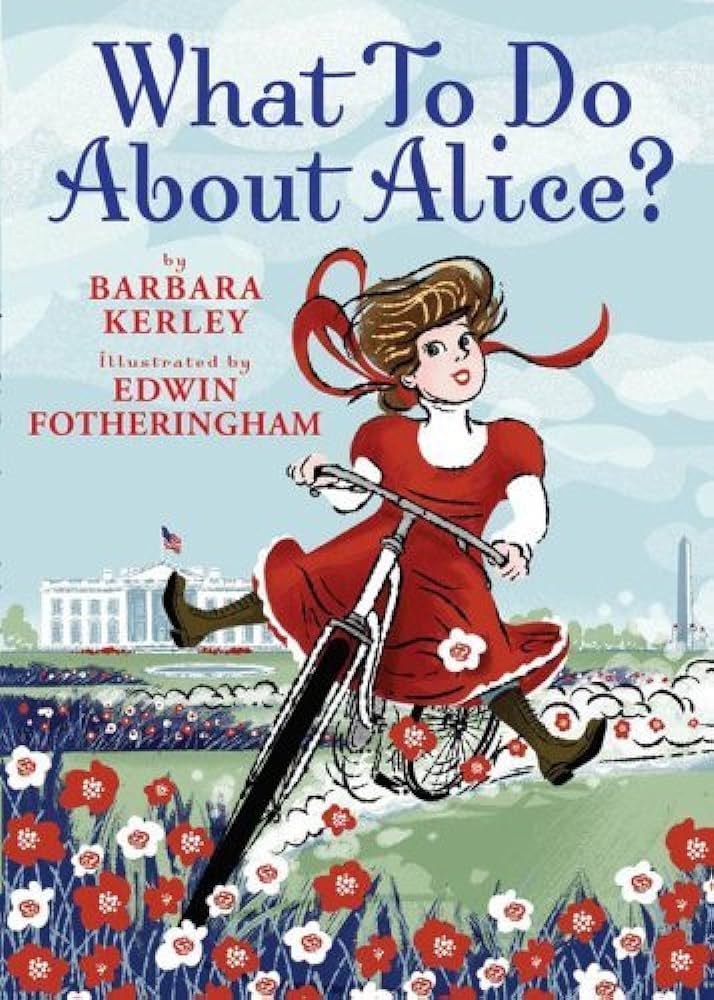
Deepest dive, by Stacy A. CorderyBook Beckett read first, by Carol FelsenthalThe newest biography, by Shelley Fraser MickleCharming with lots of photos by Michael TeagueFor your Eleanor Roosevelt fix by Marc Peyser and Timothy DwyerA picture book for kids, we were charmed! By Barbara Kerley and Edwin Fotheringham
Web!
If you find yourself near Long Island, NY, head on over to the Roosevelt summer estate, Sagamore Hill (the one that should have been named Leeholm until Alice’s mother died.) Tours are limited and by reservation, so plan ahead.
The scripted, historical drama, Crowded Hours, is an Amazon Original starring Emma Roberts as Alice! Does HBO Max still have the television series based on Alice’s life in production? We don’t know, but we are hoping really hard that it’s true!
Join us on our Field Trip to Paris in October of 2024! For information and to register, visit Like Minds Travel. We hope to see you there!
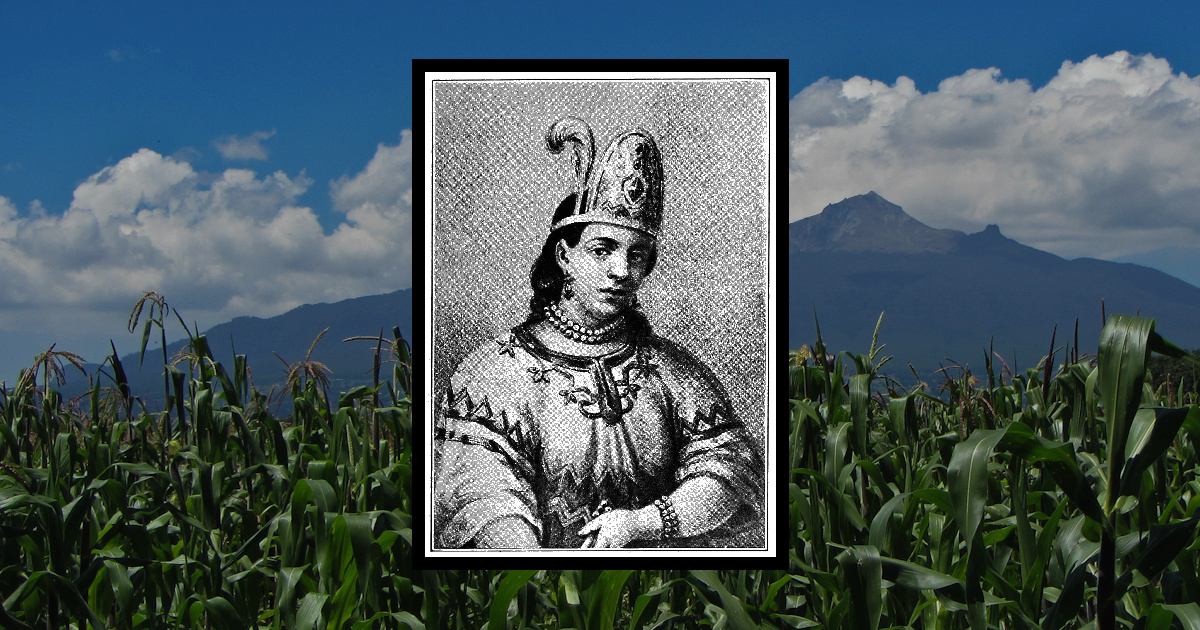
Malinche (this artist’s guess is as good as ours) and the volcano named after her in Mexico. (photo CC license: Alyse and Remi, Flickr)
In the early 1500s in Mesoamerica, modern-day Mexico, a very young child who would come to be known as La Malinche was sold into slavery by her own family. Through a series of curious circumstances, she began working as a translator and cultural interpreter for Hernán Cortés and became one of the most famous (or infamous) characters in the story of Spain’s conquest of Mexico. For the most part, we have to look at the details of her life through the lives of the people around her, then turn our heads sideways and squint because how she is seen, depends on the angle of your, or historians, view. Even her name is shrouded in mystery: was she Malintzin, Malina, Marina, Doña Marina, or La Malinche? She was called all of those, but her true, original name is lost to history.
SHOWNOTES ARE UNDER CONSTRUCTION, COME BACK LATER FOR ALL OF OUR MEDIA RECOMMENDATIONS
Time Travel With The History Chicks
Books!
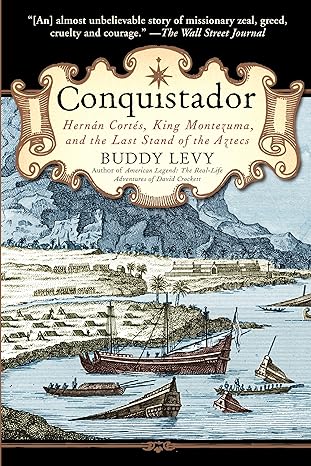
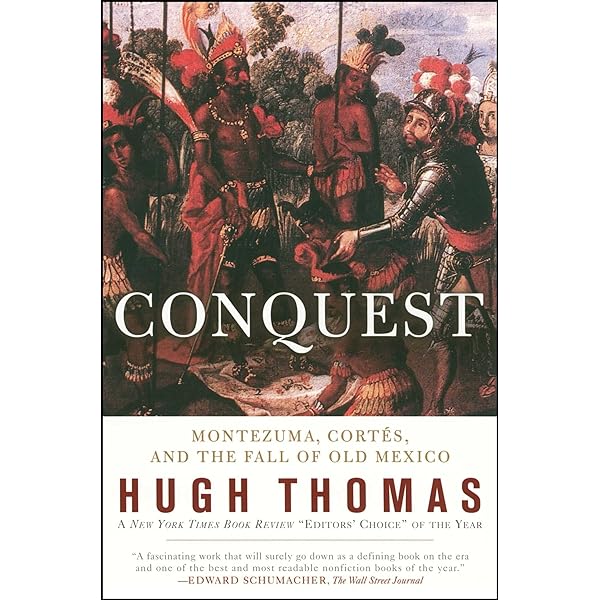
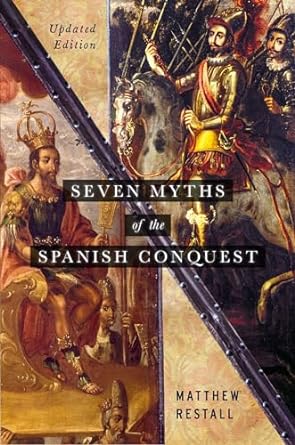
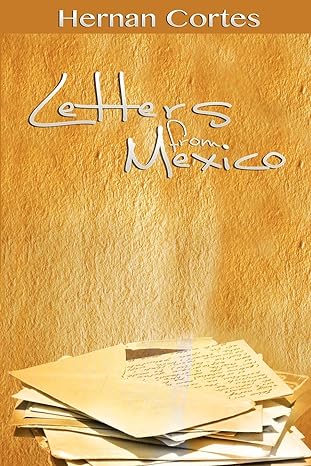
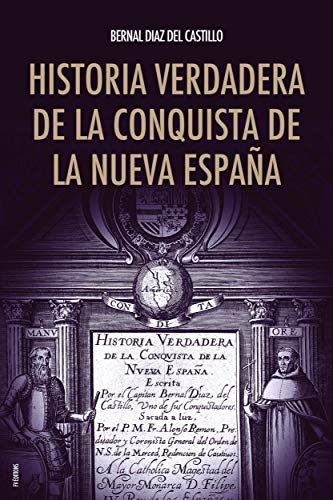
By Jason Porath…we love this book for so many reasons and open it oftenBiography by Camilla TownsendBest read, part biography, part travelogue by Anna LanyonBy Rebecca YegarBy Buddy LevyBy Hugh ThomasBy Matthew RestallCortes’ lettersBernal Diaz…if you speak Spanish, let us know how it is. All our sources cited it so we figured it was worth mentioning even if we didn’t read this one.
KIDS:
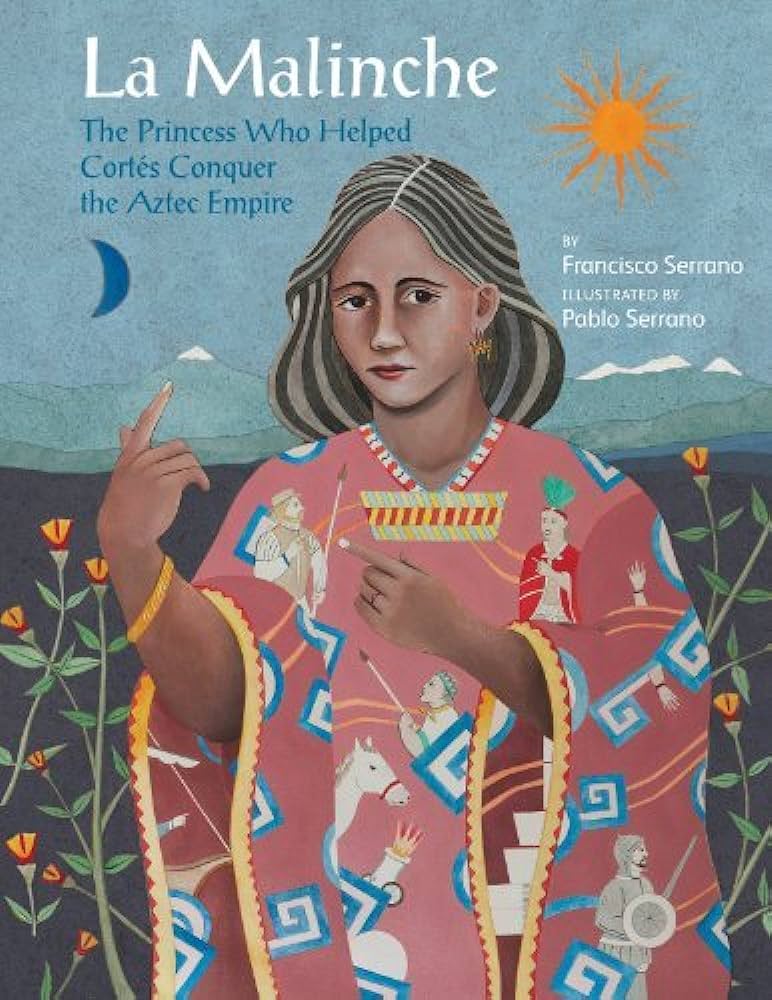
By Francisco Serrano, Illustrated by Pablo Serrano
Web!
The Denver Art Museum had an exhibition of Malinche’s life through art back in 2022, but since nothing dies on the internet, we can all still cyber-visit it! Traitor, Survivor, Icon: The Legacy of La Malinche
The murals at Palacio National in Mexico City: Here’s some information about Malinche’s portion and here’s a good look to grasp the size of this art!
Moving or Audible Pictures!
The Rest is History Podcast has an (entertaining and conversational as well as educational) series on the Fall of the Aztecs that goes into depth on Cortes and his conquest of Mexico (and Malinche is in there, of course!)
End music: End of the Story by The Spoons, used with permission
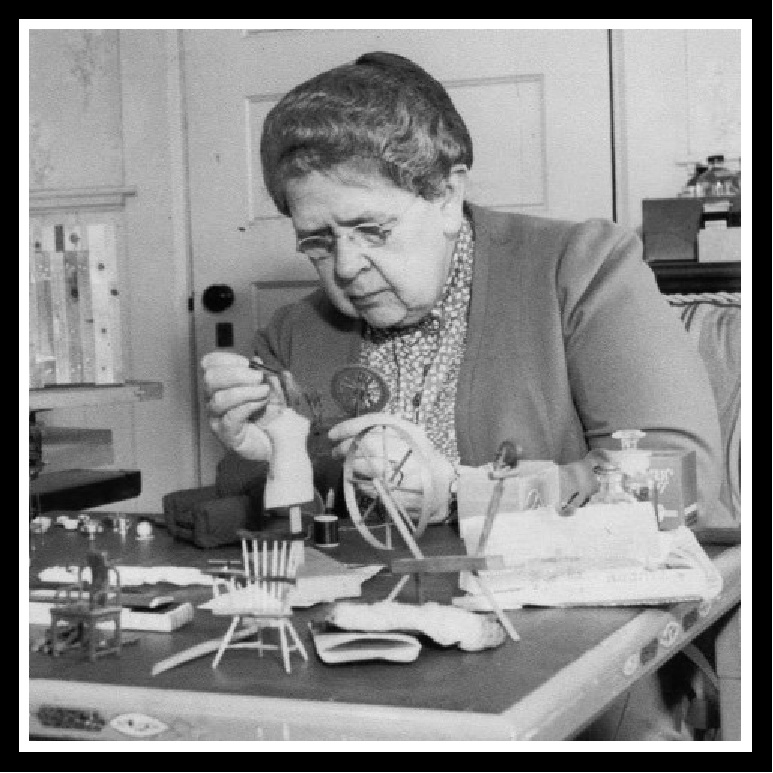
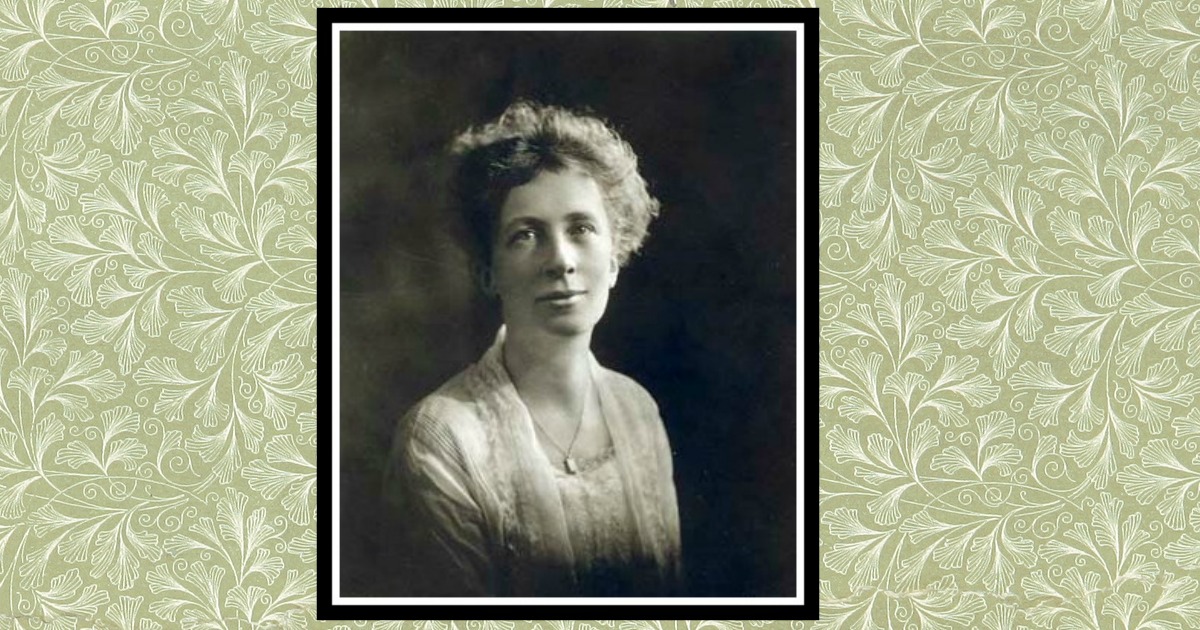
Frances Glessner Lee circa 1935 via Glessner House Museum
Frances Glessner Less was a woman of unyielding determination and creative energy who used everything at her disposal (invcluding a vast inheritance) for both the common good and to further science in the field we now know as forensic Medicine.
Frances Lee was born into a very wealthy family on March 25, 1878, in Chicago, Illinois. Her father’s position as a founding executive (at the company that would eventually become International Harvester) funded the family’s lavish life in both Chicago and at their summer home called The Rocks, in New Hampshire. Her mother was an intellectually curious member of Chicago society who put her efforts not only into the arts (helping found the Chicago Symphony Orchestra, for instance) but also in assisting her two children to pursue their own interests.
Frances’ brief marriage resulted in three children, but her interest in medicine, science, law enforcement, and various crafts converged to forge her legacy when she put her everything into helping found the Department of Legal Medicine (the forerunner to forensic science) at Harvard University. She would go on to not only personally build a library for the college in this field, but to spread the science of it into communities all across the United States with lectures and twice-annual seminars for law enforcement personnel beginning in the 1940s
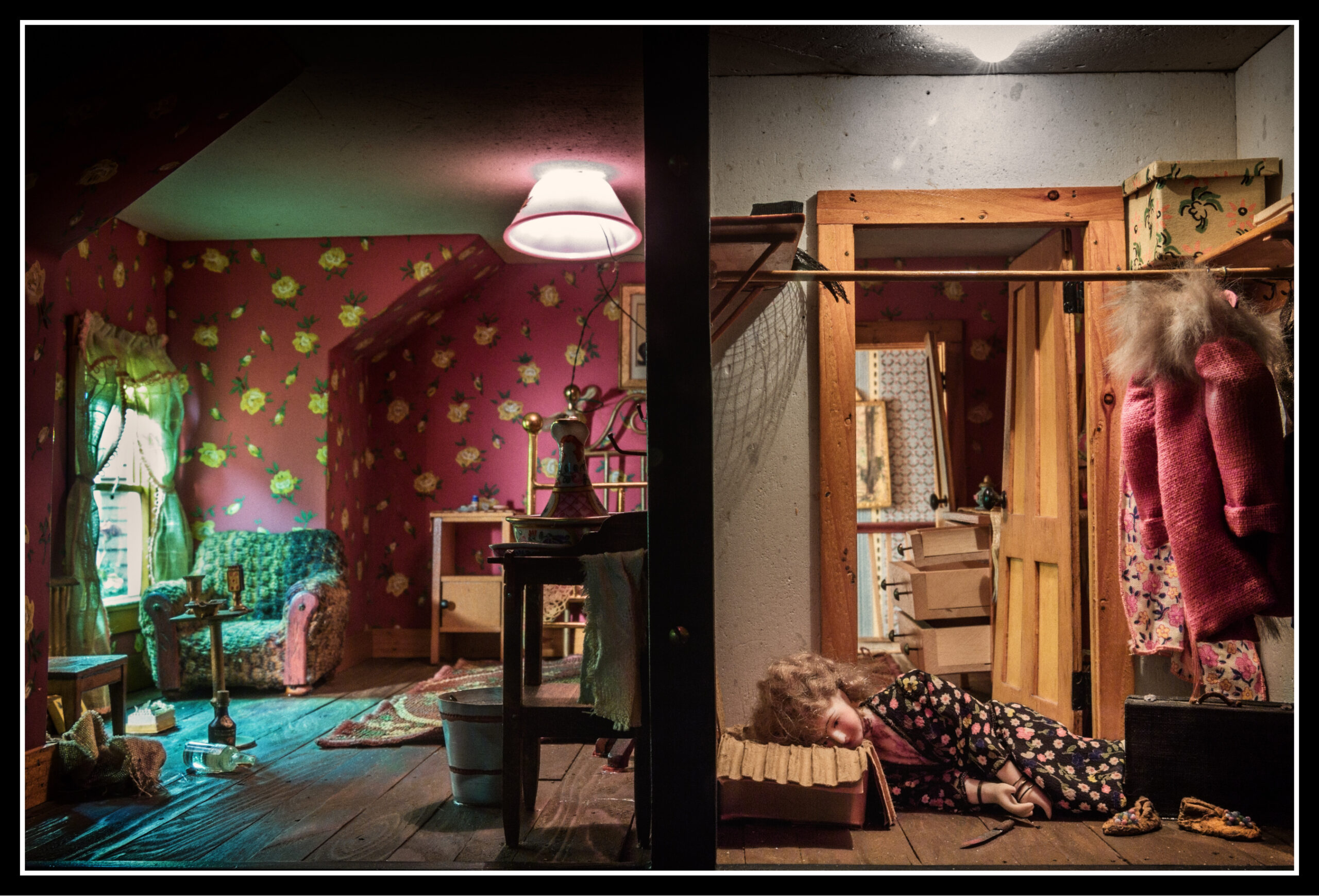
At these seminars, which she organized and ran, she crafted exquisitely detailed, miniature crime dioramas for the attendees to sharpen their skills in detective work and expand their knowledge of the science of death. Called the Nutshell Studies of Unexplained Death, they aren’t macabre dollhouses, they are highly detailed learning tools…and they’re still in use today.
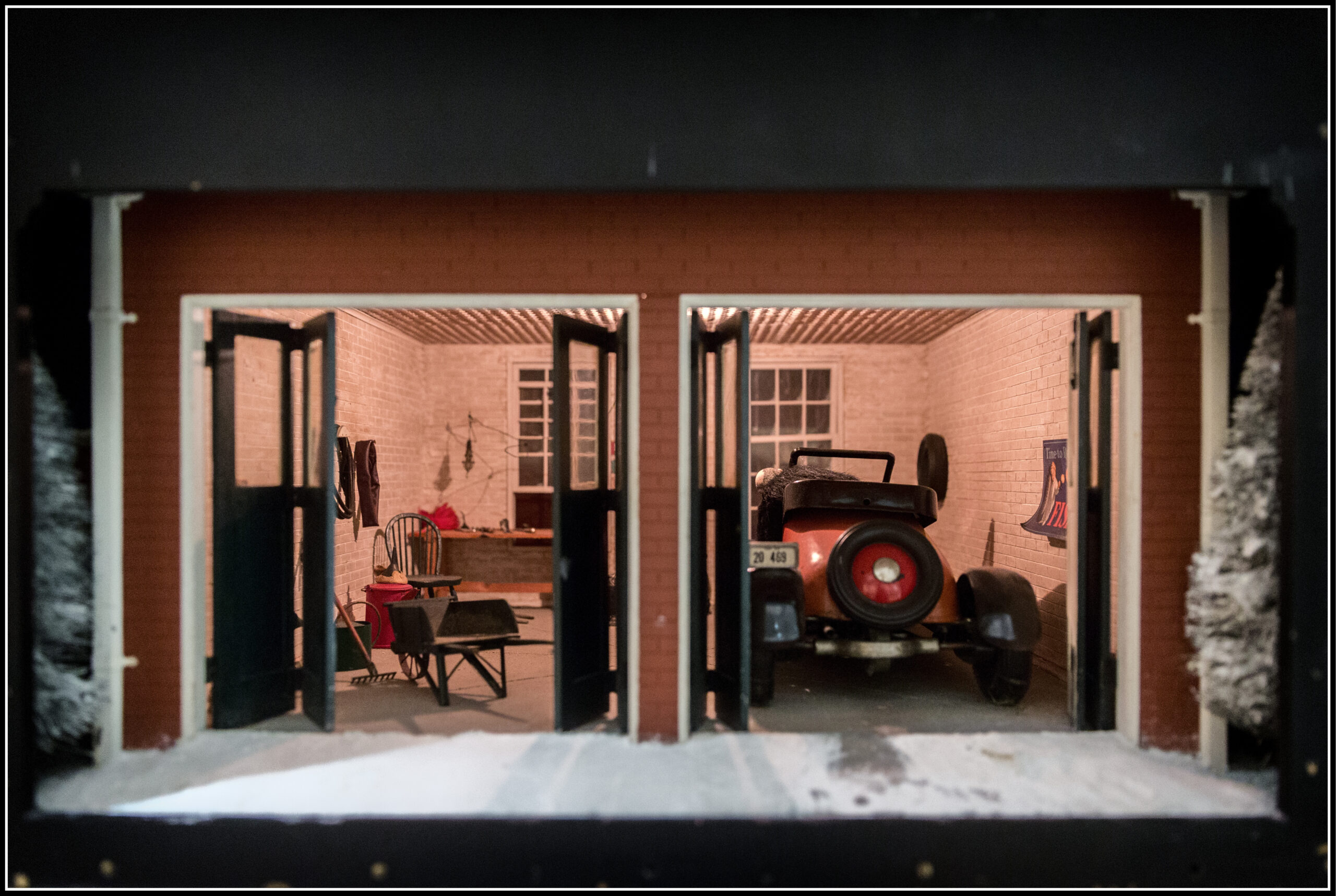
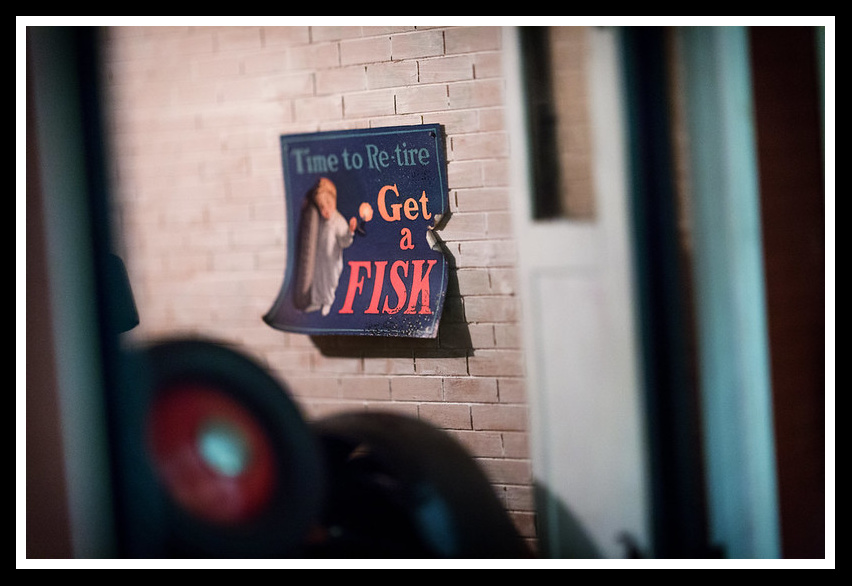
One of Frances’ Nutshell Studies, The Red Bedroom (photo credit: Lorie Shaull via wikicommons.)One of Frances’ Nutshell Studies ( photo credit Lorie Shaull via wikicommons)Just one of the teeny tiny details in Frances’ dioramas, this one from the garage shown above. Photo credit: Lorie Shaull via Flickr
Frances Glessner Lee, at the age of 83, died on January 27, 1962 at her home. She’s buried in the Maple Street Cemetary in Bethlehem, New Hampshire.
Time Travel With The History Chicks
Books!
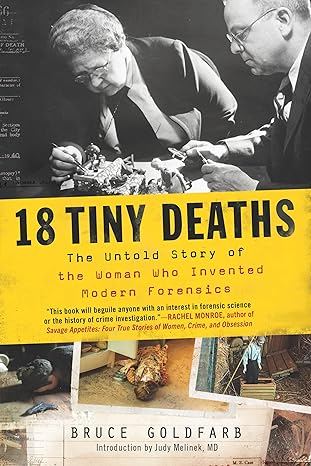
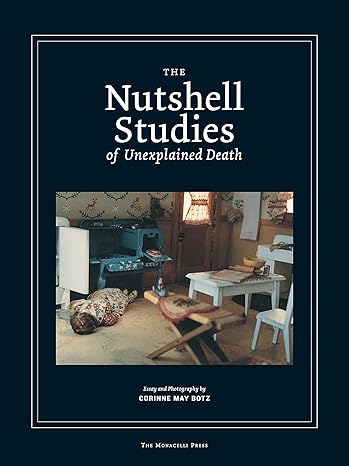
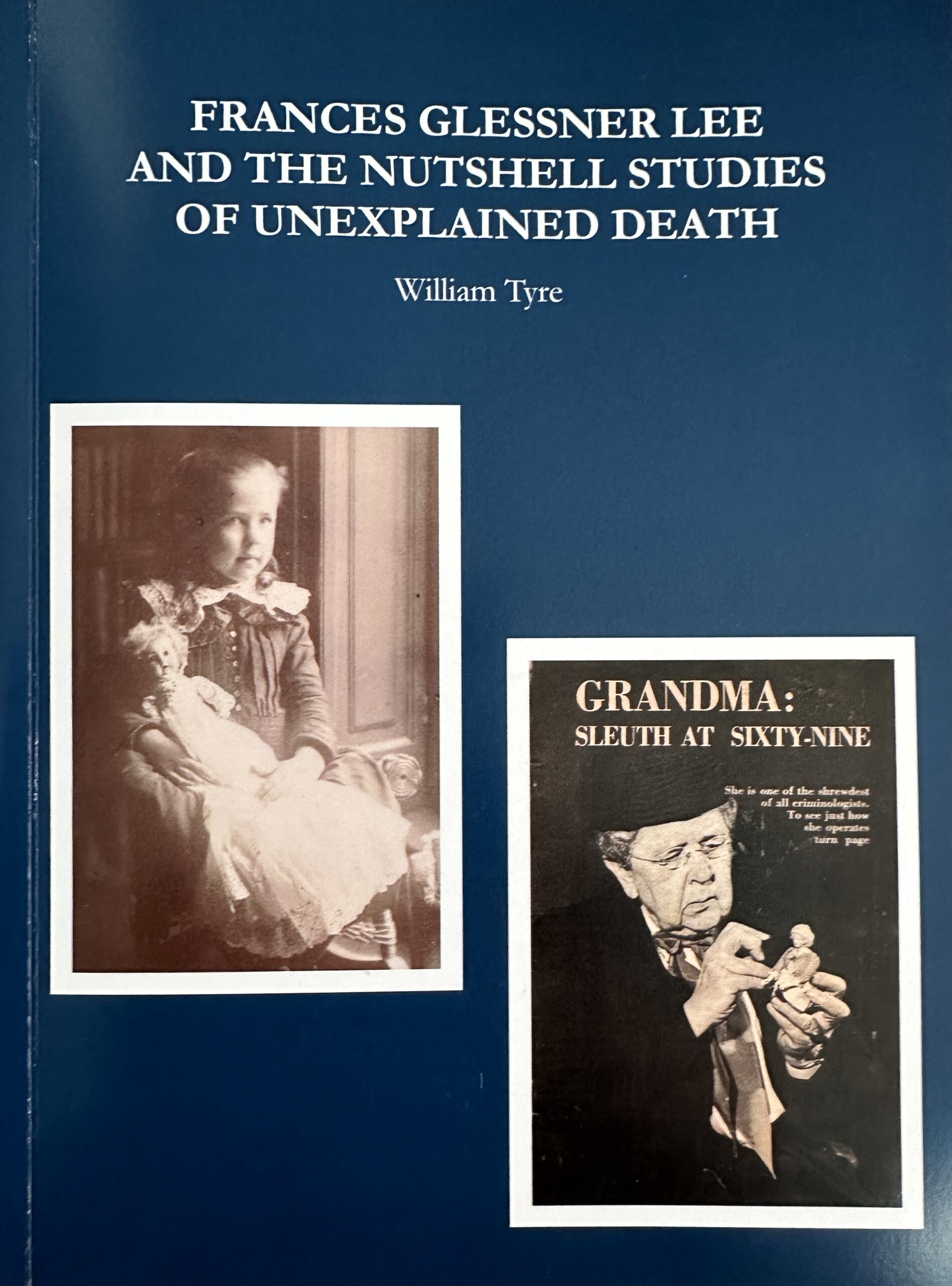
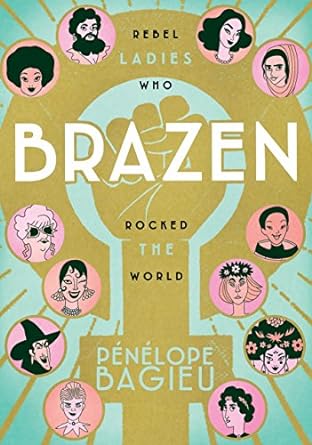
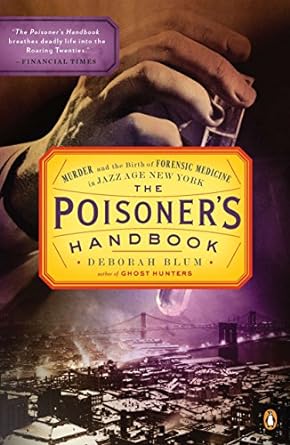
The biography by Brice GoldfarbThe coffee table book that requires the right coffee table (By Corrine May Betz)The lecture made into a book, with pictures! by William TyreThe book Susan borrowed so often she went ahead and bought, graphic non-fiction compilation by Penelope BagieuThe niche book the barista wanted to listen to more of, by Deborah Blum
The Rocks in Bethlehem NH...the perfect place to buy your Christmas tree (and hike the trails, take classes, and maybe have a wedding. To learn more about the fire and restoration projects since, visit THE ROCKS. Harvard Associates in Police Science is still an active organization that holds an annual Frances Glessner Lee Homicide Investigation seminar. Frances is mentioned on the Harvard Medical School History website in regard to the Nutshell Studies and the Legal Medicine department…but not as boldly as we would like. Maybe this was an artifact from her “behind the scenes days” because it couldn’t possibly be an intentional slight…could it?
And a history that only makes sense after you listen to the episode but we love a good Rabbit Hole: History of Coca-Cola.
Moving Pictures!
Season 17, episode 14 of NCIS has it all: Nutshell-style dioramas, mentions of Frances, an involved podcast audience…okay, that’s all it has but, you know, entertaining. Catch it wherever you watch that long-running show.
The documentary, Of Dolls and Murder, is on YouTube, but it requires permissions to watch it, so you can search for it yourself over there.
CBS Sunday Morning’s coverage of the showing of the Nutshell studies:
Break music: The Banks of Green Willow, by George Butterworth; end music, Victim of Crime, by Heifervescent used with permission, ilicense Music.
We’ve gone fishin’…okay, not real fishing, but we have taken a little summer break to focus on some life transitions that we have going on in our personal lives. Because one of them has to do with sending our sons off to the next chapters in their lives and facing empty nests ourselves, we thought of Lillian Gilbreth. Not only because she had many children herself, or because we both admire her so much for all she did as a working mom when working moms were very rare (in her social class, anyway.) We didn’t think of her because of her long-lasting and still-in-use work to make women’s lives easier (and men’s, of course.) Nope. We thought of this episode because both of our about-to-be-launched sons are in it! Not only is Beckett’s son in the 30-Second Summary, but the boys, who were 10 at the time, were causing a ruckus while we were recording!