We wrap up our coverage of this brave, trailblazing woman who defied convention, governmental oppression, violence, and financial hurdles (to name a few) to begin the Greenbelt Movement which not only planted 40 million trees and counting, but helped empower women around the world work for bettering themselves and their own communities from the ground up!
Her funeral with glimpses of her unique coffin, her children, and some archival footage of Wangari herself.
Time Travel With The History Chicks
Books!
Her memoirby Wangari Maathaiby Wangari MaathaiBy Namulundah Florence
So many kids’ books!!
by Eucabeth OdiamboPart of the Rebel Girls seriesBy Gwendolyn Hooks, Margaux Carpentierby Jeannete Winterby Maureen McQuerry and Robin Rosenthal
And off-topic but discussed (IYKYN) :
By Libba BrayBy Gwendolyn Hooks and Colin Bootman
Web!
The Green Belt Movement is still very active, here is their website with lots of information about their mission. their work, and their history, and the Wangari Maathai Foundation has a lot of information as well.
The Greenbelt Movement is still active around the world, here is a very recent article about how they are still standing up to the government of Kenya: The Nation (e-paper)
Here is some information on Sagana State Lodge in Kenya where Princess Elizabeth learned she was Queen Elizabeth while Wangari was in school nearby: Sagana Lodge
The Bowery Boys New York City History podcast has several episodes that discuss parts of Central Park, this is a good one to start with: The early years of Central Park.
***We don’t usually add things to our shownotes that we didn’t talk about on the show, but a lovely friend of the show, ELizabeth, shared the One Tree Planted organization with us which is part of the Trillion Tree program that we did talk about. Check them out and help plant trees all over the world!
Wangari Maathai understood the vital connections between living things and the Earth; of local communities and the wider world. It is true that many trees make a mighty forest, and Maathai’s Green Belt Movement made it clear to us all that the most important change for the greater good is one that each individual makes in their own backyard… a philosophy which would earn her the Nobel Peace Prize.
The map that Beckett found up high in an antique store.
Georgia Theresa Gilmore was born on February 5, 1920, in Montgomery, Alabama, where she lived and worked her entire life. And,as we explain in the podcast, that life was far from easy. By the time she was in her 20s she had a long list of jobs including laundress, railroad tie-changer, midwife, and the one that she used to solely support her growing household of six children, her mother, and various extended family: a cook.
Katharine, 1976 by Trikosko, Marion S, Library of Congress
Katharine Meyer Graham was born on June 16, 1917, in New York City, the fourth child of Eugene Meyer and Agnes Ernst Meyer. She had a very upper-class upbringing thanks to her incredibly successful investor father who had a second career in politics and a third in newspaper publishing after he purchased the then-failing Washington Post. Katharine’s mother, Agnes, was a powerhouse art patron and philanthropist (with a spicy side of political activism) while maybe not the fuzziest of maternal figures, she was a product of her times and class.
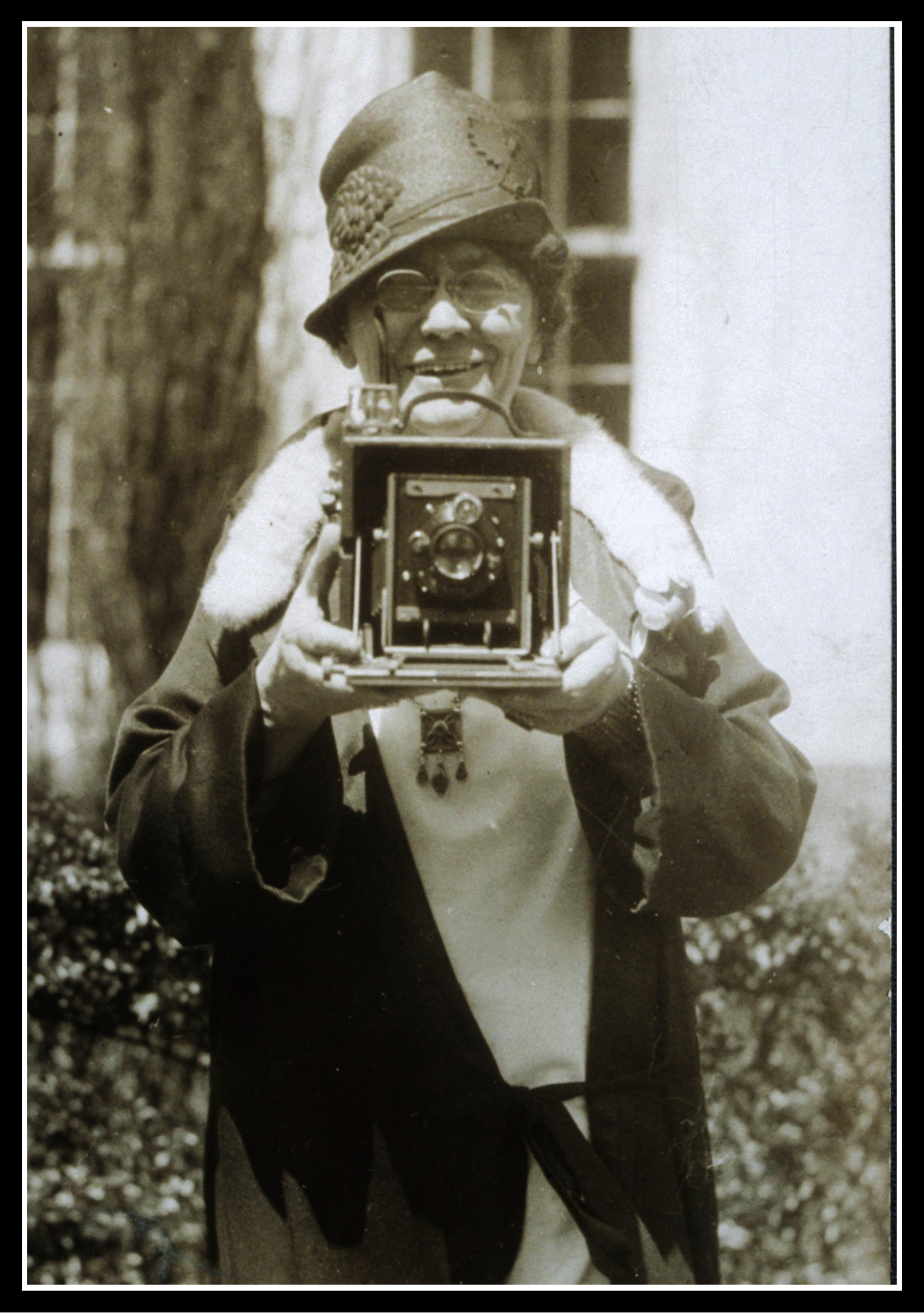
We recently traveled across our home state of Missouri from Kansas City to St. Louis to visit the Missouri History Museum. While it’s a fine museum, we were there for a specific reason: to do a live show about pioneering photojournalist, Jessie Tarbox Beals. We know that a lot of you would have loved to have been there to learn about this extraordinary woman, so we re-recorded the show in an audio-only format for you.