Episode 287: Bertha Palmer
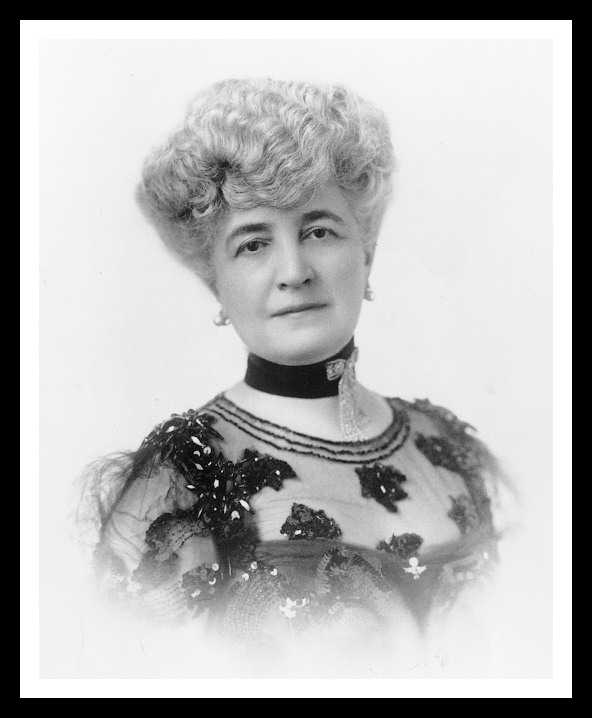
Bertha Palmer
Bertha Palmer wore a lot of hats: Chicago socialite, patron of the arts, real-estate magnate, and all-around Gilded Age powerhouse. Her leadership of the Women’s Building of the 1893 World’s Columbian Exposition drew praise from all over the world. (and criticism, too!) We’ll also tell you about her influence on Impressionist art in America, and her surprising third act as a Sarasota land developer.
Bertha Honoré Palmer was born on May 22, 1849 in Louisville, Kentucky to Henry Honoré and Jane Carr Honoré. She was the second of six children born into a family of wealth and a heart for real estate speculation and development. The family moved in 1855 to the very small, but soon to be growing (thanks railroads!) town of Chicago, Illinois.
As Bertha’s father bought and developed large swaths of land there, Bertha grew up with the city. Educated at the city’s finest schools, she finished her education in the Georgetown area of Washington, D.C. and returned to Chicago at 18. She made her debut, juggled suitors, and married 44-year-old Potter Palmer three years later. (He was a family friend and had known him since she was a young teen…basically, he was well vetted.)
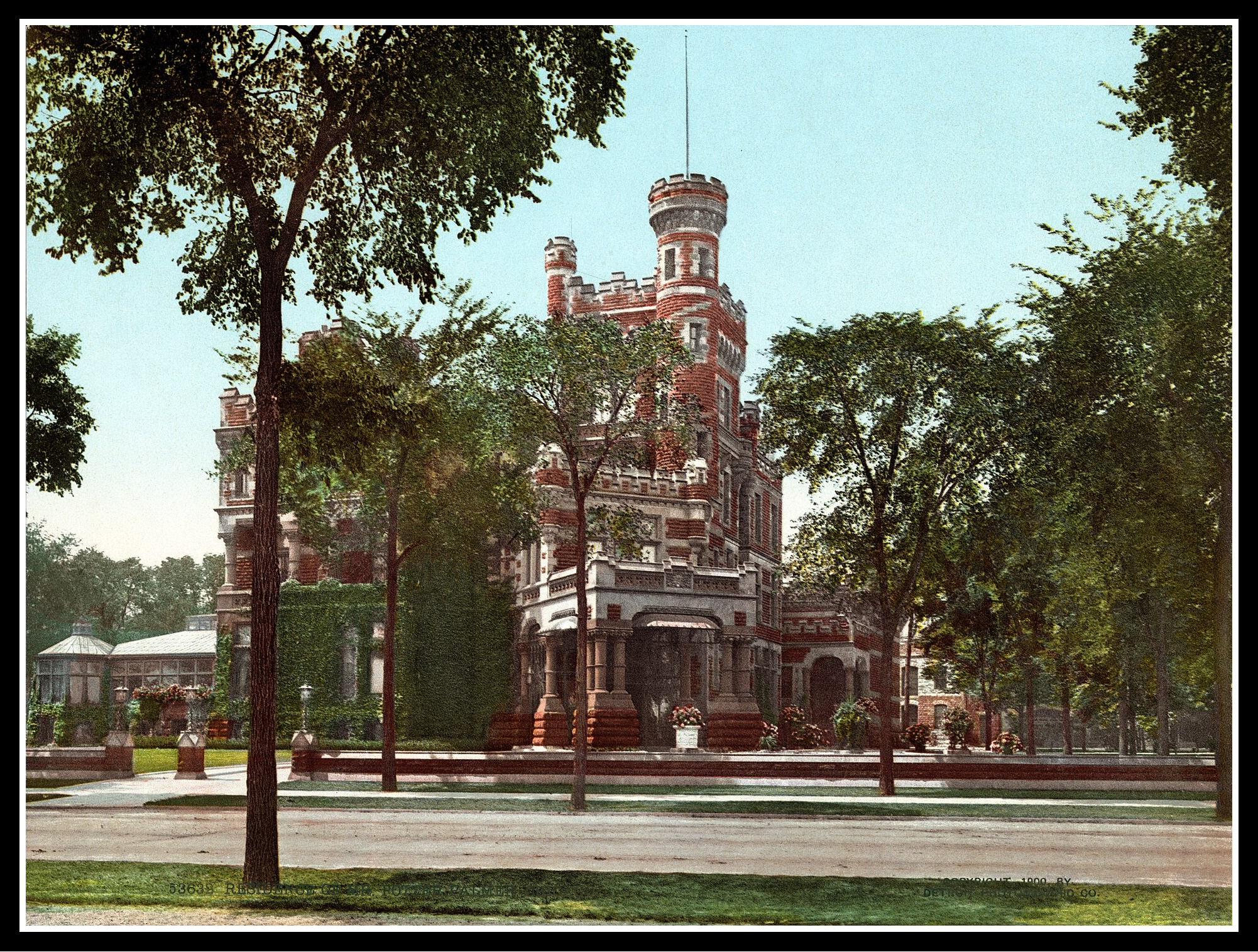
Potter’s history with Chicago paralleled Bertha’s father in real estate, but he also had established a very popular (and profitable) retail store that he sold just a few years before their marriage (it became Marshall Field’s.) The couple had plans to move into his newest business venture, and gift for his bride: the Palmer House Hotel in the State Street shopping district that he was developing. However, the Chicago Fire of 1871 nearly destroyed both Bertha’s family and her new husband’s wealth by burning to the grown all they had built including the hotel that had only been open for 13 days, But, the tragedy allowed both of them (and other wealthy folks in the city) an opportunity to rebuild safer structures and also develop land in a less cattywompus way than it had been.
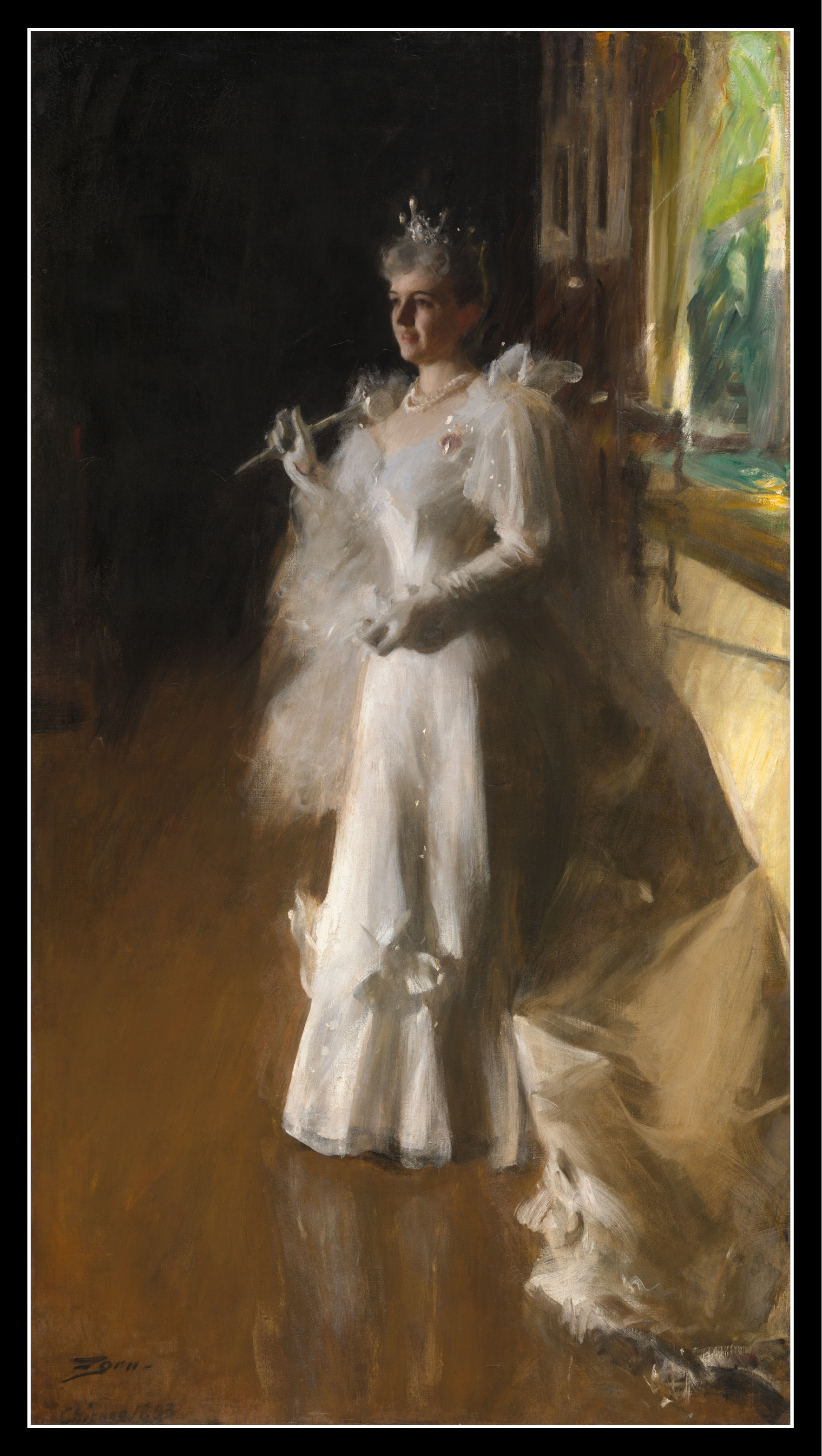
Bertha was a mom of two boys, and a socialite who not only donated money and time to organizations that helped women and children, like Jane Addams Hull House, but she also learned what those groups did and helped them find ways to turn their plans into realities. As a master Get-Stuff-Doner, she was tapped to be the President of the Board of Lady Managers, a group charged with spotlighting women’s accomplishments in the 1893 Columbian Exposition, the World’s Fair in Chicago.
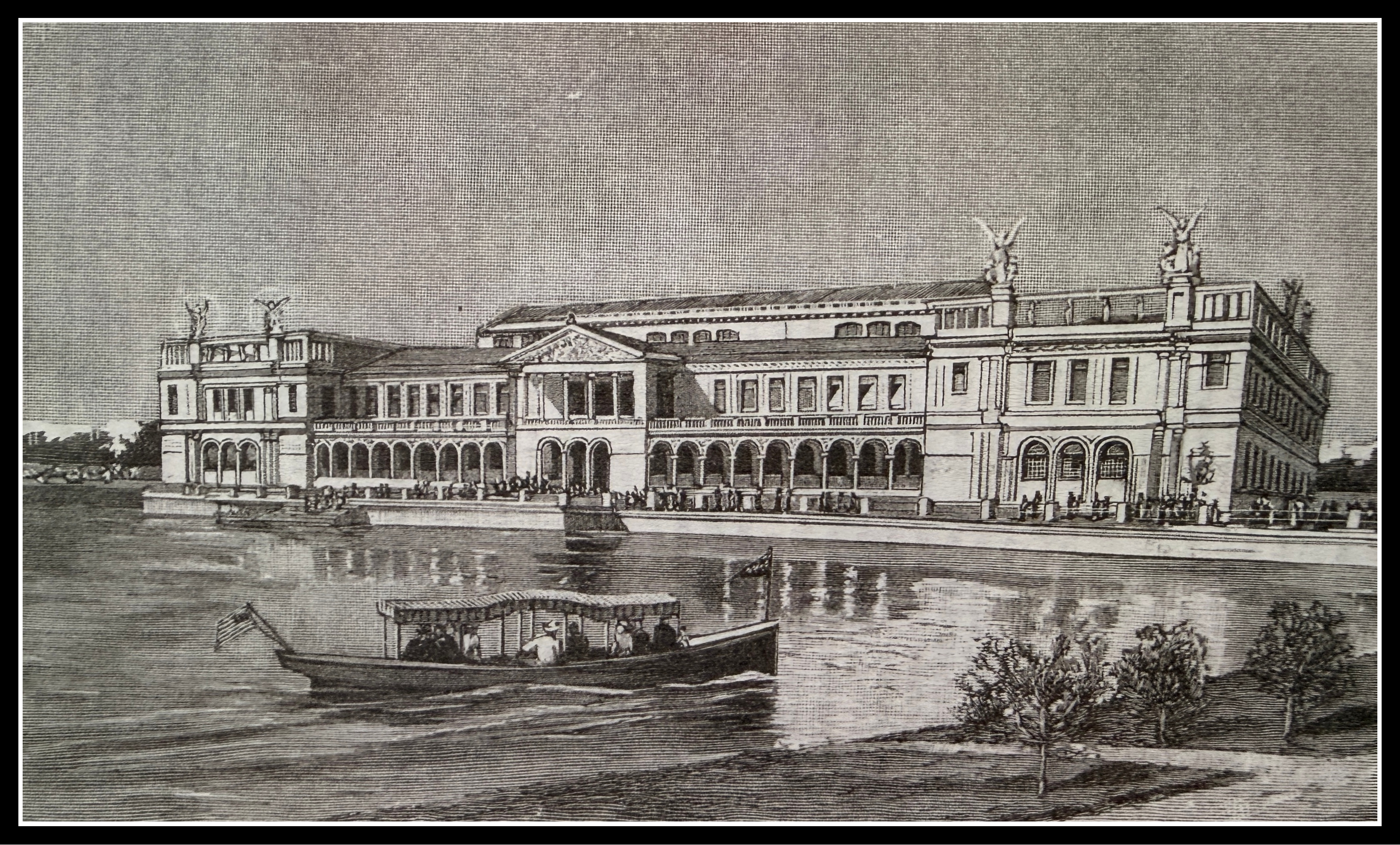
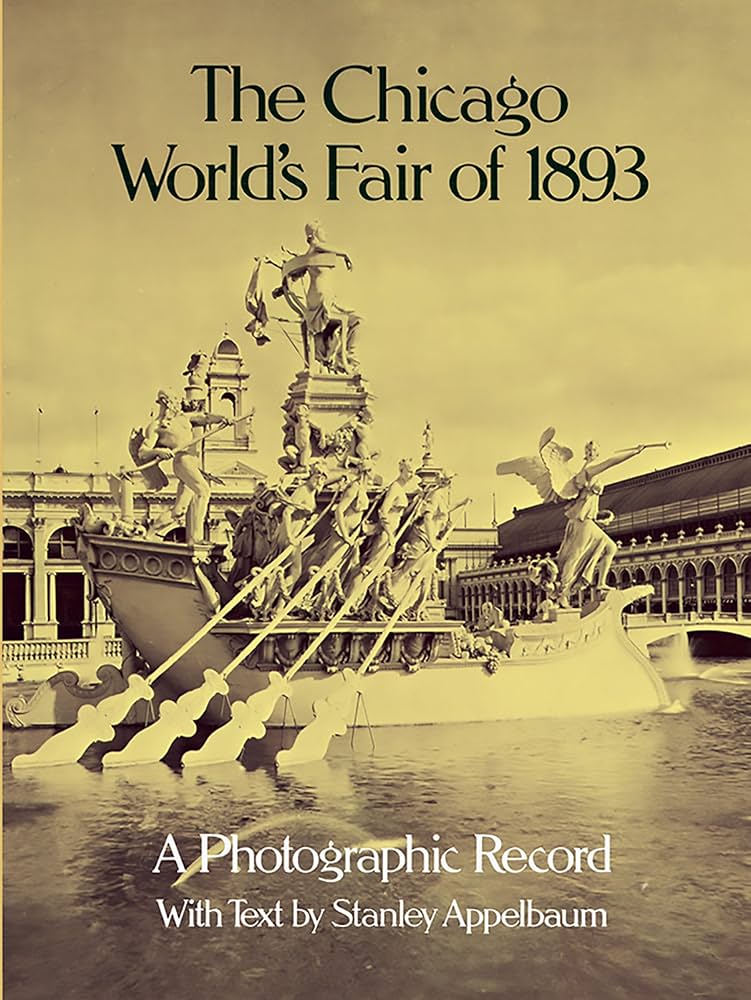
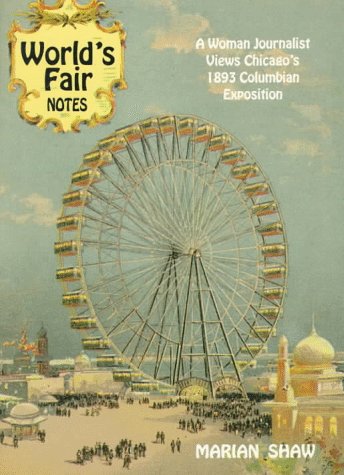
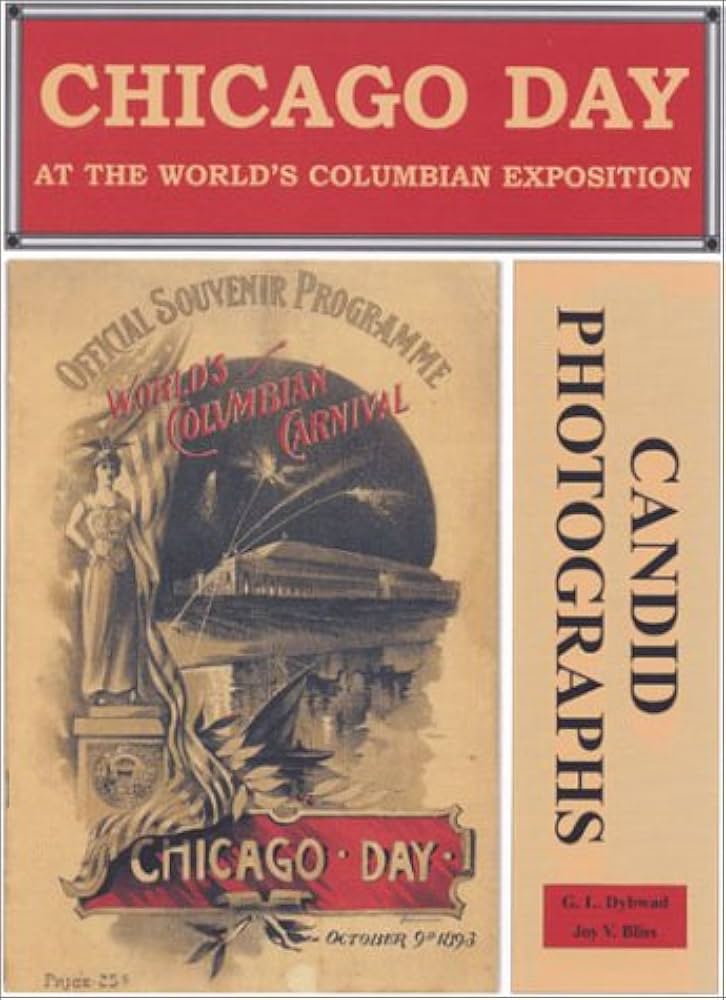
If you’ve been listening to us for any period of time, you know we have a thing for this particular World’s Fair. So many of our former subjects visited, exhibited at, had their work shown, and even protested it (the fair was far from fair when it came to people of color.) We took advantage of this opportunity to talk a great deal about the fair. How could we not?
After the fair, Bertha leaned into society activities, including collecting art with a focus on the Impressionists. She traveled with her husband all across Europe and made her mark on East Coast society in Newport, Rhode Island.
In 1902, when Bertha was 53, 76-year-old Potter died. They had a marriage that had been full of love and respect; they worked together so well on many projects that Potter had imparted his business wisdom to her. She grieved the loss and never remarried, but she didn’t fade into the background. After an extensive time in Europe (she was in the close social circle of “Bertie,” King Edward VII of the United Kingdom–he takes up a lot of one’s time) she cast her eyes far south of Chicago to the warm sunshine of Florida.
And, there, following in the footsteps of her great- grandfather, father, and husband, she bought up gobs of land in and around Sarasota and developed it. Like ya do.
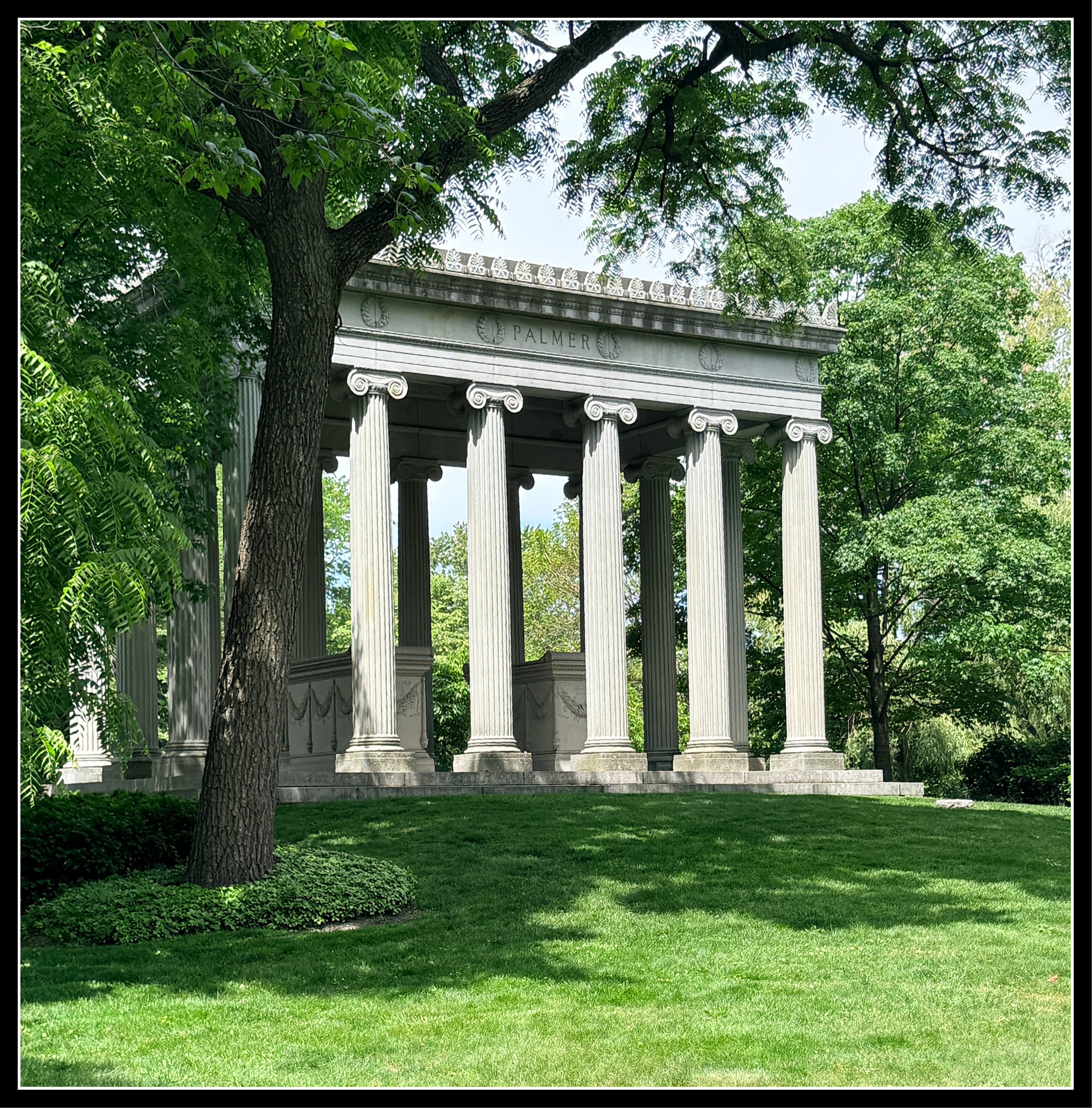
But all good runs must end. On May 5th, 1918, 68-year-old Bertha Honoré Palmer died in her Florida home. She was laid to rest at the Potter Mausoleum at Graceland Cemetery in Chicago. A large number of her remaining pieces of art were donated to the Art Institute of Chicago (where Potter gets the credit. Sigh.)
Time Travel with The History Chicks
Books!
Web!
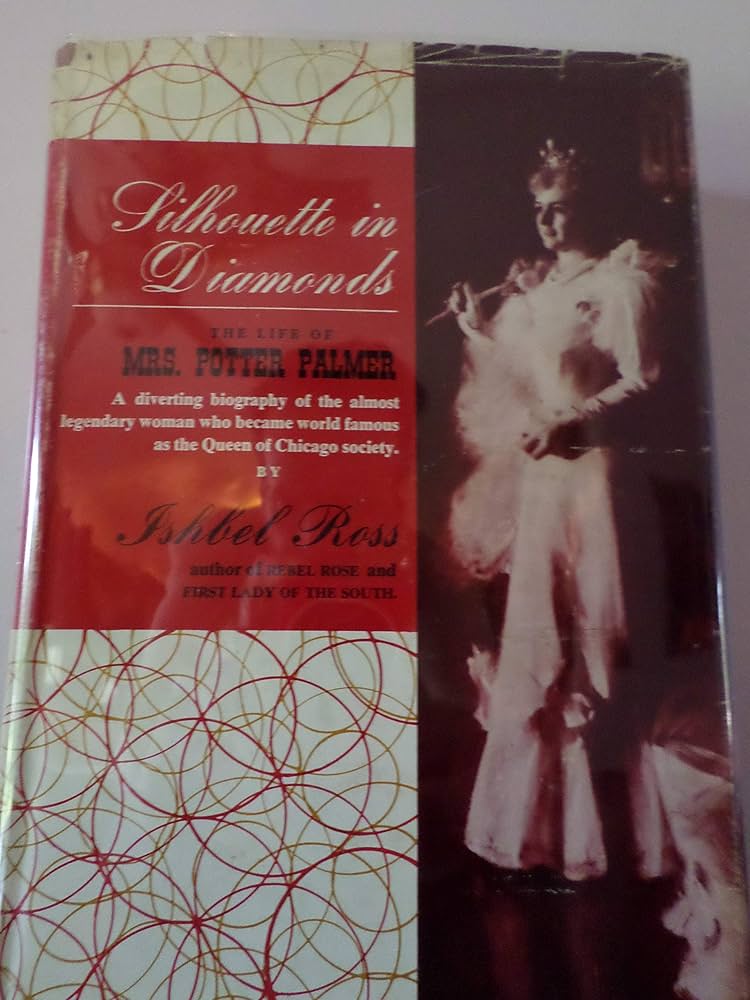
Mounted on a Pedestal: Bertha Honoré Palmer, the graduate dissertation of Hope L. Black
Letter from Mary Harris (Mother) Jones to Bertha– same goal, different roads.
Don’t use this as your only source, but you can get a quick overview of a lot of wealthy Americans from history at American Artistocracy.
History of Lake Sh…Du Sable Lake Shore Drive (change is slow.)
Chicagology has a lot on Bertha, as well as the development of the city and other prominent citizens, and areas including this piece about Ashland Boulevard, where Bertha grew up.
The Chicago History Museum is an AMAZING visit, if you’re in the city GO! Now! Or maybe at your earliest convenience. Their website has this article about the Palmer House history. You can still stay at the Palmer House Hotel (now owned by Hilton) we did on our recent Field Trip to the city, and were dazzled by her beauty. And you can still get the OG Brownie there, either on a plate or as the garnish on a Brownie Old Fashioned (if you’re over 21, of course.)
Want to learn more about the Potter Castle on Lake Shore Drive in Chicago? Start here at The Story of a House. Bonus! The site is mostly about our one of our favorite Gilded Age houses, and the childhood home of a former subject. The site is run by the fine folks who protect and share it the Glessner House (that you can also visit.)
Black participation in the 1893 World’s Fair…or rather, intentional LACK of participation inflicted by organizers.
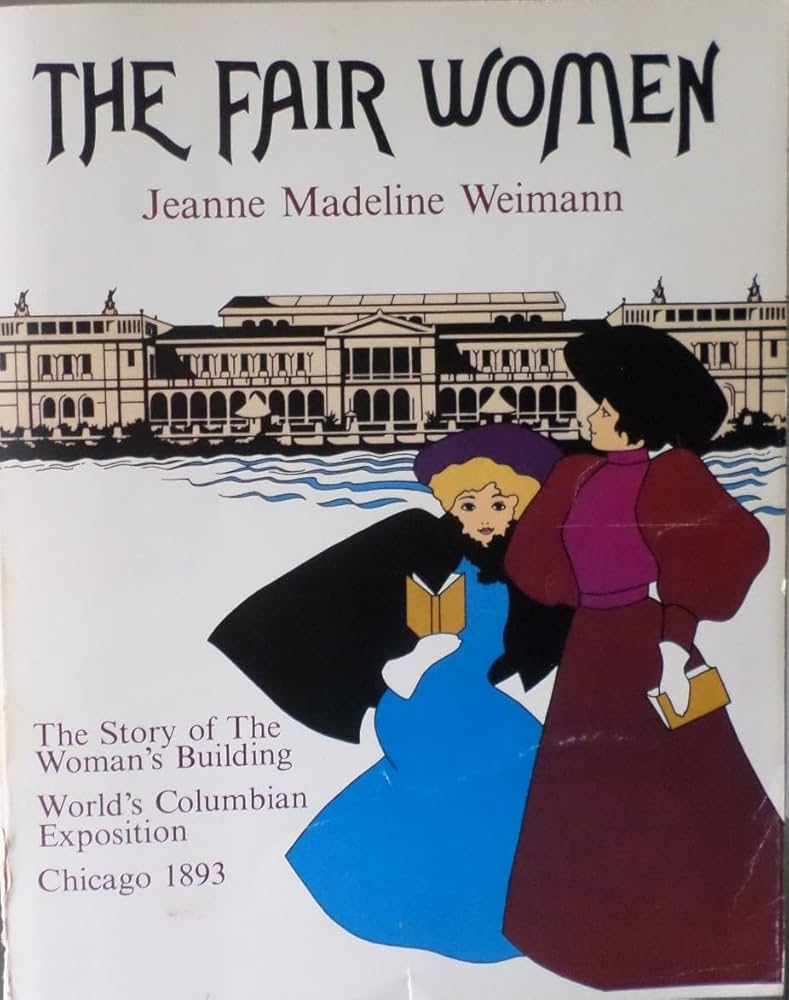
Official Catalog! The exhibits and program of the Women’s Building–this might be considered a book, it’s 150+ pages long. It is VERY cool, you might get lost in this glorious rabbit hole. Some of the thousands of pieces of art in the Women’s Building can be found at Curationist.Org
An entire website of the 1893 Chicago World’s Fair at WorldsFairChicago1893.com
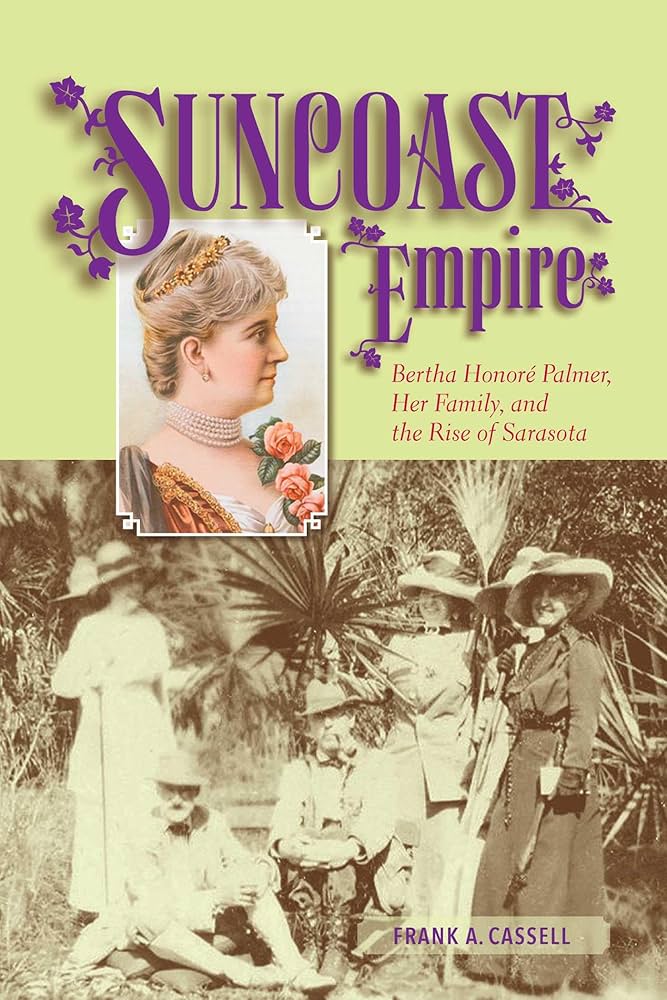
More details on Bertha’s time and impact on the Sarasota, Florida area from Visit Sarasota.
If you are in Chicago, plan a stop at the Art Institute of Chicago, and visit the paintings (mostly Impressionists) that Bertha had donated to seed their collection.
We said, “I can’t wait for you to see this” so many times, so head on over to our Pinterest Board specifically for the 1893 World’s Fair and Bertha Palmer for all of those! (We have a board for each former subject, if you are interested in tumbling down those rabbit holes.)
Moving Pictures!
PBS has a half-hour documentary about Bertha. It’s available for rent on Prime, but you can find it elsewhere.
End music: After the Ball, written by Charles K. Harris in 1892. This version is from 1925, performed by the International Novelty Orchestra.